
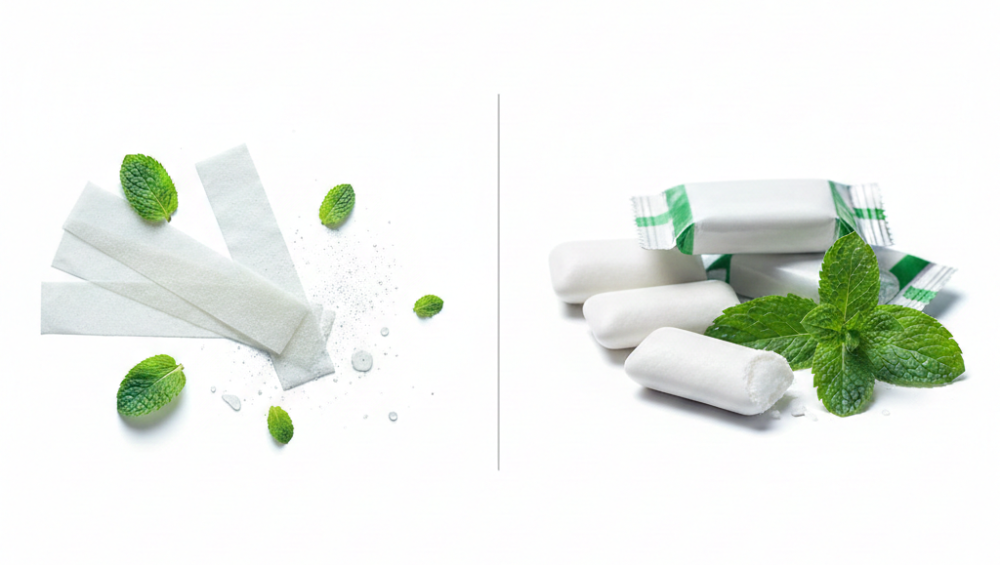
Chewing gum has long been associated with fresh breath and is often the first option people reach for after meals or during long hours away from a toothbrush. Over time, however, daily routines have changed, and newer formats such as mouth freshener strips have become more visible as alternatives. This shift has raised questions about which option actually supports better oral hygiene rather than just offering temporary freshness.
Fresh breath alone does not always indicate a clean oral environment. While both chewing gum and mouth freshener strips aim to improve how the mouth feels and smells, they work in very different ways. Understanding these differences is important, especially for people who use fresheners multiple times a day as part of their routine.
This comparison focuses on oral hygiene impact rather than habit or taste. By looking at how each option interacts with saliva, bacteria, and residue in the mouth, it becomes easier to determine which choice aligns better with long term cleanliness and daily oral care.
Understanding Oral Hygiene Beyond Fresh Breath

Oral hygiene goes beyond masking odor. It involves maintaining a balanced environment in the mouth where bacteria are managed, moisture levels are supported, and residue from food or drinks does not linger unnecessarily. A product that makes breath smell better for a short time may not always contribute positively to this balance.
Bacteria naturally live in the mouth and multiply throughout the day, especially when saliva flow drops or food particles remain on oral surfaces. Effective oral hygiene helps limit this activity and reduces the formation of odor causing compounds. Freshening products that add sugar, leave residue, or require constant use can sometimes work against this goal.
When choosing between mouth freshener strips and chewing gum, it is important to consider how each option fits into daily hygiene habits. Frequency of use, ingredient composition, and the way freshness is delivered all influence whether a product supports cleanliness or simply offers short lived relief.
How Chewing Gum Works Inside the Mouth

Chewing gum freshens breath primarily through the act of chewing. The movement of the jaw stimulates saliva production, which helps wash away some food particles and dilute odor causing compounds. As chewing continues, flavor is gradually released, creating a sense of freshness over time.
Most chewing gums contain sweeteners to enhance taste. While sugar free varieties reduce the risk associated with sugar, sweeteners can still linger in the mouth and contribute to a coated feeling with frequent use. The freshness from gum often depends on how long it is chewed, meaning results are not immediate and vary from person to person.
Extended chewing can also lead to jaw fatigue or discomfort for some users, especially when gum is used repeatedly throughout the day. Once the flavor fades, the gum itself may no longer contribute meaningfully to freshness, and improper disposal can raise additional hygiene concerns.
How Mouth Freshener Strips Work Inside the Mouth
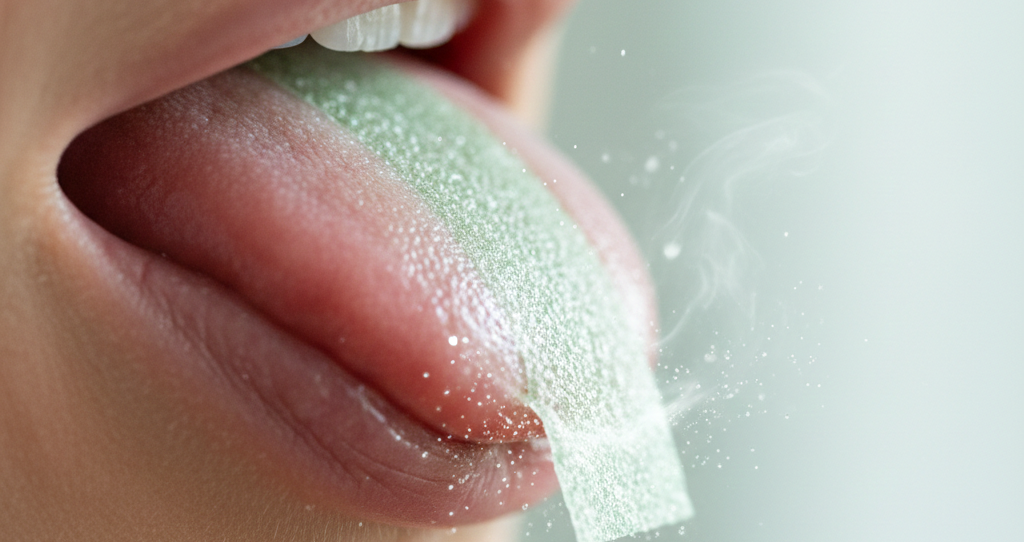
Mouth freshener strips work through fast dissolving technology that activates as soon as the strip touches the tongue. Instead of relying on chewing or prolonged use, the strip melts within seconds and spreads active ingredients evenly across the mouth. This immediate contact helps address odor causing compounds directly.
Because strips dissolve completely, they leave no physical residue behind. The even distribution across the tongue and oral surfaces creates a balanced freshness experience without concentrating flavor in one area. This design supports a cleaner mouthfeel and reduces the need for repeated use.
The absence of chewing also changes how freshness is delivered. Mouth freshener strips rely on sensory activation rather than mechanical movement, which can be more comfortable for frequent daily use.
Sugar and Ingredient Impact on Oral Health
Sugar and Sweeteners in Chewing Gum
Many chewing gums depend on sweeteners to enhance flavor and extend the chewing experience. While sugar free gums reduce cavity risk compared to sugar based options, sweeteners can still linger in the mouth. This residue may contribute to a coated feeling and encourage repeated chewing to maintain freshness.
Frequent exposure to sweeteners can also alter taste perception and reduce the effectiveness of freshness over time. In some cases, extended gum use may lead to dryness once chewing stops, which can allow odor to return.
Sugar Free Nature of Mouth Freshener Strips
Mouth freshener strips are typically sugar free and designed for short, targeted use. Because they dissolve fully, they do not leave behind sweet residue or encourage prolonged exposure. This makes them more aligned with maintaining a cleaner oral environment.
The sugar free format supports oral hygiene by reducing unnecessary bacterial feeding and limiting buildup on oral surfaces. For people who use fresheners multiple times a day, this difference becomes especially important.
Saliva Stimulation: Gum vs Strips
Chewing gum stimulates saliva through jaw movement. This increased saliva can help reduce dryness and dilute odor causing compounds while chewing continues. However, once chewing stops, saliva flow often returns to baseline levels.
Mouth freshener strips stimulate saliva through sensory activation, particularly when mint based. The cooling sensation encourages moisture production without requiring extended use. This approach offers a more balanced moisture response without jaw fatigue or prolonged chewing.
Both methods support saliva flow, but they do so in different ways. The choice depends on whether continuous stimulation or brief activation fits better into daily routines.
Convenience and Hygiene in Daily Use

Convenience plays a significant role in daily hygiene choices. Chewing gum requires disposal after use, which may not always be convenient or hygienic in professional or public settings. Repeated chewing can also become distracting during meetings or conversations.
Mouth freshener strips are discreet, silent, and easy to use. They dissolve fully and do not require disposal, making them suitable for work environments, travel, and social settings. Their compact format also makes them easier to carry without bulk.
From a hygiene perspective, strips offer a cleaner experience with fewer handling and disposal concerns compared to gum.
Situations Where Each Option Performs Better
Chewing gum may be useful during long periods of dryness when continuous saliva stimulation is needed, such as extended travel or prolonged speaking. It may also appeal to those who prefer a longer lasting flavor experience.
Mouth freshener strips perform better in situations where immediate freshness is required. Before meetings, after meals, or during short breaks, strips offer quick results without interruption. Their discreet use makes them well suited for professional and social contexts.
Rather than replacing one option entirely, understanding where each performs best helps users make practical choices.
Oral Hygiene Risks to Be Aware Of
Overusing any freshening product can lead to unintended effects. Excessive gum chewing may cause jaw discomfort or contribute to dryness once flavor fades. Sugar exposure, even in small amounts, can affect oral balance over time.
Fresheners of any type should not replace brushing, flossing, or tongue cleaning. Relying solely on masking odor can delay attention to underlying hygiene issues such as plaque buildup or gum health.
Using fresheners as a supplement rather than a substitute helps maintain better oral hygiene overall.
Why Mouth Freshener Strips Are Gaining Preference for Hygiene
Mouth freshener strips are gaining preference because they align well with modern hygiene expectations. Their clean, dissolving format avoids residue, sugar, and prolonged use. This makes them suitable for repeated daily use without compromising oral comfort.
The even distribution of freshness and quick activation provide consistent results. As people become more conscious of ingredient impact and convenience, strips offer a balanced alternative to traditional gum.
Their growing popularity reflects a shift toward freshness solutions that support hygiene rather than just habit.
How to Choose the Better Option Based on Your Routine
The better option depends on how often and where freshness is needed. People who snack frequently or move between meetings may benefit from quick, discreet options. Those who experience extended dryness may prefer occasional gum use.
Sugar conscious users may lean toward sugar free strips, while others may choose gum for longer flavor. Evaluating routine, frequency, and comfort helps ensure the choice supports both freshness and hygiene.
Why Mountainbreeze Mouth Freshener Strips Align With Better Oral Hygiene
Mountainbreeze mouth freshener strips are designed to support freshness without compromising oral hygiene. Their sugar free, fast dissolving format provides quick results while avoiding residue or prolonged exposure. This makes them suitable for regular use between brushing cycles.
The compact design allows discreet use throughout the day, whether at work, during travel, or after meals. By focusing on clean activation and convenience, mountainbreeze strips align well with daily hygiene focused routines.
Final Takeaway
Choosing between mouth freshener strips and chewing gum depends on more than habit or preference. While gum offers prolonged chewing and saliva stimulation, it may not always support cleanliness when used frequently.
Mouth freshener strips provide a cleaner, faster, and more discreet approach to freshness that fits modern routines. By understanding how each option affects oral hygiene, it becomes easier to choose the solution that best supports daily comfort and long term oral care.


