

breath strips vs sprays for fitness

Why Fitness Enthusiasts Prefer Breath Strips Over Sprays

Fitness today is more than workouts. It is community, discipline, and lifestyle. From early morning training sessions to high-intensity group classes, close interaction is part of the experience. Whether working with a trainer, spotting a partner, or attending a yoga class, confidence plays a major role. Fresh breath quietly supports that confidence.

Intense exercise changes the body in many ways, including how the mouth feels and smells. Heavy breathing, protein-rich diets, and dehydration can all affect breath quality. Because of this, many active individuals look for quick and convenient freshness solutions that align with their clean lifestyle choices.

Among the available options, breath strips are increasingly preferred over sprays. Modern, portable, and discreet, they fit naturally into gym routines without disrupting performance or comfort.

Breath Concerns During and After Workouts

Exercise affects saliva flow. During intense activity, the body redirects fluids to regulate temperature and support muscles. This can reduce saliva production, leading to dry mouth. Since saliva plays a protective role in washing away bacteria and neutralizing acids, reduced flow may increase odor.

High-protein diets, commonly followed by fitness enthusiasts, can also influence breath. Protein metabolism and low-carb regimens may contribute to stronger breath changes, particularly in ketogenic meal plans. Pre-workout supplements, protein shakes, and black coffee before training can further intensify the effect.

Dehydration compounds the issue. Even mild fluid loss can slow saliva production, allowing odor-causing bacteria to become more active. This is why breath concerns may feel more noticeable after cardio sessions or long training blocks.

For individuals seeking a gym-friendly solution that complements hydration and oral hygiene, premium breath strips available at https://mountainbreeze.in/ offer a lightweight and practical freshness option that supports an active routine.

What Are Breath Strips and How They Work

Breath strips are ultra-thin dissolvable films designed to melt instantly on the tongue. Once placed in the mouth, they activate with saliva and release refreshing ingredients such as menthol or peppermint oil. The effect is immediate, providing a clean sensation within seconds.

Most high-quality breath strips are sugar-free and calorie-free, making them ideal for individuals who track nutrition closely. They require no chewing, no water, and no rinsing. This makes them especially convenient during workouts or between training sessions.

Unlike gum, they do not require continuous chewing. Unlike sprays, they do not create a mist or require multiple pumps. Their design is discreet, compact, and aligned with a minimal lifestyle.

What Are Breath Sprays and How They Work

Breath sprays deliver a liquid formula directly into the mouth through a nozzle. They typically contain flavoring agents, and some formulas include alcohol. The spray quickly masks odor by coating the mouth with a strong mint sensation.

While effective in the short term, sprays may present minor inconveniences. Alcohol-based formulas can contribute to dryness, which may worsen breath concerns during extended training. Liquid packaging also introduces the possibility of leakage in gym bags.

Although sprays offer instant impact, their practicality during workouts may not always match the needs of active individuals who prefer subtle and quick solutions.

Key Reasons Fitness Enthusiasts Prefer Breath Strips

Convenience During Workouts

Breath strips are compact and lightweight. They slip easily into a pocket, gym bag compartment, or wallet. There is no risk of leakage, no cap to manage, and no liquid restrictions during travel.

For those looking to shop sugar-free breath strips that align with training routines, the collection available at https://mountainbreeze.in/shop/ offers options designed for everyday freshness.

Discreet Usage

Using a breath strip takes only a second and draws no attention. There is no visible mist and no strong spray sound. In shared fitness spaces, subtlety matters.

No Alcohol-Related Dryness

Some sprays contain alcohol, which may temporarily intensify dryness. Since workouts already reduce saliva flow, additional dryness can amplify odor concerns. Breath strips generally avoid this issue, making them more compatible with post-exercise conditions.

Sugar-Free and Calorie-Free

Fitness enthusiasts are mindful of ingredient labels. Breath strips typically contain no sugar and negligible calories, supporting nutrition goals without compromise.

Hygienic and Contact-Free

Spray nozzles may come into repeated contact with the mouth. Breath strips, individually dispensed, reduce contamination concerns and feel cleaner in shared environments.

Breath Strips vs Sprays: Side-by-Side Comparison

Speed of Action
Both provide quick freshness, but strips dissolve instantly without repeated pumping.

Portability
Strips are lighter and less bulky, making them easier to carry.

Hygiene
Strips reduce repeated surface contact compared to spray nozzles.

Impact on Dry Mouth
Strips typically avoid alcohol-related dryness.

Gym Suitability
Strips offer discreet and silent usage, better suited for fitness settings.

This practical comparison explains why many active individuals lean toward strips for everyday use.

When Sprays May Still Be Useful

Sprays may be helpful when a stronger immediate mint sensation is preferred. Some individuals may favor liquid coverage for personal reasons. As with most lifestyle products, preference plays a role.

Balanced decision-making depends on context. However, in high-movement, sweat-intensive environments, portability and simplicity often win.

Choosing the Right Freshness Solution for an Active Lifestyle

Ingredient awareness is essential. Choosing sugar-free options supports oral health and aligns with clean eating goals. Avoiding harsh additives helps maintain oral balance, especially during heavy training cycles.

Understanding the brand’s commitment to clean and modern freshness solutions can build additional trust. Readers interested in the philosophy behind the products can learn about our freshness approach at https://mountainbreeze.in/about-us/.

Moderation also matters. Freshness products complement brushing, flossing, hydration, and regular dental care rather than replace them.

For additional oral wellness insights and lifestyle tips, you can explore more breath care articles at https://mountainbreeze.in/blog/.

Building a Fitness-Friendly Fresh Breath Routine

Hydration remains the foundation. Drinking water consistently during workouts supports saliva production and reduces dryness.

Balanced high-protein diets can be paired with regular brushing and tongue cleaning. Cleaning the tongue is especially helpful since bacteria tend to accumulate there.

Keeping a strip handy for post-workout social interactions adds an extra layer of confidence. If detailed questions arise about product usage, readers can visit the dedicated information section at https://mountainbreeze.in/faq/.

Gyms, wellness studios, and retailers interested in offering freshness solutions to members may explore partnership opportunities through https://mountainbreeze.in/trade-enquiry/.

Frequently Asked Questions

Do breath strips last longer than sprays
Both offer temporary freshness. Longevity depends on individual habits and hydration levels.

Are breath strips safe for daily gym use
Sugar-free strips are generally suitable when used as part of a broader oral hygiene routine.

Can sprays cause dry mouth
Alcohol-based sprays may increase dryness for some individuals.

Are breath strips suitable during fasting or keto diets
Since they are typically sugar-free and low-calorie, they align well with structured nutrition plans.

Which option is more hygienic
Individually dispensed strips often reduce repeated contact compared to spray nozzles.

If further guidance is needed, you can contact our team directly at https://mountainbreeze.in/contact-page/.

A Smarter Choice for Active Lifestyles

Fresh breath supports confidence, especially in close-contact fitness environments. Heavy breathing, high-protein diets, and dehydration can all affect oral freshness during training. Breath strips provide a discreet, sugar-free, and portable solution that integrates seamlessly into active routines.

While sprays remain an option, many fitness enthusiasts prefer the simplicity, hygiene, and convenience of strips. Combined with hydration, balanced nutrition, and proper oral hygiene, they offer a practical and modern way to stay fresh throughout every workout and beyond.
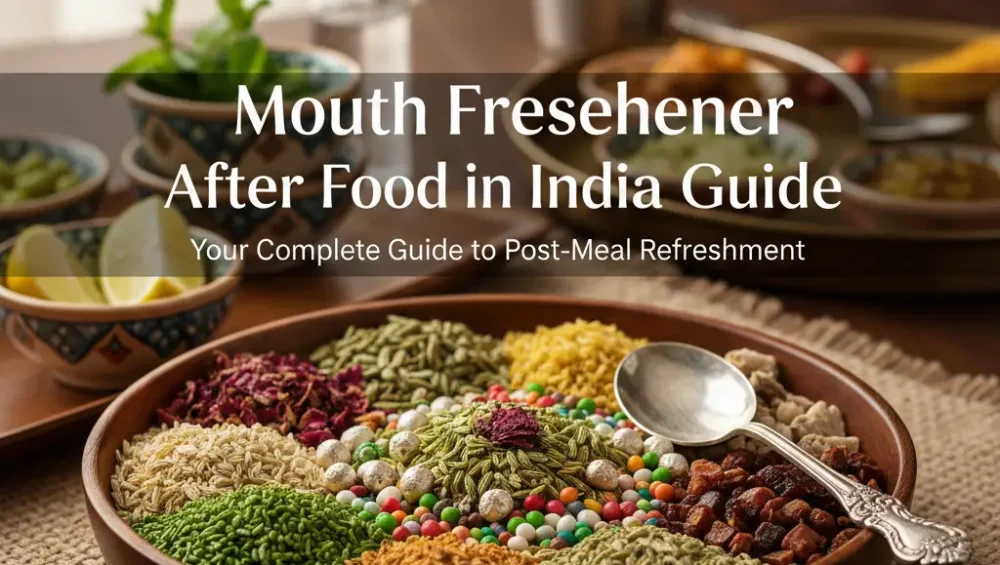

Mouth Freshener After Food in India Guide

Mouth Freshener After Food in India Guide

In India, finishing a meal often ends with something aromatic and refreshing. Whether at home, in restaurants, at weddings, or during festive gatherings, offering a mouth freshener after food is a familiar ritual. This tradition is not only about taste but also about comfort, digestion, and social confidence.

Indian meals are rich in spices, onions, garlic, dairy, and strong flavors. While these ingredients create depth and satisfaction, they can also leave behind lingering odors. Tea and coffee consumed after meals further intensify this effect. As a result, many people look for a quick way to reset their breath immediately after eating.

Using a mouth freshener after food in India is not a sign of poor hygiene. It is a practical habit shaped by culinary culture and social interaction. From traditional mukhwas to modern sugar free strips, the goal remains the same: to restore freshness and feel comfortable in conversations that follow.

What Mouth Freshener After Food Means in India

The concept of a mouth freshener after food in India has deep cultural roots. Traditionally, small bowls of mukhwas are placed on dining tables. These mixtures often contain fennel seeds, cardamom, coriander seeds, sesame, coconut flakes, or sugar coated blends. Guests are encouraged to take a small portion after finishing their meal.

Historically, these ingredients were chosen not only for aroma but also for digestive comfort. Fennel and cardamom, for example, are commonly associated with soothing the stomach and reducing heaviness after rich meals. The refreshing taste helps cleanse the palate and remove strong aftertastes.

Over time, this custom evolved beyond homemade blends. Packaged mukhwas, flavored variants, chewing gums, mints, and more recently instant dissolving strips became widely available. Today, the idea of a mouth freshener after food in India includes both traditional and modern formats. The purpose remains consistent, but the delivery has adapted to faster lifestyles and urban routines.

Common Ingredients in Indian After Food Fresheners and How They Work

Indian after food fresheners are built around aromatic seeds and cooling agents. Each ingredient contributes in a specific way.

Fennel seeds, known as saunf, are one of the most common components. Their natural sweetness and mild aroma help neutralize strong food odors. Chewing fennel also stimulates saliva, which naturally cleanses the mouth.

Cardamom, or elaichi, offers a strong fragrance that quickly masks lingering smells from onions or garlic. Its essential oils create a pleasant cooling effect that refreshes the breath.

Coriander seeds and sesame seeds are sometimes included for texture and subtle aroma. Ajwain may be added in certain regional mixes, especially after heavy or oily meals, due to its digestive associations.

Modern fresheners often include mint extracts or menthol. Mint provides an immediate cooling sensation by activating cold receptors in the mouth. This sensory effect makes breath feel cleaner and lighter within seconds.

However, many commercially available mukhwas mixes contain sugar or glazed coatings. While these improve taste, frequent use of sugary options may encourage bacterial activity in the mouth. For this reason, sugar free variants and instant dissolving strips are becoming more popular among health conscious consumers.

Understanding how these ingredients function helps in choosing the right mouth freshener after food based on personal preference, dietary habits, and oral hygiene priorities.

Types of After Food Mouth Fresheners Available in India

The Indian market offers a wide variety of options for those looking for a mouth freshener after food. Each type serves a slightly different purpose depending on convenience, taste preference, and lifestyle.

Traditional mukhwas mixes remain widely used in homes and restaurants. These are usually seed based blends that may be plain or lightly sweetened. They are commonly consumed in small quantities after lunch or dinner and are associated with both freshness and digestive comfort.

Chewing gums and hard mints are also popular, especially in urban settings. They provide gradual flavor release and stimulate saliva through chewing. However, they may not always be discreet in professional environments.

Mouth sprays offer quick application and are easy to carry. They deliver an instant burst of flavor but may fade quickly if dryness or strong food residues remain in the mouth.

Instant dissolving mouth freshener strips have gained attention in recent years. These thin films dissolve directly on the tongue within seconds and spread evenly across the mouth. Their compact size makes them convenient for work, travel, or social situations where chewing gum may not feel appropriate.

With growing awareness around sugar intake, many consumers now look for sugar free variants across all formats. The choice depends largely on how frequently the freshener will be used and in what setting.

Benefits People Expect from a Mouth Freshener After Food

After completing a meal, most people look for three primary benefits from a mouth freshener: freshness, palate cleansing, and comfort.

The first expectation is immediate breath reset. Indian meals often include garlic, onion, spices, and rich gravies that leave a strong aftertaste. A mouth freshener helps neutralize these lingering flavors and restore a cleaner breath profile.

The second benefit is palate cleansing. Strong spices can coat the tongue and inner cheeks. Aromatic seeds or mint based fresheners help refresh the mouth and reduce heaviness in taste. This is particularly useful before returning to work, attending meetings, or engaging in conversations.

The third benefit is digestive comfort. While a mouth freshener is not a medical treatment, certain traditional ingredients like fennel and cardamom are associated with soothing effects after heavy meals. The act of chewing also stimulates saliva, which supports natural oral cleansing.

Beyond physical benefits, there is also a social element. Fresh breath contributes to confidence, especially in close interactions. In India’s social culture where hospitality and conversation are central, this small post meal habit plays a practical role in daily life.

How to Choose the Right Mouth Freshener After Food in India

Selecting the right mouth freshener after food depends on routine and frequency of use. A person who eats out frequently or attends office meetings may prefer fast acting and discreet formats. Instant dissolving strips or sugar free options can fit easily into such routines.

For those who enjoy traditional habits at home, plain fennel or cardamom based mixes may feel more natural. Choosing versions without heavy sugar coatings helps balance taste and oral hygiene.

If meals are often spicy or aromatic, mint based fresheners may provide stronger neutralization. If digestive comfort is the main concern, seed based blends may feel more suitable.

Health awareness also matters. Checking ingredient labels for sugar content and unnecessary additives helps avoid repeated exposure to sweetened coatings. Sugar free options are generally better suited for frequent use throughout the day.

Ultimately, the best mouth freshener after food in India is one that aligns with daily habits, dietary choices, and comfort level. The goal is not to replace brushing but to bridge the gap between meals and routine oral care.

How to Read Labels and Avoid Hidden Sugars

When buying a mouth freshener after food in India, reading the ingredient list is important. Many packaged mukhwas mixes look natural but contain added sugar, glazing agents, artificial colors, or flavor enhancers. These ingredients improve taste and appearance but may not always support long term oral hygiene.

Look for simple ingredient lists. Plain fennel, cardamom, coriander seeds, mint extracts, or essential oils indicate a more straightforward formulation. If sugar appears as one of the first ingredients, it means the product contains a significant amount.

Some products use alternative sweeteners such as sorbitol or xylitol. While these are different from regular sugar, it is still useful to check how frequently the product will be used. Repeated exposure to sweetened coatings may affect oral balance over time.

Checking for proper packaging details and food safety licensing adds an extra layer of assurance. Transparent labeling allows consumers to make choices based on their health preferences rather than marketing claims.

Safety and Oral Health Considerations

While a mouth freshener after food in India is a common and practical habit, certain precautions help maintain oral health.

Frequent use of sugary mukhwas or candies can increase the risk of plaque buildup if proper brushing and flossing are not maintained. Choosing sugar free options or seed based blends without coatings helps reduce this concern.

It is also important to avoid mixes that contain areca nut or tobacco based ingredients. These are sometimes included in paan style fresheners and carry long term health risks. Opting for clean, food grade, non tobacco alternatives supports safer daily use.

If bad breath persists even after using a mouth freshener, it may indicate underlying dental issues such as cavities, gum inflammation, or dryness. In such cases, professional consultation is more effective than repeated masking.

Mouth fresheners are designed to support freshness between brushing cycles, not replace regular oral hygiene. Using them responsibly ensures they remain a helpful addition rather than a substitute.

Buying Tips for Mouth Freshener After Food Online in India

Online shopping has made it easier to explore different types of mouth fresheners. However, comparing products thoughtfully improves the buying experience.

Start by identifying the purpose. If immediate freshness is required after meals at work or during travel, compact dissolving strips may be practical. If the preference leans toward traditional flavors, seed based blends may feel more suitable for home use.

Check product descriptions for sugar free claims, ingredient transparency, and portion size. Smaller portable packs may work better for carrying in bags or pockets. Reading customer reviews can provide insight into flavor strength and freshness duration.

Avoid being influenced solely by packaging design. Focus on ingredient quality, convenience, and how the format fits into daily habits. Selecting a mouth freshener after food should feel like a natural extension of routine rather than an impulse purchase.

Why Modern Formats Are Growing in Popularity

While traditional mukhwas continues to hold cultural value, modern formats are steadily gaining preference in India. Busy schedules, office environments, and travel routines require quicker and more discreet solutions.

Instant dissolving strips and sugar free mint fresheners align well with contemporary lifestyles. They activate quickly, require no chewing, and leave no residue behind. This convenience appeals especially to urban consumers who need freshness without interruption.

The shift does not replace tradition but adds flexibility. Many people now keep seed based fresheners at home while carrying instant formats during the day. This balanced approach reflects how Indian habits evolve while preserving familiar customs.

Final Takeaway

A mouth freshener after food in India is more than a casual habit. It is a blend of tradition, practicality, and social comfort shaped by rich culinary culture. From fennel and cardamom mixes to modern sugar free strips, each format serves a specific purpose.

Choosing the right option depends on daily routine, eating habits, and health preferences. By understanding ingredients, checking labels, and aligning freshness solutions with lifestyle needs, it becomes easier to maintain comfort and confidence after every meal.

When used thoughtfully alongside regular brushing and flossing, a mouth freshener after food remains a simple yet effective way to feel refreshed throughout the day.

late night snacking and breath health

Late Night Snacking and Its Impact on Breath Health

Late night snacking has quietly become part of modern routines. Long work hours, screen time, irregular schedules, and stress often push meals later into the evening. Many people reach for quick bites before bed without considering how this small habit affects overall oral health.

While an occasional snack may seem harmless, repeated nighttime eating can influence breath quality more than daytime meals. The mouth functions differently at night. Saliva production slows down, and the natural cleansing process weakens. When food particles remain in the mouth during this period, bacteria have more time to break them down and release odor-causing compounds.

Understanding this connection is important for anyone focused on maintaining fresh breath. Timing of meals can be just as influential as food choices themselves.

How Nighttime Eating Affects Oral Biology

The oral environment changes significantly as the body prepares for sleep. During the day, saliva continuously washes away food debris and neutralizes acids. At night, saliva flow naturally decreases. This creates a drier environment where bacteria can multiply more easily.

When late night snacks leave behind sugars or starches, oral bacteria begin breaking them down. This process produces volatile sulfur compounds, which are primarily responsible for unpleasant breath odors. Without adequate saliva to dilute or rinse these byproducts, the smell can become more noticeable by morning.

Acid production is another concern. As bacteria digest carbohydrates, acids are released that temporarily lower the pH level in the mouth. With limited saliva to buffer this acidity, enamel may be exposed to longer acid contact. Over time, this contributes not only to tooth sensitivity and decay but also to persistent breath concerns.

The biological shift at night explains why the same snack may have a greater impact before bed than during the day.

Research Insights: Late Night Eating and Oral Health

Studies examining eating patterns and oral hygiene behaviors suggest that frequent nocturnal snacking is linked to higher plaque accumulation and increased risk of cavities. When food intake occurs close to bedtime without brushing afterward, bacteria remain active for extended hours.

Research also indicates that individuals who snack regularly at night are more likely to experience dry mouth symptoms. Reduced saliva combined with lingering food particles creates ideal conditions for odor formation. Over time, this pattern may contribute to gum irritation, enamel erosion, and chronic bad breath.

Although occasional late eating may not cause immediate harm, repeated exposure without proper nighttime oral care increases the likelihood of breath-related issues. Recognizing these research-backed insights allows for better decisions around meal timing and oral hygiene routines.

Why Late Night Snacking Makes Breath Worse Than Daytime Eating

Breath often feels noticeably heavier in the morning compared to after daytime meals. The reason lies in how the mouth behaves during sleep. Saliva production drops significantly at night, reducing the natural cleansing and antibacterial support it normally provides. Without this protective flow, odor-causing bacteria multiply more freely.

When a snack is consumed late and brushing does not follow, food particles remain trapped between teeth and along the tongue’s surface for hours. During the day, speaking, drinking water, and swallowing help clear debris. At night, these activities slow down or stop entirely, giving bacteria uninterrupted time to break down sugars and proteins.

Carbohydrates and sugary foods intensify the problem. They serve as fuel for bacteria, which release acids and sulfur compounds as byproducts. Since there is limited saliva to buffer these acids, the mouth becomes a more favorable environment for both odor and enamel stress. This is why late night snacking often has a stronger and longer-lasting impact on breath compared to daytime eating.

Worst Late Night Snack Choices for Breath and Teeth

Certain snack choices can worsen breath and increase oral health risks when eaten before bed.

Sugary treats and desserts such as chocolates, pastries, and candies provide direct fuel for bacteria. The longer sugar remains on teeth overnight, the more acids are produced.

Sticky foods like caramel, dried fruits, or chewy snacks cling to enamel and are harder to remove without brushing. Their prolonged contact increases both odor and cavity risk.

Refined starches including chips and crackers break down into simple sugars in the mouth. These particles can lodge between teeth and continue feeding bacteria for hours.

Acidic beverages like soft drinks or flavored juices further lower oral pH. Combined with reduced saliva at night, this creates an environment that supports enamel weakening and unpleasant breath.

Limiting these choices late in the evening can significantly reduce overnight odor buildup.

Healthier Alternatives When You Must Snack

Sometimes hunger late at night is unavoidable. Choosing smarter options can reduce the impact on breath health.

Raw vegetables such as cucumber or carrots stimulate saliva and help mechanically clean teeth surfaces. Their low sugar content makes them safer before bedtime.

Cheese or plain yogurt may help neutralize acids due to their calcium and protein content. These foods are less likely to feed odor-producing bacteria compared to sugary snacks.

Unsweetened nuts in small portions are less adhesive than sticky sweets and do not dissolve into sugars as quickly as refined carbohydrates.

Water remains the simplest protective measure. Drinking water after a snack helps rinse away loose food particles and supports saliva function.

Even when healthier choices are made, brushing before bed remains essential. Pairing mindful snack selection with proper nighttime oral hygiene supports fresher breath by morning.

Nighttime Oral Hygiene Practices That Protect Breath

A consistent bedtime routine plays a critical role in controlling breath quality. Brushing thoroughly before sleep removes plaque and food debris that bacteria rely on overnight. Using fluoride toothpaste supports enamel strength while reducing acid-related damage.

Flossing is equally important. Many odor-causing particles settle between teeth where a toothbrush cannot reach. Cleaning these areas prevents bacteria from breaking down trapped food for hours during sleep.

Tongue cleaning often gets overlooked. The tongue’s textured surface can hold a significant amount of odor-producing bacteria. Gently cleaning it before bed reduces the buildup that contributes to morning breath.

If brushing immediately after a late snack is not possible, rinsing with water can offer temporary relief by loosening debris. However, a complete brushing routine before sleep remains the most effective protection.

Tips to Break the Late Night Snacking Habit

Reducing late night eating can significantly improve both breath freshness and overall oral health. Small routine adjustments often create lasting results.

Start by eating balanced meals earlier in the day. Meals rich in fiber, protein, and healthy fats promote satiety and reduce nighttime cravings. Many late snacks are driven by habit rather than genuine hunger.

Staying hydrated throughout the evening can also support better control. Thirst is sometimes mistaken for hunger, and drinking water may eliminate unnecessary snacking urges.

Creating a structured bedtime routine signals that eating time is over. Brushing teeth earlier in the evening can serve as a psychological cue to avoid additional food intake. If occasional freshness support is needed before bed, you can explore sugar-free options in the mouth fresheners collection at https://mountainbreeze.in/shop/ designed for convenient daily use.

Limiting screen time before sleep may further reduce mindless snacking, as distracted eating often leads to unnecessary sugar consumption.

Breaking the pattern gradually, rather than abruptly, makes the habit easier to manage long term. For readers who want to understand the philosophy behind clean, mindful freshness solutions, you can learn more about the brand’s approach on the About Us page at https://mountainbreeze.in/about-us/.

When to Consult a Dental Professional

Occasional morning breath is normal. However, persistent bad breath despite good hygiene and mindful eating may indicate an underlying issue.

Chronic halitosis can be linked to gum disease, untreated cavities, dry mouth conditions, or plaque accumulation beneath the gumline. These concerns require professional evaluation rather than temporary solutions.

If symptoms such as bleeding gums, tooth sensitivity, or consistent unpleasant taste accompany bad breath, scheduling a dental checkup becomes important. Early detection prevents more serious complications and helps restore oral balance.

If you have specific product-related questions or need personalized assistance regarding freshness solutions, you can reach out directly through the contact page at https://mountainbreeze.in/contact-page/. Professional guidance ensures that breath concerns are addressed at their root rather than repeatedly masked.

Frequently Asked Questions About Late Night Snacking and Breath

Does eating close to bedtime always cause bad breath?
Not always, but it increases the likelihood, especially if brushing does not follow and sugary or starchy foods are consumed.

Can drinking water after a late snack prevent breath issues?
Water helps rinse away loose particles and supports saliva function, but it does not replace brushing and flossing.

Is brushing twice at night necessary if snacking late?
Brushing once thoroughly before sleep is essential. If a snack occurs after brushing, cleaning teeth again is recommended.

Are sugar-free snacks safe before bed?
They are generally better than sugary options, yet any food left overnight can still contribute to bacterial growth.

Why is morning breath stronger after late snacking?
Reduced saliva flow during sleep allows bacteria to break down leftover food for extended periods, producing odor-causing compounds.

Better Timing for Better Breath

Late night snacking may seem harmless, yet it can significantly influence breath health due to reduced saliva flow and prolonged bacterial activity during sleep. Choosing smarter foods, maintaining consistent nighttime hygiene, and adjusting eating patterns can dramatically reduce overnight odor buildup. Small timing changes often lead to noticeable improvements in freshness and overall oral comfort.

Breath Strips Complement a Healthy Diet for Fresher Breath

How Breath Strips Complement a Healthy Diet for Fresher Breath

Fresh breath begins with what goes on the plate. Every meal influences the way breath smells, either supporting oral freshness or contributing to lingering odor. Strong ingredients like garlic, onions, certain spices, and even coffee release compounds that travel through the bloodstream and lungs, affecting breath long after eating. At the same time, leftover food particles in the mouth provide fuel for odor-producing bacteria.

A balanced, nutrient-rich diet can significantly reduce bad breath by limiting excess sugar, supporting saliva production, and promoting a healthier oral environment. Crunchy vegetables, probiotic foods, and proper hydration all play a direct role in keeping the mouth naturally fresh. However, even the healthiest diet cannot fully prevent post-meal odor in every situation.

This is where breath strips fit naturally into the equation. Rather than replacing healthy habits, they serve as a practical complement, offering quick freshness when brushing is not immediately possible. When used correctly, breath strips and a healthy diet work together to maintain both confidence and oral comfort throughout the day.

How Diet Impacts Breath at a Biological Level

Understanding how food affects breath requires looking at what happens inside the mouth after eating. The oral cavity contains millions of bacteria. When food particles remain on teeth, gums, or the tongue, these bacteria break them down. During this process, volatile sulfur compounds are released, which are largely responsible for unpleasant odors.

Certain foods are more likely to trigger noticeable breath changes. Garlic and onions contain sulfur compounds that enter the bloodstream after digestion and are expelled through the lungs. High-protein or low-carbohydrate diets may lead to what is commonly known as keto breath, caused by the release of ketones. Sugary foods, meanwhile, feed bacteria that produce acid and odor as byproducts.

Saliva plays a critical protective role. It washes away debris and helps maintain a balanced oral pH. Dehydration reduces saliva flow, creating a dry environment where odor-causing bacteria can thrive. This explains why bad breath often worsens in the morning or during long periods without water.

A healthy diet supports saliva production, limits excessive bacterial growth, and reduces the intensity of odor-forming compounds. Still, biological processes continue between meals, which is why additional freshness support can be helpful.

Foods That Naturally Support Fresh Breath

Some foods actively contribute to cleaner, fresher breath by supporting oral balance.

Crunchy fruits and vegetables such as apples, carrots, and celery stimulate saliva production and help mechanically clean the surface of teeth. Their fiber content also encourages chewing, which naturally increases saliva flow.

Fresh herbs like mint and parsley contain natural aromatic oils that temporarily mask odors while also offering mild antibacterial properties.

Yogurt with live cultures may help reduce odor-causing bacteria in the mouth when consumed regularly, thanks to beneficial probiotics.

Green tea contains polyphenols that can help limit bacterial growth and reduce volatile sulfur compounds.

Water remains the most important element. Proper hydration maintains saliva flow, rinses away food debris, and keeps the oral environment stable.

While these dietary choices form the foundation of fresher breath, they do not always eliminate odor instantly, especially after strong meals or in social settings. Combining smart food choices with a convenient freshness solution like breath strips creates a more complete approach to maintaining confidence throughout the day.

Where Diet Falls Short in Controlling Breath

Even the most balanced eating pattern cannot fully eliminate breath concerns. Food particles often remain trapped between teeth or along the gumline, especially after meals eaten quickly or outside the home. These particles continue to break down, allowing bacteria to release odor long after digestion has begun.

The tongue also plays a major role. Its textured surface can hold bacteria and debris that are not removed by food alone. Acidic meals may temporarily disrupt oral pH balance, creating an environment where odor-producing microbes become more active. Morning breath is another example, largely caused by reduced saliva flow overnight rather than poor diet.

Professional settings, travel, meetings, or social gatherings rarely allow immediate brushing. In such moments, relying on diet alone is not always practical. A healthy eating routine forms the base, but it may not deliver instant freshness when it is most needed.

What Are Breath Strips and How Do They Work

Breath strips are ultra-thin, fast-dissolving films designed to melt on the tongue within seconds. Once placed in the mouth, saliva activates the strip, releasing flavoring agents such as menthol or peppermint oil. These ingredients provide immediate freshness by neutralizing odor and leaving a clean sensation.

Most modern breath strips are sugar-free, which helps avoid feeding bacteria that contribute to cavities and bad breath. Unlike chewing gum, they do not require continuous chewing. Unlike mints, they add no bulk or calories. The discreet format makes them easy to carry and use anytime.

It is important to understand that breath strips primarily address odor at the surface level. They freshen breath quickly but do not replace brushing, flossing, or tongue cleaning. Their strength lies in convenience and immediate effect, particularly after meals when brushing is not possible.

How Breath Strips Complement a Healthy Diet

A nutritious diet supports long-term oral balance, while breath strips provide short-term freshness. Together, they create a more complete approach to breath care. After eating foods like garlic, onions, coffee, or heavily spiced dishes, odor can linger even when the meal itself is healthy. Breath strips offer a rapid solution during this window.

They are especially useful during busy workdays, travel, social events, or business meetings. Instead of reaching for sugary candies, a sugar-free breath strip delivers freshness without compromising oral health goals. This makes them a practical companion to a mindful diet.

When hydration, balanced meals, and proper oral hygiene are already part of daily habits, breath strips function as a supportive tool rather than a substitute. They enhance confidence and comfort while the foundational elements of diet and oral care continue working beneath the surface.

Breath Strips vs Other Freshness Options

When comparing breath strips with other quick-fix options, the differences become clear.

Breath strips vs chewing gum
Chewing gum stimulates saliva, which can help rinse away food particles. However, constant chewing is not always appropriate in professional or formal environments. Some gums also contain sugar, which may contribute to plaque buildup. Breath strips dissolve instantly without ongoing chewing and are typically calorie-free.

Breath strips vs mints
Traditional mints take longer to dissolve and may contain sugar or artificial sweeteners in higher quantities. They mainly mask odor rather than addressing freshness quickly. Breath strips act faster and leave no residue.

Breath strips vs mouthwash
Mouthwash can reach deeper areas of the mouth and may contain antibacterial agents. However, it requires access to a sink and is not portable for immediate use after meals outside the home. Breath strips provide convenience and discretion, though they are not a substitute for full oral hygiene.

For everyday practicality, breath strips offer speed, portability, and ease, especially when paired with a healthy diet and consistent dental care.

Choosing the Right Breath Strips for Daily Use

Not all breath strips are created equal. Selecting the right option can support both freshness and oral health.

Look for sugar-free formulas
Sugar can feed bacteria and worsen oral odor over time. A sugar-free product supports a healthier oral environment.

Check the ingredient list
Menthol, peppermint oil, or natural flavoring agents are commonly used. Avoid products with excessive artificial additives if possible.

Limit overuse
While safe for regular use, breath strips should complement brushing and flossing rather than replace them. Excessive reliance on any freshness product without proper hygiene may mask underlying dental concerns.

Be mindful of sensitivities
Individuals with dry mouth or oral sensitivity should pay attention to how the product feels. If persistent bad breath continues despite good hygiene and diet, consulting a dental professional is advisable.

Choosing wisely ensures breath strips enhance, rather than compromise, a healthy routine.

Building a Complete Fresh-Breath Routine

Long-lasting freshness comes from a layered approach.

A balanced diet rich in fiber, probiotics, and water supports saliva production and limits odor-causing bacteria. Proper hydration keeps the mouth from becoming dry. Brushing twice daily, flossing, and cleaning the tongue remove food debris and bacterial buildup that diet alone cannot eliminate.

Regular dental checkups help identify underlying causes such as gum disease or cavities, which can contribute to chronic bad breath. Breath strips fit naturally into this routine as a convenient addition for moments between brushing sessions.

By combining mindful eating, consistent oral care, and on-the-go freshness support, it becomes easier to maintain confidence throughout the day.

Common Questions About Breath Strips and Diet

Do breath strips kill bacteria?
Most breath strips primarily mask odor and freshen breath rather than eliminate bacteria at the source.

Can breath strips replace brushing?
No. They offer temporary freshness but do not remove plaque, food debris, or tartar.

Are breath strips safe for daily use?
Sugar-free breath strips are generally safe when used as directed and as part of a balanced oral hygiene routine.

Do breath strips help with keto breath?
They can temporarily mask the odor associated with ketone release, though dietary adjustments may also help manage it.

Are breath strips suitable for children?
Usage depends on age and product formulation. Supervision and label guidance are recommended.

A Smarter Way to Stay Fresh

A healthy diet lays the groundwork for naturally fresher breath. Breath strips provide immediate support when daily life demands quick solutions. Together, they create a balanced strategy that supports oral comfort, confidence, and overall wellness without replacing the essentials of good dental care. To explore premium mouth fresheners, you can browse the collection at https://mountainbreeze.in/ and discover convenient options designed for everyday freshness.