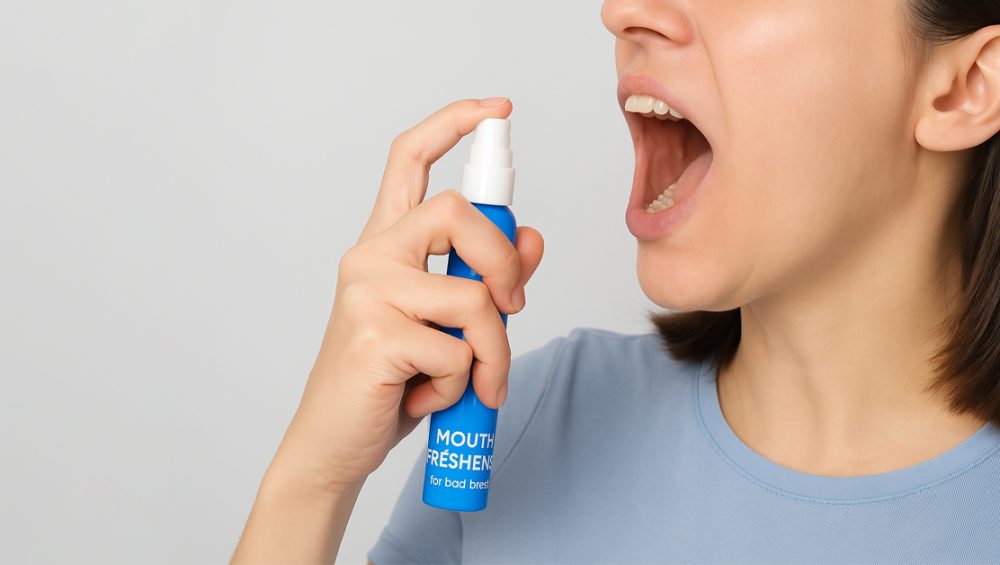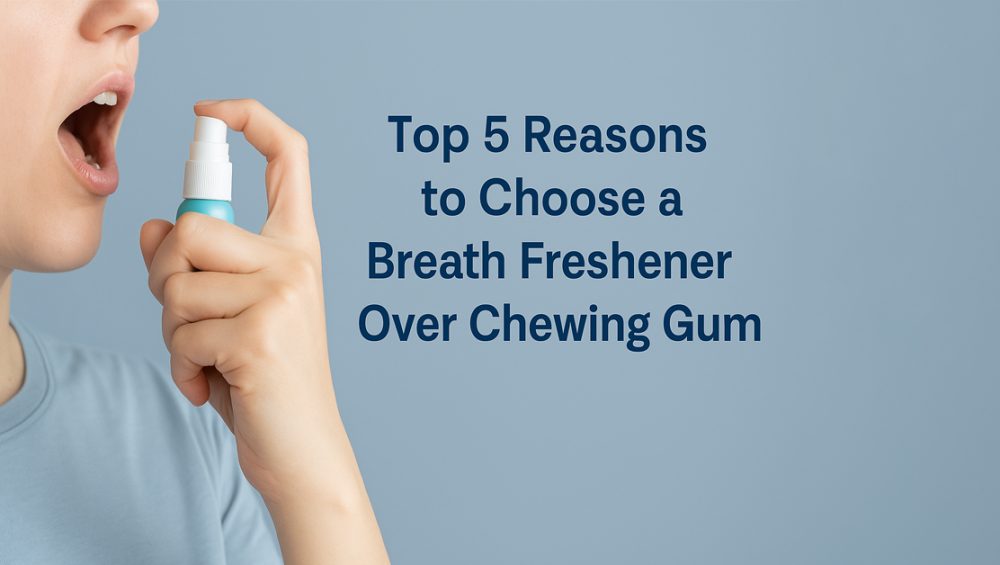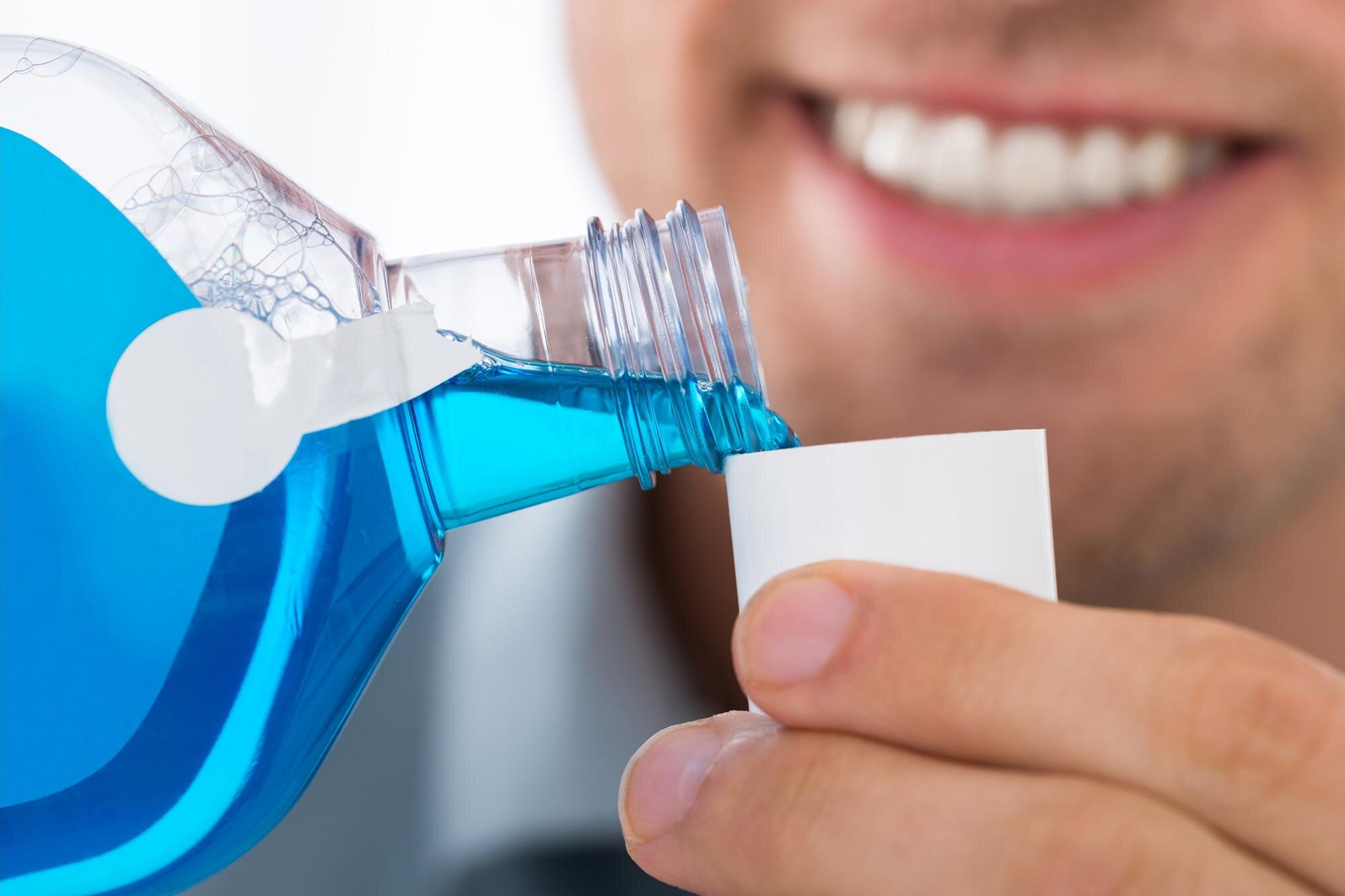
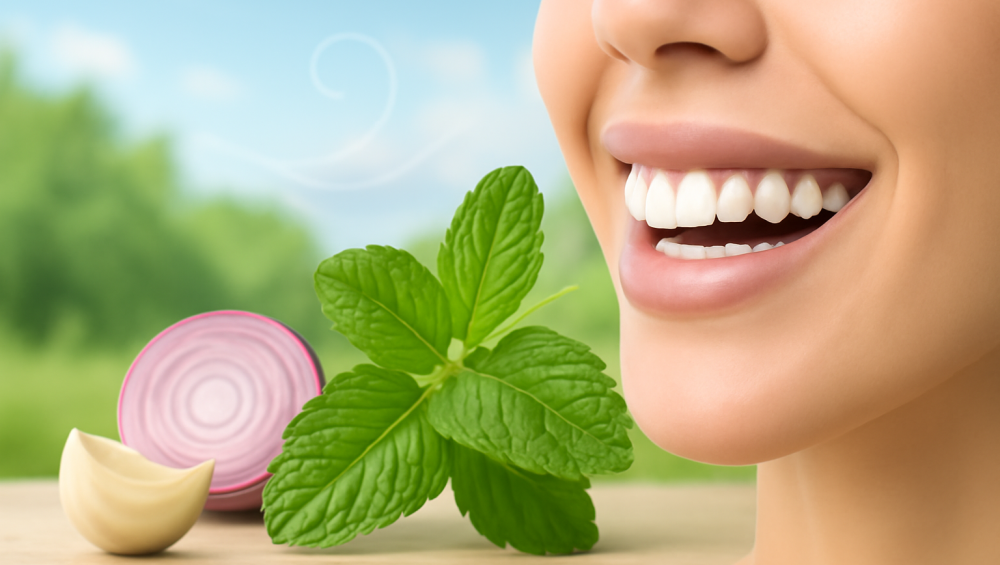
Person using a breath freshener spray for instant freshness, highlighting the advantages of breath freshener over chewing gum.

Top 5 Reasons to Choose a Breath Freshener Over Chewing Gum

Top 5 Reasons to Choose a Breath Freshener Over Chewing Gum

Keeping your breath fresh is essential for daily interactions—whether you’re heading into a meeting, social gathering, or date. While chewing gum has long been a popular option, it’s not the most efficient or hygienic choice anymore.

A growing number of people are switching to breath fresheners—sprays, strips, or tablets designed to offer instant freshness without the hassle or side effects of traditional gum. These innovative solutions are discreet, effective, and far more convenient.

Let’s explore five key reasons why using a breath freshener is a smarter alternative.

1. Immediate Freshness with Every Use

One of the biggest advantages of a breath freshener is the speed at which it works. Chewing gum typically takes a few minutes to start having any noticeable effect. Meanwhile, a single spray or a dissolving strip can instantly neutralize odor-causing bacteria in the mouth.

Whether you just finished a strong cup of coffee or had a garlic-heavy meal, an instant breath freshener provides a fast solution. You don’t need to chew for minutes—just spray or place the strip on your tongue and continue your day.

This makes it ideal for people with fast-paced lifestyles who value efficiency and discretion.

2. No Sugar, No Cavities

Not all chewing gums are created equal. Many still contain sugars or sugar alcohols that contribute to bacterial buildup and tooth decay. Even some sugar-free gums have acidic flavoring agents that can weaken tooth enamel over time.

A breath freshener, especially those offered by trusted brands like Mountain Breeze, is designed to be gentle on your oral environment. These products are typically:

  • Sugar-free
  • Alcohol-free
  • Made without acidic or enamel-damaging ingredients

Instead of masking bad breath with artificial sweetness, a high-quality breath freshener neutralizes odors at their source, supporting better long-term dental health.

3. Clean and Convenient—No Leftover Waste

Let’s face it—chewing gum can be messy. From sticky wrappers to improperly disposed pieces, gum isn’t the most environmentally or socially friendly option. Plus, it’s not always possible to dispose of gum discreetly or hygienically when in public or formal settings.

A breath freshener, on the other hand, comes in compact and easy-to-use packaging. There’s no sticky residue, no trash, and no need to find a bin. Strips dissolve on your tongue, and sprays leave no trace behind. You can carry them in your wallet, purse, or even your jeans pocket without any bulk.

This is particularly helpful in professional settings, where chewing gum might not be considered appropriate.

4. Hygienic and Single-Use Design

Sharing gum or reaching into a multipack introduces hygiene concerns. Breath fresheners eliminate that issue. Most are designed for single-person use and come in sealed, air-tight packaging.

Whether you use a breath freshener spray or dissolving strip, you’ll find the experience more sterile, personal, and modern. This hygienic benefit has become even more important in today’s health-conscious environment where shared surfaces and items are avoided.

Additionally, since there’s no need to touch your mouth or hands, the application process is more sanitary and discreet.

5. Long-Lasting Oral Freshness Without the Need to Chew

Chewing gum masks odors as long as the flavor lasts—which usually fades within minutes. Once that minty coating is gone, you’re left chewing bland rubber with limited benefit. Worse, constant chewing may lead to jaw strain or TMJ issues in the long term.

A breath freshener is engineered to deliver lasting results. Some contain antimicrobial ingredients that not only freshen breath but also help reduce the bacterial load that causes bad odors. Others include herbal or plant-based extracts known to support oral health while delivering a clean, minty finish.

The result? You get clean, lasting freshness with no chewing required.

Additional Advantages of Breath Fresheners

  • Workplace Friendly: Some workplaces discourage gum chewing. A breath freshener offers a silent, discreet option.
  • Travel Approved: Since breath sprays come in small bottles and strips are paper-thin, they’re TSA-approved and ideal for travel.
  • No Stomach Discomfort: Excess gum chewing can lead to bloating or gas due to swallowing air. Breath fresheners avoid this problem entirely.
  • No Caloric Content: Most breath sprays and strips contain zero calories, making them a healthier option if you’re watching your intake.
Natural Ways to Keep Your Breath Fresh Without a Toothbrush

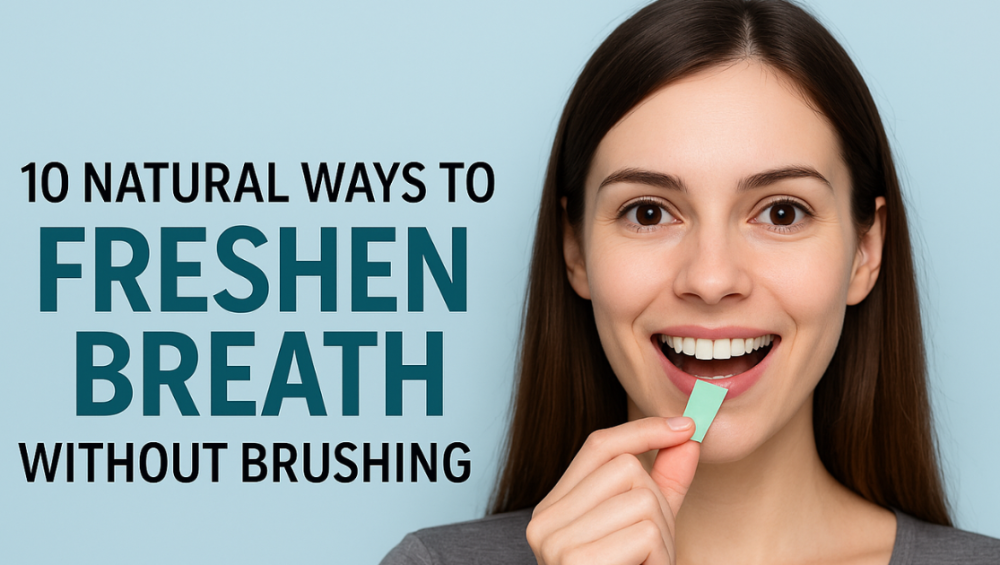
10 Natural Ways to Keep Your Breath Fresh Without a Toothbrush

We’ve all had those moments—you’re rushing to work, heading to a meeting, or traveling, and suddenly realize you forgot your toothbrush. While brushing is ideal, there are still plenty of ways to freshen breath without brushing.

Here are 10 easy and natural ways to freshen your breath anytime, anywhere.

1. Rinse With Water

Rinse With Water

One of the easiest ways to freshen your breath without brushing is to rinse your mouth with water. It helps dislodge food particles and reduces bacteria buildup that causes bad breath. Swish thoroughly after meals to cleanse your mouth and keep it feeling fresh.

2. Use a Paper Towel for a Quick Wipe

Use a Paper Towel for a Quick Wipe

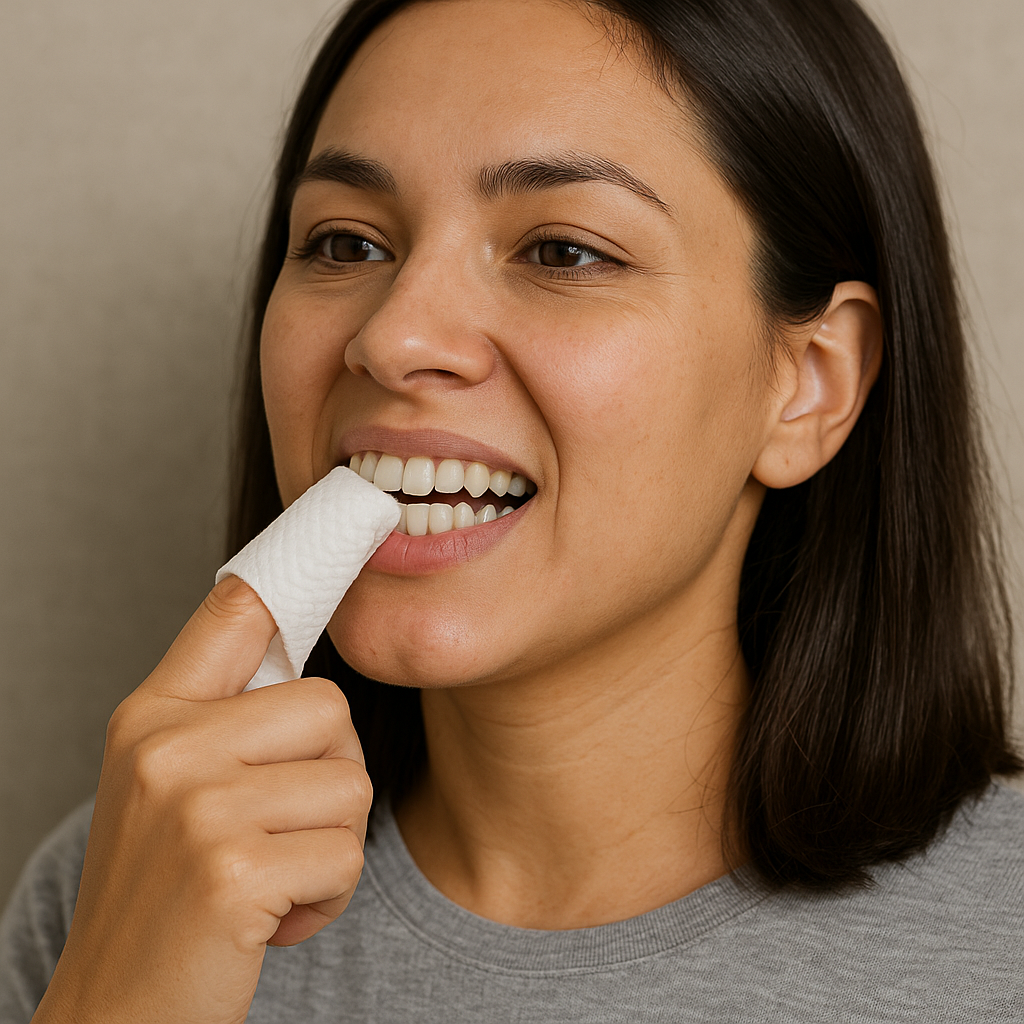
If you’re in a pinch, wrap a clean paper towel around your finger and gently rub your teeth, gums, and tongue. This quick method can help remove surface plaque and offer a cleaner mouthfeel when you can’t brush.

3. Chew Sugar-Free Gum or Mints

Chew Sugar-Free Gum or Mints

Chewing sugar-free gum or sucking on sugar-free mints increases saliva production, which naturally rinses away food and bacteria. Keeping your mouth moist is essential to freshen breath without brushing, especially if dry mouth is an issue.

4. Floss to Remove Hidden Food Particles

Floss to Remove Hidden Food Particles

Flossing isn’t just for bedtime. It’s a powerful way to eliminate trapped food between teeth, one of the main causes of bad breath. Always carry a floss pick or travel-sized floss to freshen your breath discreetly on the go.

5. Avoid Breath-Offending Foods

Avoid Breath-Offending Foods

Foods like garlic, onions, and certain spices contain sulfur compounds that linger in your system and are exhaled through your lungs. If brushing isn’t an option soon after eating, it’s smart to skip these to avoid foul-smelling breath.

6. Snack on Crunchy Fruits and Vegetables

Snack on Crunchy Fruits and Vegetables

Fruits like apples and raw vegetables such as carrots and celery act as natural toothbrushes. Their fibrous textures scrub away food particles and stimulate saliva flow—two important elements when trying to freshen breath without brushing.

Herbs like mint or parsley can also act as natural breath fresheners, thanks to their chlorophyll-rich content and antibacterial properties.

7. Scrape Your Tongue

Scrape Your Tongue

Your tongue harbors a lot of bacteria that contribute to bad breath. Using a tongue scraper helps reduce odor-causing buildup. If you’re without one, the back of a spoon works just as effectively in a pinch.

8. Use Alcohol-Free Mouthwash

Use Alcohol-Free Mouthwash

Mouthwash can instantly freshen breath without brushing, especially when brushing isn’t possible. Choose an alcohol-free version to avoid drying out your mouth, and use it after meals or throughout the day as needed.

9. Quit Smoking

Quit Smoking

Smoking not only stains your teeth—it also dries out your mouth and contributes to chronic bad breath. Quitting is a long-term step toward fresher breath and overall improved oral health.

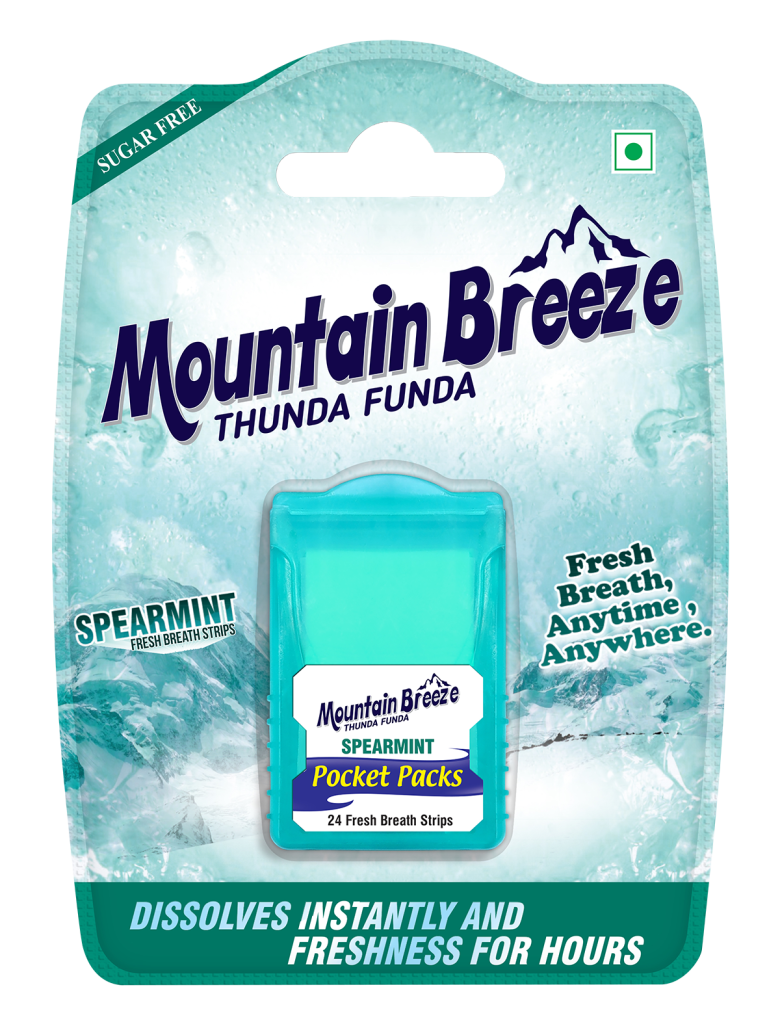
10. Try Mountain Breeze Breath Freshener Strips

Try Mountain Breeze Breath Freshener Strips

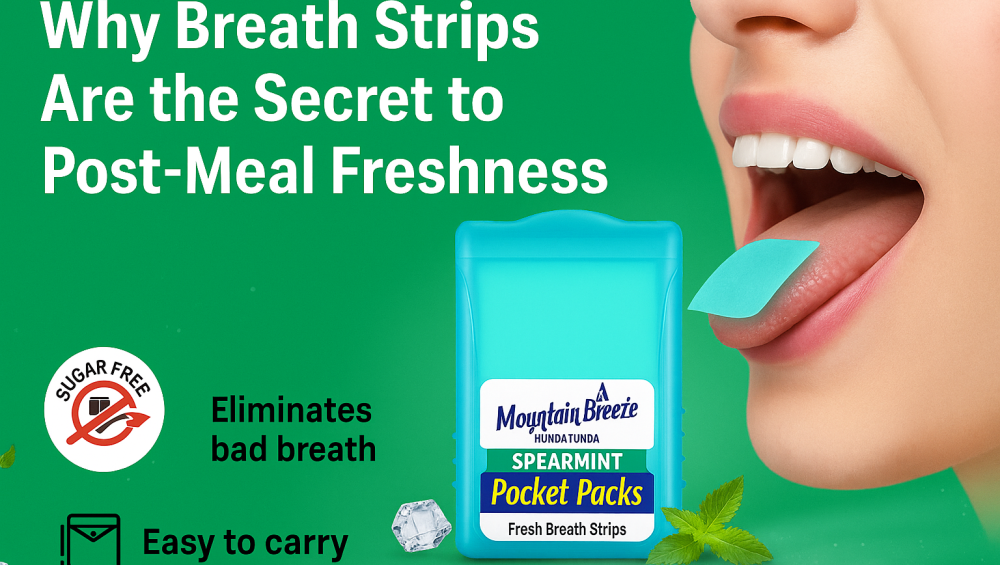
For the ultimate portable solution to freshen breath without brushing, try Mountain Breeze breath freshener strips. These sugar-free, minty strips dissolve instantly on your tongue and deliver fresh breath in seconds. Perfect for meetings, dates, or while traveling, they fit easily into your pocket or purse—no water, gum, or toothbrush needed.

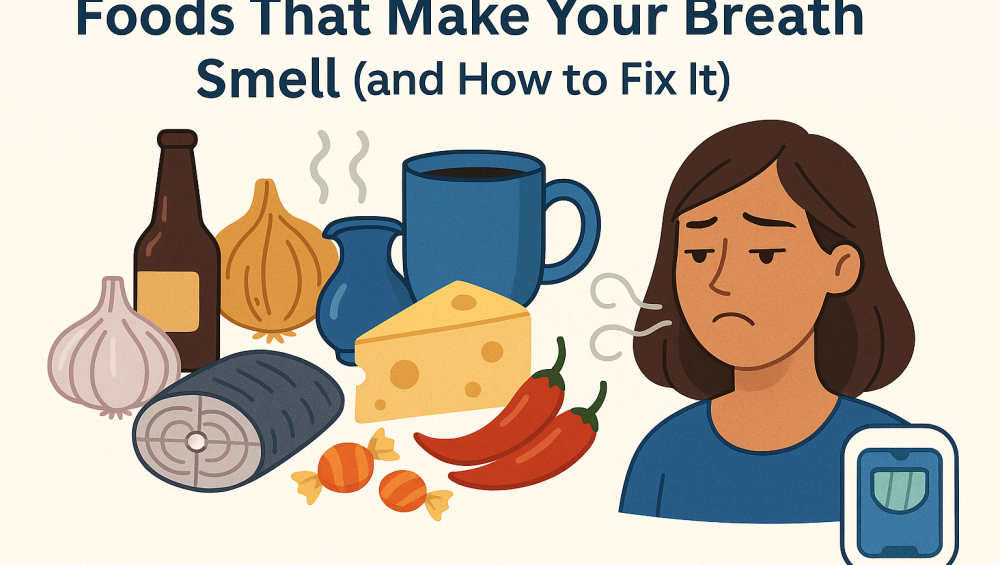
Foods That Make Your Breath Smell (and How to Fix It)

Introduction: What You Eat Affects How You Smell

Ever noticed your breath smells off after certain meals? You’re not imagining it. Some foods contain compounds that cause bad breath, both immediately and long after eating. While good oral hygiene helps, sometimes you need a little extra backup—like our Mountain Breeze Breath Strips—especially when certain foods are involved.

Top Foods That Cause Bad Breath

1. Garlic and Onions

Why: Both are high in sulfur-containing compounds that linger in your mouth—and even your lungs—long after eating. These compounds enter your bloodstream and are exhaled when you breathe.

Fix: Drink water, chew parsley, or use a breath strip after meals to neutralize odors fast.

2. Coffee

Why: Coffee can dry out your mouth, reducing saliva and allowing bacteria to thrive. The strong aroma also sticks to your tongue and teeth.

Fix: Rinse with water after drinking coffee, and freshen up with a Mountain Breeze Breath Strip.

3. Alcohol

Why: Alcohol also reduces saliva production, creating a dry environment where odor-causing bacteria multiply.

Fix: Hydrate well and carry breath strips with you during social events.

4. Spicy Foods

Why: Spicy dishes often trigger acid production and strong smells that travel back up your throat, causing noticeable breath odors.

Fix: A minty breath strip can help cleanse your mouth and throat quickly.

5. Tuna and Other Fish

Why: Certain fish contain trimethylamine, a compound known for its pungent smell that can linger in the mouth.

Fix: Rinse your mouth and pop a breath strip immediately after your meal.

6. Dairy Products

Why: Bacteria in your mouth feed on the amino acids in dairy, producing volatile sulfur compounds that smell unpleasant.

Fix: Brush and floss, and use a freshening strip if you’re on the go.

7. Sugar and Sweets

Why: Sugar feeds mouth bacteria, which then produce acids and gases that result in bad breath.

Fix: Limit sugary snacks and keep Mountain Breeze Breath Strips handy for quick freshness.

How to Stay Fresh After Eating

  • Brush and floss regularly
  • Drink water throughout the day
  • Avoid excessive sugar, caffeine, and alcohol
  • Chew sugar-free gum or better yet, use a fast-dissolving breath strip

Why Choose Mountain Breeze Breath Strips?

  • Kills odor-causing bacteria in seconds
  • Sugar-free and easy to carry
  • Perfect after meals or on the go
  • Refreshes your mouth anytime, anywhere

Why Do I Have Bad Breath? Top Causes and Easy Fixes

Why Do I Have Bad Breath?

You’re Not Alone

Ever wondered, “Why do I have bad breath?” You’re not alone. Millions of people experience bad breath—also known as halitosis—at some point in their lives. Whether it’s after a meal, first thing in the morning, or during the day, bad breath can be both embarrassing and frustrating.

Understanding the causes of bad breath is the first step toward finding a fresh and lasting solution.

What Causes Bad Breath?

There are several reasons why your breath might smell unpleasant. Some causes are temporary, while others may require a more long-term solution.

1. Poor Oral Hygiene

If you don’t brush and floss regularly, food particles stay in your mouth, promoting bacterial growth. These bacteria release foul-smelling compounds, which are a major cause of bad breath.

2. Dry Mouth (Xerostomia)

Saliva plays a crucial role in cleansing your mouth. When your mouth is dry—especially in the morning or due to dehydration—bacteria multiply, causing bad breath.

3. Certain Foods and Drinks

Garlic, onions, coffee, and alcohol are notorious for causing bad breath. Some of their odor-causing components are absorbed into your bloodstream and exhaled through your lungs.

4. Smoking and Tobacco

Tobacco not only dries out your mouth but also leaves a strong, unpleasant odor. It also increases the risk of gum disease, another major source of bad breath.

5. Medical Conditions

Chronic bad breath can sometimes be a sign of underlying health problems such as:

  • Sinus infections
  • Acid reflux (GERD)
  • Diabetes
  • Liver or kidney disease

How to Cure Bad Breath Naturally and Effectively

Here are some natural and effective ways to fight bad breath and maintain fresh breath all day long:

1. Practice Good Oral Hygiene

  • Brush your teeth at least twice a day
  • Floss daily to remove trapped food particles
  • Clean your tongue using a scraper or by brushing it gently

2. Stay Hydrated

Drink plenty of water to prevent dry mouth and wash away odor-causing bacteria.

3. Watch What You Eat

Avoid or limit foods that are known to cause bad breath. Rinse your mouth or chew sugar-free gum after consuming them.

4. Quit Smoking

Quitting smoking improves your breath and enhances your overall oral and physical health.

Use Breath Strips for Instant Freshness

When you’re on the go and need a quick breath refresh, Mountain Breeze Breath Strips are your perfect companion. Our minty-fresh strips dissolve instantly, killing bad-breath bacteria and giving your mouth a clean, refreshing feel—anytime, anywhere.

Why Choose Mountain Breeze Breath Strips?

  • Fast-acting freshness
  • Kills odor-causing bacteria
  • Sugar-free and easy to carry
  • Perfect after meals, before meetings, or post-coffee

Don’t Let Bad Breath Hold You Back

Fresh breath boosts your confidence—and with Mountain Breeze Breath Strips, confidence is just a strip away. Say goodbye to embarrassing breath and hello to all-day freshness!

Best After Drink Mouth Fresheners

Best After Drink Mouth Fresheners to Remove Alcohol Breath

Best After Drink Mouth Fresheners for Fresh Breath

Introduction

Drinking alcohol gives the stink on your breath Unlike what smells comes from food if alcohol breath is given out by your lungs at a deeper level another way it is not so easy get rid of it. A good mouth freshener to make sure your breath smells nice and your not so intimidated

Why Does Alcohol Cause Bad Breath?

Bad Breath Cause by Alcohol
  • Dehydration: Alcohol reduces saliva, leading to dry mouth and bacteria buildup.
  • Bacterial Growth: Less saliva allows bacteria to grow, causing bad breath.
  • Lung Exhalation: Alcohol is released through the lungs, making it hard to mask.
  • Residue in the Mouth: Sugary drinks and strong flavors can leave lingering odors.

How to Get Rid of the Smell of Alcohol

Alcohol breath can linger for hours, but there are ways to minimize it. Here’s what you can do:

  • Stay Hydrated: Drink plenty of water to flush out alcohol and prevent dry mouth.
  • Eat Something: Food helps absorb alcohol and neutralizes odors.
  • Brush & Floss: Cleans residual alcohol from teeth and tongue.
  • Use a Strong Mouth Freshener: Opt for alcohol free mouthwash or breath strips for quick results.

Best After Drink Mouth Fresheners

1. Mouth Freshener Strips

Mouth Freshener Strips After Drink
  • Dissolve instantly for quick freshness.
  • Compact and easy to carry.

2. Alcohol Free Mouthwash

Alcohol Free Mouthwash After Drink
  • Eliminates bacteria without causing dryness.
  • Mint and herbal infused options work best.

3. Natural Herbs (Cardamom, Clove, Fennel Seeds)

Mahaswaad Fennel Seeds (Saunf) | Whole Natural Fennel Seeds Saunf Indian  Spices. (Fennel Seed (Saunf) 200gm + Clove 100gm + Green Cardamom 50gm 50)  : ...
  • Chewing on these helps freshen breath naturally.
  • Clove also has antibacterial properties.

4. Chewing Gum & Mints

  • Sugar free gum boosts saliva production and freshens breath.
  • Strong mint flavors provide temporary relief.

5. Activated Charcoal Toothpaste

  • Helps remove alcohol residue from the tongue and teeth.
  • Charcoal absorbs odor
  • causing bacteria.

6. Water & Lemon

Water & Lemon After Drink
  • Hydrates the mouth and flushes out toxins.
  • Lemon boosts saliva and leaves a fresh scent.

Tips to Prevent Alcohol Breath

  • Drink Water: Stay hydrated to reduce dry mouth.
  • Eat While Drinking: Slows alcohol absorption and reduces odor.
  • Brush & Floss: Cleans residue from teeth and tongue.
  • Use a Mouth Freshener: A quick fix for instant freshness.

Alcohol breath can be embarrassing, but the right steps can help. Stay fresh and confident with the best after drink mouth fresheners!

germs in teeth

How Germs in Teeth Affect Your Oral Health and How to Prevent It

What Are Germs in Teeth?

Germs in teeth refer to the harmful bacteria, viruses, and fungi that reside in your mouth. These microorganisms thrive on food particles, sugars, and acids left behind in the mouth, especially after meals. Over time, if not cleaned properly, they form plaque—a sticky, colorless film that coats the teeth and gums. The bacteria in this plaque can cause damage to your teeth, gums, and overall oral health. If ignored, the bacteria can lead to infections, cavities, gum disease, and even more serious systemic health issues.

How Germs in Teeth Affect Oral Health:

  1. Tooth Decay (Cavities): The bacteria in your mouth feed on sugars, producing acids that can wear away the enamel of your teeth. This leads to cavities, which are essentially holes in your teeth. Over time, untreated cavities can result in tooth sensitivity, infections, and even tooth loss.
  2. Gum Disease: When plaque and bacteria build up along the gumline, it can cause inflammation, redness, and bleeding. This condition, known as gingivitis, is an early stage of gum disease. If left untreated, it can progress to more severe periodontal disease, which can result in tooth loss and damage to the bone structure of the mouth.
  3. Bad Breath (Halitosis): The bacteria present in the mouth can lead to persistent bad breath. These germs produce sulfur compounds, which are the culprits behind unpleasant odors. Without proper hygiene, this can be an ongoing problem.
  4. Health Risks Beyond Oral Health: Germs in the mouth aren’t just limited to affecting your teeth and gums. Oral bacteria can enter the bloodstream through infected gums, leading to systemic health issues. Studies have shown links between oral bacteria and conditions such as heart disease, diabetes, respiratory issues, and even pregnancy complications.

How to Prevent Germs in Your Teeth:

  1. Brush Regularly: Brushing your teeth at least twice a day is the most effective way to remove food particles, plaque, and bacteria. Make sure to use fluoride toothpaste, which not only cleans but also helps strengthen tooth enamel.
  2. Floss Daily: Flossing reaches areas between your teeth where your toothbrush can’t. By flossing daily, you can remove plaque and food debris that could lead to bacteria buildup.
  3. Use Mouthwash: An antibacterial mouthwash can help kill germs and bacteria in your mouth, giving you an extra layer of protection against plaque buildup and gum disease.
  4. Control Your Diet: Reducing the intake of sugary foods and drinks is crucial. Sugars feed the bacteria in your mouth, leading to acid production that damages tooth enamel. Drinking plenty of water also helps wash away food particles and bacteria.
  5. Regular Dental Checkups: Visiting your dentist every six months allows for professional cleaning to remove hardened plaque (tartar) and detect early signs of any oral health issues. Professional checkups ensure your teeth stay healthy and that germs are kept at bay.

For those looking for an easy, convenient way to freshen breath and fight germs, try our mouth fresheners at Mountain Breeze. They help neutralize bacteria and promote fresh breath, giving you confidence throughout the day.

External Resources


For more detailed information on oral health and preventing dental issues caused by germs, check out The American Dental Association (ADA) and WebMD’s Oral Health Section. These reputable sources offer in-depth insights into maintaining proper oral hygiene and tackling the harmful effects of germs in teeth.

By following a consistent oral care routine and using the right products, you can prevent the buildup of germs in your teeth and maintain a healthy, fresh smile for years to come.

mouth freshener after food

Mouth Freshener After Food – Instant Freshness & Health Benefits

Why You Should Use a Mouth Freshener After Food

After a hearty meal, the freshness of your breath can be affected by the lingering odor of food. A mouth freshener comes to the rescue by not only giving your breath a quick refresh but also promoting oral hygiene. It helps neutralize any unpleasant smells, stimulates saliva production, and can aid digestion, especially if made with mint or herbal ingredients. Whether you’re heading to a meeting or just want to feel fresh, using a mouth freshener after food ensures you’re always ready with a confident smile.

Benefits of Mouth Fresheners:

  1. Instant Breath Freshness: Minty mouth fresheners help eliminate food odors.
  2. Promotes Oral Health: Ingredients like mint and herbs may help with digestion and maintain overall oral hygiene.
  3. Portable and Convenient: Easy to carry and use, making them perfect for on-the-go freshness.
  4. Promotes Digestion: Natural herbs like cardamom and fennel aid in digestion and soothe the stomach after meals.
  5. Hydrates the Mouth: By stimulating saliva production, mouth fresheners help prevent dry mouth.
  6. Improves Oral Hygiene: Regular use can reduce bacteria and plaque buildup, promoting better oral health.
  7. Boosts Confidence: Fresh breath enhances your social and professional interactions, helping you feel confident.

How to Use Mouth Freshener

Using a mouth freshener is simple and quick. After eating, take one strip of the mouth freshener and place it on your tongue. It will dissolve instantly, providing you with a refreshing burst of flavor. This method ensures that bad breath is eliminated and your mouth feels clean and fresh. It’s the perfect solution for freshening up when you’re on the go.

Top Picks from Mountain Breeze:

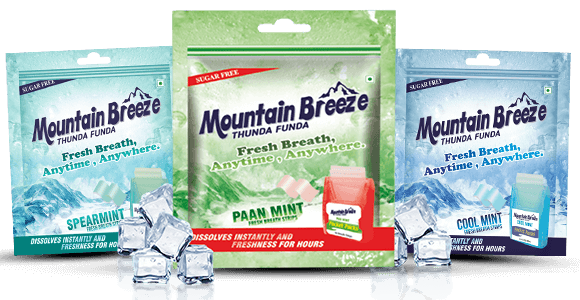
Coolmint Breath Freshener Strips: Perfect for an instant breath boost with a refreshing minty kick.

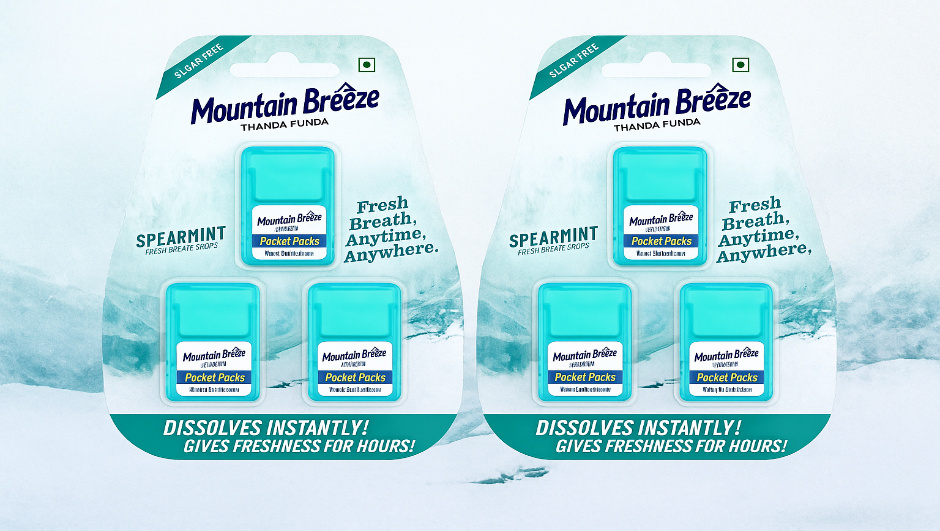
Mountain Breeze Sugar-Free Coolmint Fresh Breath Strips | 99.9% Germ Kill | Blister Pack of 6 (24 Strips)

  • Kills bad breath germs and gives freshness and keeps the mouth clean. Sugar-free.
  • The strips are easily dissolving strip for your oral hygiene and easily soluble | Hygienic way of carrying mints without any paper wrapper| Packed in small Portable Container which can be easily kept in the wallet.
  • Ideal for almost everyone, whether you need an after-smoke fresh breath to get rid of a bad breath or tasting meal, it is suitable in both cases | If you use it before bed, morning it feels like you brushed your teeth at night.
  • It’s not a Chewing Gum. MOUNTAIN BREEZE Fresh Breath strips orally disintegrating mouth freshener strips which melts in the mouth within seconds after placing on the tongue and gives instant freshness.
  • Available in Cool Mint and SpearMint flavor

Spearmint Breath Freshener Strips: Enjoy a soothing and cool sensation for your breath.

Mountain Breeze Sugar-Free Spearmint Fresh Breath Strips Blister Pack of 6*24Strips

  • Kills bad breath germs and gives freshness and keeps the mouth clean. Sugar-free.
  • The strips are easily dissolving strip for your oral hygiene and easily soluble | Hygienic way of carrying mints without any paper wrapper| Packed in small Portable Container which can be easily kept in the wallet.
  • Ideal for almost everyone, whether you need an after-smoke fresh breath to get rid of a bad breath or tasting meal, it is suitable in both cases | If you use it before bed, morning it feels like you brushed your teeth at night.
  • It’s not a Chewing Gum. MOUNTAIN BREEZE Fresh Breath strips orally disintegrating mouth freshener strips which melts in the mouth within seconds after placing on the tongue and gives instant freshness.
  • Available in Cool Mint and SpearMint flavor

Paanmint Breath Freshener Strips: Experience a traditional and unique flavor, blending freshness and heritage.

Mountain Breeze Sugar-Free Panmint Fresh Breath Strips ( 18 Strips Each ) Pack of 12 x 18 = 216 Strips

This is a Vegetarian product.

  • Kills bad breath germs and gives freshness and keeps the mouth clean. Sugar-free.
  • The strips are easily dissolving strip for your oral hygiene and easily soluble | Hygienic way of carrying mints without any paper wrapper| Packed in small Portable Container which can be easily kept in the wallet.
  • Ideal for almost everyone, whether you need an after-smoke fresh breath to get rid of a bad breath or tasting meal, it is suitable in both cases | If you use it before bed, morning it feels like you brushed your teeth at night.
  • It’s not a Chewing Gum. MOUNTAIN BREEZE Fresh Breath strips orally disintegrating mouth freshener strips which melts in the mouth within seconds after placing on the tongue and gives instant freshness.
  • Best Before: 18 Months

Why Choose Mountain Breeze?

Mountain Breeze is committed to offering high-quality, sugar-free, and 100% vegetarian mouth fresheners. Our products are crafted using innovative orally disintegrating technology, ensuring quick and effective breath freshness. We use natural ingredients such as mint and herbs, promoting not only fresh breath but also digestive health. Convenient, portable, and easy to use, Mountain Breeze mouth fresheners are ideal for daily use, whether you’re at home or on the go. Choose us for a refreshing, healthy, and effective solution for your breath.

Explore our products at Mountain Breeze Shop.

Best Mouth Fresheners for Work, Dates & Travel

Best Mouth Fresheners for Different Situations: Work, Dates & Travel

Fresh breath is more than just a personal hygiene goal—it’s a social superpower. Whether you’re navigating a busy office, sharing an intimate moment with someone special, or embarking on an adventurous road trip, the confidence that comes from fresh breath can instantly elevate your interactions.

The good news? There’s a mouth freshener for every occasion! This guide will show you how to tackle each scenario with the best options available. From discreet workplace solutions to travel-savvy picks, we’ve got it all covered.

Mouth Fresheners for the Workplace

Workplace interactions often involve close conversations in team meetings, presentations, or coffee breaks. Here are some discreet and professional mouth freshening solutions to keep you confident all day long.

Top Picks for Office-Friendly Freshness

  1. Sugar-Free Mints
  • Mints like Altoids or Tic Tacs deliver a quick burst of freshness while staying compact enough to slip into your pocket or bag.
  • Look for sugar-free varieties to avoid unnecessary calories and prevent oral health issues.
  1. Breath Strips
  • Thin, dissolvable strips (like Listerine breath strips) are super discreet and provide instant freshness in seconds. Perfect for those quick pre-meeting touch-ups!
  1. Mouth Sprays
  • Portable sprays, such as Binaca or Scope, deliver fresh breath without any invasive chewing motions, making them ideal for quiet office settings.
  1. Green Tea or Herbal Lozenges
  • For a professional yet subtle choice, opt for herbal lozenges containing green tea or eucalyptus. These not only freshen your breath but also soothe dry throats.

Tips for All-Day Freshness at Work

  • Stay hydrated—dry mouth is a significant contributor to bad breath.
  • Brush your teeth or rinse with mouthwash during lunch breaks.
  • Stock up on breath-friendly office snacks such as apples, celery, or cucumbers.

Mouth Fresheners for Dates and Social Events

Heading out on a dinner date or attending a special celebration? Strong foods like garlic, onions, or red wine can linger on your breath, and you’ll want a solution that is both effective and unobtrusive.

Top Picks for Social Settings

  1. Chewing Gum
  • Sugar-free gum, like Trident or Orbit, can tackle strong odors effectively while stimulating saliva production to keep your mouth naturally fresh.
  1. Cinnamon Mints
  • Cinnamon-based mints not only freshen breath but also kill odor-causing bacteria. Plus, the warm, spicy flavor is comforting and inviting.
  1. Parsley Capsules
  • Known for its natural deodorizing properties, parsley capsules are excellent for combating pungent foods such as garlic or fish.
  1. Cardamom Pods
  • A natural and less-common choice, chewing on a cardamom pod releases aromatic oils that eliminate strong food smells.

Expert Tip for Dates:

Choose a freshener with a mild, pleasant scent that complements your natural aroma. Avoid anything too overpowering—it should enhance your presence, not dominate it.

Travel-Friendly Mouth Fresheners

Whether you’re on a long-haul flight, a scenic road trip, or a cozy train ride, traveling can wreak havoc on oral freshness. Limited access to water, snacks, and fresh air often leads to dry mouth. Combat this with the right travel-friendly options.

Must-Have Fresheners for the Road

  1. Mouthwash Tablets
  • These innovative tablets dissolve in water, turning into a quick rinse on the go. They’re lightweight, compact, and TSA-friendly.
  1. Portable Toothbrush and Toothpaste
  • Heading straight to a meeting after arriving? A travel-sized toothbrush and toothpaste can work wonders for an instant refresh.
  1. Dry Mouth Lozenges
  • Lozenges specially designed to combat dry mouth, like Biotene, are essential for long flights or drives.
  1. Coconut Oil Pulling Packets
  • Single-use coconut oil packets are easy to pack and help clean your mouth while promoting freshness—perfect for long journeys.
  1. Clove Chews
  • Carrying a few cloves is a natural and effective way to combat bad breath caused by dry mouth during travel.

On-the-Go Tip:

Always keep a small ziplock bag or travel pouch with your freshening essentials for easy access during your trip.

Natural and DIY Mouth Fresheners

If you prefer natural or homemade solutions, there are plenty of options to try! These remedies are not only cost-efficient but also free of artificial additives.

DIY Recipes for Fresh Breath

  1. Baking Soda Rinse
  • Mix 1 teaspoon of baking soda into a cup of water and rinse your mouth. It neutralizes odors instantly. Add a drop of peppermint oil for a refreshing twist.
  1. Mint and Lemon Spray
  • Blend fresh mint leaves and lemon juice with water to create a refreshing and natural mouth spray.
  1. Homemade Breath Mints
  • Combine coconut oil, xylitol, and a drop of peppermint or spearmint essential oil in small molds. Once hardened, you’ll have your own portable mints.
  1. Cinnamon Clove Tea
  • Brew a simple tea using cinnamon sticks and cloves. Swish it in your mouth before spitting it out for natural odor elimination.
  1. Parsley and Apple Remedy
  • Chew fresh parsley leaves or eat a slice of apple after meals to naturally neutralize odors.

Why Go Natural?

Natural mouth fresheners are free from artificial sweeteners and preservatives, making them a healthier choice for daily use.

Freshen Up Your Life

Regardless of whether you’re navigating a busy workday, impressing on a date, or exploring the world on your next adventure, having the right mouth freshener can make all the difference. Try one of the solutions tailored to your situation and preferences from the list above.

The key is finding what works best for your needs—be it mints, sprays, natural remedies, or portable solutions. Start with one or two options, and experiment to discover your personal favorite.

Do you know someone who could use these tips? Share this article with friends or family, and help spread the joy of fresh breath. Your next adventure, meeting, or date just got a little fresher.

Are Mouth Fresheners Safe for Kids? Guidelines for Parents

Mouth Fresheners for Kids: Are They Safe?

Ensuring your child has great oral hygiene can sometimes feel like a full-time job. From reminding them to brush their teeth twice a day to keeping sugar-filled snacks at bay, parents are always looking for new ways to make oral care fun and effective. Among the growing trends, mouth fresheners for kids have started to make their way into grocery aisles and online stores. But are they really safe for children?

This blog unpacks everything you need to know about kids’ mouth fresheners. From ingredients to risks, and natural alternatives, you’ll find the info you need to make confident decisions regarding your child’s oral health.

mockups-design.com

Types of Mouth Fresheners for Kids

The first thing to know is that not all mouth fresheners are created equal. There are various types available in the market today:

  1. Sugar-Free Chewing Gums: Popular for their convenience, these gums include sweeteners like xylitol that can help prevent cavities.
  2. Breath Strips: Small, dissolvable strips that freshen breath instantly. These are often marketed as a kid-friendly, sugar-free alternative.
  3. Mouth Sprays: Portable sprays designed to neutralize odors and freshen breath on the go.
  4. Herbal Lozenges: Typically made with natural ingredients like mint, clove, or fennel, these are thought to be a safer and organic choice.

Most of these products are targeted at parents dealing with children’s bad breath or picky eaters, but it’s crucial to understand what’s inside these products to evaluate their safety.

Common Ingredients in Mouth Fresheners

Mouth fresheners often include ingredients like:

  • Artificial sweeteners such as xylitol or stevia (preferred for kids as they don’t contribute to cavities).
  • Essential oils like peppermint or eucalyptus to mask bad breath.
  • Coloring agents and flavors to make products appealing to kids.
  • Non-active fillers that enhance the texture or consistency of the product.

While most of these ingredients are considered safe in moderation, potential risks for children arise when artificial additives, hidden sugars, or even allergens like mint oils are involved.

Are Mouth Fresheners Safe for Kids?

This brings us to the central question—are mouth fresheners safe for children? The answer, as you may suspect, isn’t black or white.

Potential Benefits:

  1. Improved Confidence: Some kids may deal with bad breath issues (clinically known as halitosis) that can affect their confidence in social settings. Mouth fresheners offer a quick fix.
  2. Xylitol Protection: Products containing xylitol have proven benefits in minimizing cavity-causing bacteria, particularly in sugar-free chewing gum.
  3. Encouraging Oral Care Habits: For kids reluctant to brush their teeth, mouth fresheners can make oral care more exciting.

Potential Risks:

  1. Swallowing Concerns: Young children might swallow chewing gum or liquid sprays, which can pose digestion risks or even a choking hazard.
  2. Too Much Sugar: Although some are sugar-free, others may contain added sugars that could lead to cavities if used often.
  3. Harmful Chemicals: Breath sprays and strips sometimes contain alcohol, artificial flavors, or synthetic additives that may not be suitable for children.
  4. Overuse Risks: Relying solely on mouth fresheners without proper brushing and flossing fails to address deeper oral health concerns.

Insights from pediatric dentists emphasize that moderation and monitoring are key. Dr. Laura Simmons, a leading pediatric dentistry expert, advises, “While certain kid-friendly oral fresheners can support oral hygiene practices, they should never replace regular brushing with fluoride toothpaste and dental visits.”

Best Practices for Using Mouth Fresheners with Kids

If you’re considering mouth fresheners for your child, keep these safety guidelines in mind:

  • Age-Appropriate Use: Only introduce mouth fresheners for kids over the age of six, as younger children may struggle with understanding safe use.
  • Opt For Sugar-Free: Look for products featuring natural sweeteners like xylitol, as these reduce the risk of cavities.
  • Read Labels Carefully: Avoid products with alcohol, excessive artificial flavors, or bright artificial colors.
  • Use in Moderation: Reserve mouth fresheners for occasional use, such as before a school recital or special event, rather than daily reliance.
  • Supervise Younger Kids: Ensure younger children use these products under adult supervision to prevent swallowing mishaps.

By following these steps, parents can enjoy the benefits of mouth fresheners without compromising on safety.

Alternatives to Conventional Mouth Fresheners

If you’re hesitant about store-bought options, rest assured there are safer, natural alternatives that can help with breath freshening:

  1. Homemade Mint Water

Combine fresh mint leaves with water and a splash of lemon juice for a refreshing rinse.

  1. Crunchy Fruits and Veggies

Apples, celery, and carrots not only freshen breath but also aid in natural teeth cleaning.

  1. Herbal Remedies

Clove and fennel seeds, traditional remedies for bad breath, are kid-friendly and all-natural.

  1. Safe Chewing Options

Sugar-free licorice or xylitol-based lozenges can be a fun alternative to commercial products.

By choosing natural alternatives, parents can provide their kids with healthier options while avoiding unnecessary chemicals or added sugars.

Mountain Breeze kills bad breath instantly

Bad Breath: Common Causes, Effective Treatments, and How to Prevent It

Bad breath, also known as halitosis, is more than just an uncomfortable condition—it can affect your self-confidence, social interactions, and even your professional life. Whether it’s a temporary issue after that garlic-loaded lunch or a persistent problem affecting your daily life, bad breath is a concern we’ve all faced at some point.

The good news? Understanding the causes and solutions makes treating it much easier. This guide will take you through everything you need to know about combating bad breath, from identifying its sources to learning how to prevent it for good.


Understanding Bad Breath

What is bad breath?

Bad breath is an unpleasant smell coming from the mouth, often caused by bacteria, food particles, or medical conditions. Many people assume it’s just a sign of poor oral hygiene, but there are plenty of other factors that can play a role.

Common misconceptions:

  • Brushing once a day is enough to prevent it.
  • Chewing gum is a foolproof fix (spoiler alert: it’s not).
  • It only happens if you eat “smelly” foods.

What causes bad breath?

Bad breath happens when harmful bacteria thrive in the mouth, food particles decay, or in some cases, due to health issues in other parts of the body. To tackle it effectively, we need to recognize the causes first.


Common Causes of Bad Breath

1. Poor Oral Hygiene

  • Plaque and food particles build up between teeth and on gums.
  • Bacteria grow on the tongue and in hard-to-reach areas, producing sulfur compounds that cause an unpleasant smell.
  • Forgetting to floss allows trapped particles to linger.

Key takeaway: Good oral hygiene is your first line of defense against bad breath.

2. Dry Mouth (Xerostomia)

  • Saliva is essential for washing away bacteria and food particles.
  • When your mouth is too dry, bacteria reproduce more easily.

What causes dry mouth?

  • Side effects of medications.
  • Breathing through your mouth rather than your nose.
  • Dehydration due to insufficient water intake.

3. Dietary Factors

Beyond obvious foods like garlic or coffee, the quality of fats used in daily cooking can also influence digestion and, indirectly, breath freshness. Highly refined oils and heavily processed foods may be harder on digestion, sometimes contributing to lingering odors.

Many people therefore prefer traditional, minimally processed fats as part of a balanced diet. For example, traditionally prepared cow ghee is often chosen for its simplicity and ease of digestion when used in moderation.

4. Tobacco Use

Smoking or chewing tobacco doesn’t just cause bad odors directly. It also contributes to gum disease and reduced saliva flow, making matters worse.

5. Medical Conditions

Severe or chronic bad breath might indicate an underlying health problem, including:

  • Gum disease, tooth infections, or tonsillitis.
  • Systemic conditions like diabetes, which can cause a fruity or sweet odor.
  • Sinus infections or gastrointestinal disorders.

6. Dehydration

Without enough water, your body cannot produce enough saliva to cleanse your mouth effectively. The stagnation can lead to a build-up of odor-producing bacteria.


Effective Treatments for Bad Breath

Temporary remedies might include mints or mouthwash, but the real solution lies in tackling the root cause.

Short-term fixes

  • Mouthwashes can freshen breath, but they mainly mask odors instead of eliminating the source.
  • Chewing gum (especially sugar-free options with xylitol) increases saliva production for a temporary boost.

Long-term solutions

  1. Implement Better Oral Hygiene
  • Brush at least twice daily with fluoride toothpaste; don’t forget your tongue!
  • Floss daily to remove trapped food particles.
  1. Stay Hydrated
  • Drink plenty of water to maintain saliva production and keep your mouth fresh.
  • Aim for at least eight 8-ounce glasses per day.
  1. Seek Professional Dental Care
  • Regular check-ups help address underlying issues like gum disease or cavities.
  • Professional cleanings eliminate hardened plaque (tartar) that brushing can’t remove.

Preventing Bad Breath

Prevention is key when it comes to halitosis. Here are the habits you should include in your daily routine to keep bad breath at bay.

Build a Daily Oral Care Routine

  • Clean thoroughly with brushing, flossing, and tongue scraping.
  • Replace your toothbrush every 3–4 months.
  • Consider using an electric toothbrush for better results.

Watch What You Eat

  • Limit foods known to cause bad breath (e.g., garlic, onions).
  • Eat a balanced diet, and avoid prolonged low-carb regimens unless necessary for health reasons.
  • Incorporate breath-friendly foods like fresh fruits, vegetables, and herbs (parsley is a great natural breath freshener).

Stay Hydrated

  • Make water your go-to beverage. Limit sugary drinks, coffee, and alcohol.

Avoid Tobacco

  • Besides health benefits like reduced cancer risk, quitting tobacco brings instant improvements to how your breath smells.

When to Seek Professional Help

Sometimes, self-care isn’t enough. Here’s how to know when it’s time to book a dental appointment.

Signs You Need to See a Dentist

  • Persistent bad breath despite brushing and flossing.
  • Bleeding gums, tooth pain, or other unusual oral symptoms.

What to Expect from a Professional Visit

  • Diagnostic tests to determine the source of the bad breath (e.g., for gum disease or infections).
  • Tailored treatment plans, whether it involves deep cleaning, cavity treatments, or specialized referrals for underlying medical conditions.

Take Control of Your Oral Health Today

Bad breath doesn’t have to hold you back. By understanding the causes, adopting effective treatments, and following preventative measures, you can enjoy fresh breath and newfound confidence.

If you’re ready to make your oral health a top priority, share this post with loved ones who might benefit from these tips. A little knowledge can go a long way in ensuring everyone feels (and smells) their best!