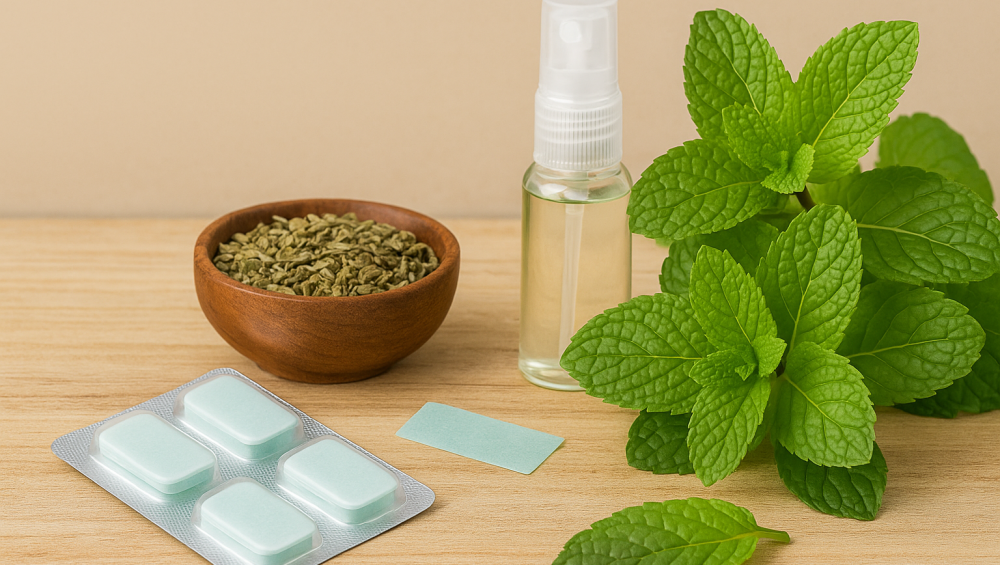
Mint mouth freshener with mint leaves, strips, spray bottle, and herbal seeds on a wooden surface

Mint Mouth Freshener: Benefits, Uses & Natural Fresh Options

What Is a Mint Mouth Freshener

A mint mouth freshener is a quick and natural way to fight bad breath, cleanse the palate, and stay confident throughout the day. The cooling effect of mint comes from menthol, a compound that activates freshness instantly in the mouth. From ancient Ayurvedic remedies using pudina leaves to modern strips and sprays, mint mouth fresheners remain the most trusted solution for oral freshness.

Why Mint Mouth Freshener Works So Well

  • Instant Cooling Effect – Menthol stimulates cold receptors and creates a lasting fresh feeling
  • Odor Neutralization – Mint reduces volatile sulfur compounds, which are the main cause of bad breath
  • Mild Antibacterial Action – Peppermint oil naturally helps reduce odor-causing bacteria in the mouth
  • Digestive Benefits – Mint calms the stomach and is often consumed after heavy meals in Indian tradition

Popular Types of Mint Mouth Fresheners

  • Mint Strips – Dissolve on the tongue within seconds and release intense mint flavor
  • Mint Chewing Gums – Sugar-free gums with xylitol that freshen breath while improving saliva flow
  • Mint Sprays – Pocket-size sprays with peppermint oil for quick and discreet freshness
  • Mint Lozenges – Slow-dissolving candies that provide longer-lasting breath protection
  • Traditional Herbal Mixes – Fennel seeds, ajwain, and dried mint, commonly served in Indian households after meals

Health Benefits of Mint Mouth Freshener

  • Helps maintain oral hygiene by reducing bad breath naturally
  • Prevents dry mouth by stimulating saliva production
  • Provides a sugar-free substitute to candies and sweets
  • Acts as a natural stress reliever with its cooling aroma
  • Supports better digestion when taken after meals

Ingredients You Should Look For

  • Natural Extracts – Peppermint, spearmint, menthol
  • Sweeteners – Xylitol and sorbitol (protect teeth from cavities)
  • Avoid Excess Sugar – Artificial sweeteners and coloring agents should be minimized for better oral health

When to Use a Mint Mouth Freshener

  • After consuming onion, garlic, or spicy food
  • Before important meetings, dates, or interviews
  • While traveling to prevent stale breath and dryness
  • After coffee, tea, or smoking to balance strong aftertastes

Natural vs Artificial Mint Mouth Fresheners

Natural options made with real mint oils and dried herbs are safe for long-term use, offering gentle and authentic freshness. Artificial varieties provide a stronger blast but often contain synthetic flavorings, added sugar, and chemical additives. For healthier results, natural mint mouth fresheners are the smarter choice.

New Trends in Mint Mouth Fresheners

  • Eco-Friendly Packaging – Recyclable packs and biodegradable strips
  • Ayurvedic Blends – Mint combined with tulsi, clove, or cardamom for extra health benefits
  • Sugar-Free Variants – Popular among health-conscious and keto-friendly consumers
  • Subscription Kits – Monthly deliveries of mint strips or sprays for everyday use

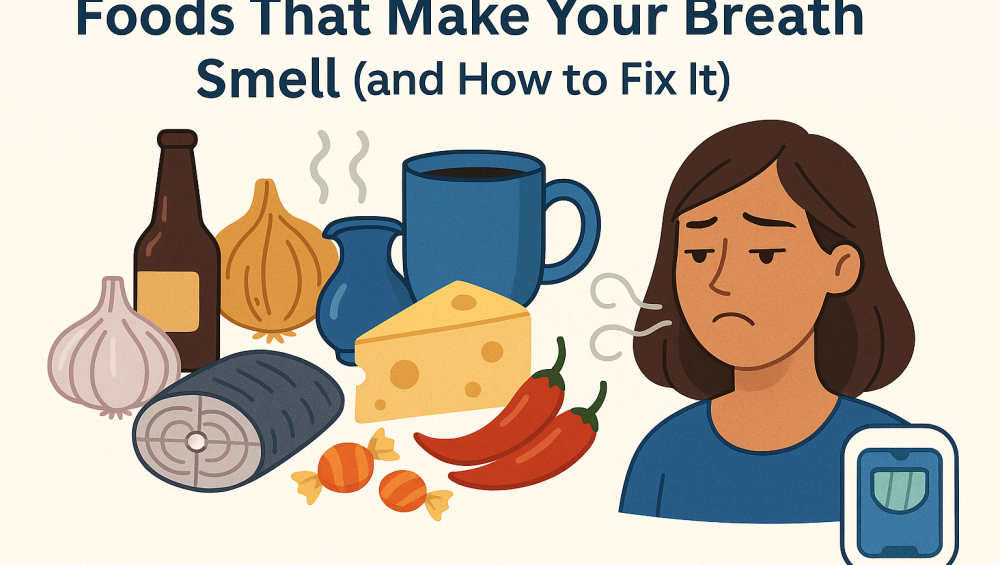
Foods That Make Your Breath Smell (and How to Fix It)

Introduction: What You Eat Affects How You Smell

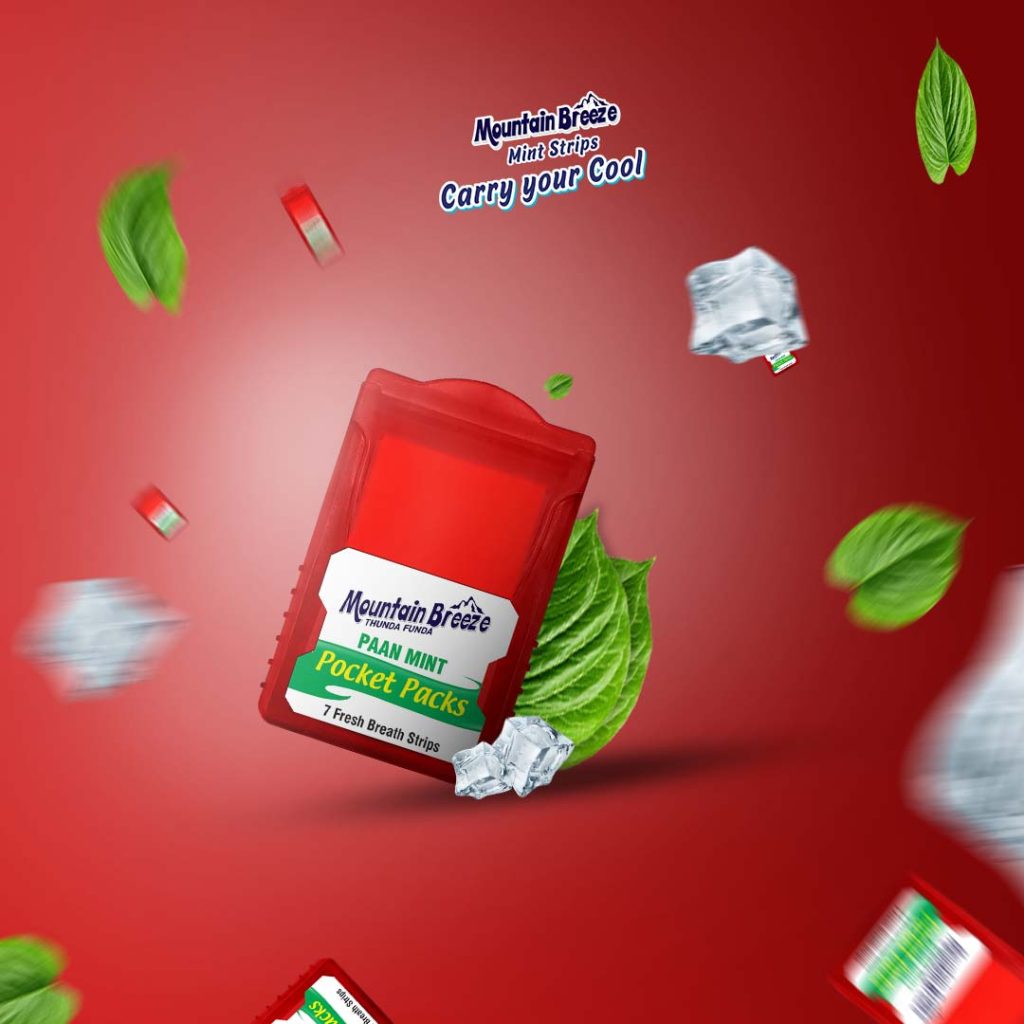
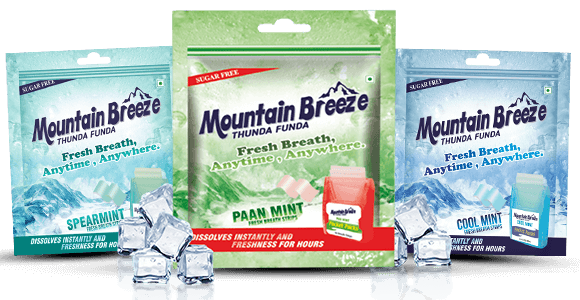
Ever noticed your breath smells off after certain meals? You’re not imagining it. Some foods contain compounds that cause bad breath, both immediately and long after eating. While good oral hygiene helps, sometimes you need a little extra backup—like our Mountain Breeze Breath Strips—especially when certain foods are involved.

Top Foods That Cause Bad Breath

1. Garlic and Onions

Why: Both are high in sulfur-containing compounds that linger in your mouth—and even your lungs—long after eating. These compounds enter your bloodstream and are exhaled when you breathe.

Fix: Drink water, chew parsley, or use a breath strip after meals to neutralize odors fast.

2. Coffee

Why: Coffee can dry out your mouth, reducing saliva and allowing bacteria to thrive. The strong aroma also sticks to your tongue and teeth.

Fix: Rinse with water after drinking coffee, and freshen up with a Mountain Breeze Breath Strip.

3. Alcohol

Why: Alcohol also reduces saliva production, creating a dry environment where odor-causing bacteria multiply.

Fix: Hydrate well and carry breath strips with you during social events.

4. Spicy Foods

Why: Spicy dishes often trigger acid production and strong smells that travel back up your throat, causing noticeable breath odors.

Fix: A minty breath strip can help cleanse your mouth and throat quickly.

5. Tuna and Other Fish

Why: Certain fish contain trimethylamine, a compound known for its pungent smell that can linger in the mouth.

Fix: Rinse your mouth and pop a breath strip immediately after your meal.

6. Dairy Products

Why: Bacteria in your mouth feed on the amino acids in dairy, producing volatile sulfur compounds that smell unpleasant.

Fix: Brush and floss, and use a freshening strip if you’re on the go.

7. Sugar and Sweets

Why: Sugar feeds mouth bacteria, which then produce acids and gases that result in bad breath.

Fix: Limit sugary snacks and keep Mountain Breeze Breath Strips handy for quick freshness.

How to Stay Fresh After Eating

  • Brush and floss regularly
  • Drink water throughout the day
  • Avoid excessive sugar, caffeine, and alcohol
  • Chew sugar-free gum or better yet, use a fast-dissolving breath strip

Why Choose Mountain Breeze Breath Strips?

  • Kills odor-causing bacteria in seconds
  • Sugar-free and easy to carry
  • Perfect after meals or on the go
  • Refreshes your mouth anytime, anywhere
Best After Drink Mouth Fresheners

Best After Drink Mouth Fresheners to Remove Alcohol Breath

Best After Drink Mouth Fresheners for Fresh Breath

Introduction

Drinking alcohol gives the stink on your breath Unlike what smells comes from food if alcohol breath is given out by your lungs at a deeper level another way it is not so easy get rid of it. A good mouth freshener to make sure your breath smells nice and your not so intimidated

Why Does Alcohol Cause Bad Breath?

Bad Breath Cause by Alcohol
  • Dehydration: Alcohol reduces saliva, leading to dry mouth and bacteria buildup.
  • Bacterial Growth: Less saliva allows bacteria to grow, causing bad breath.
  • Lung Exhalation: Alcohol is released through the lungs, making it hard to mask.
  • Residue in the Mouth: Sugary drinks and strong flavors can leave lingering odors.

How to Get Rid of the Smell of Alcohol

Alcohol breath can linger for hours, but there are ways to minimize it. Here’s what you can do:

  • Stay Hydrated: Drink plenty of water to flush out alcohol and prevent dry mouth.
  • Eat Something: Food helps absorb alcohol and neutralizes odors.
  • Brush & Floss: Cleans residual alcohol from teeth and tongue.
  • Use a Strong Mouth Freshener: Opt for alcohol free mouthwash or breath strips for quick results.

Best After Drink Mouth Fresheners

1. Mouth Freshener Strips

Mouth Freshener Strips After Drink
  • Dissolve instantly for quick freshness.
  • Compact and easy to carry.

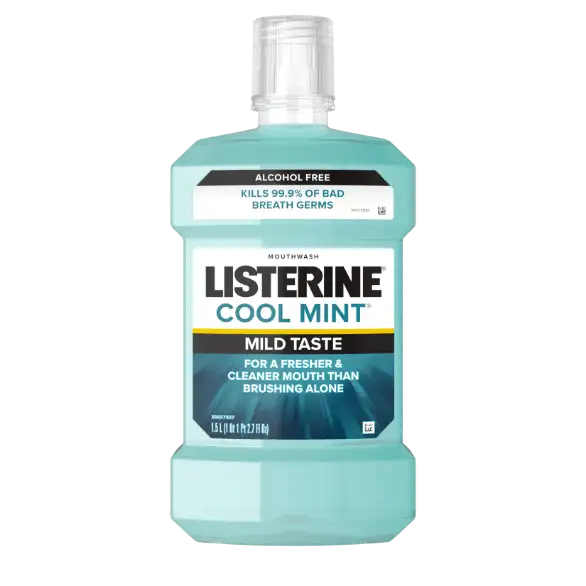
2. Alcohol Free Mouthwash

Alcohol Free Mouthwash After Drink
  • Eliminates bacteria without causing dryness.
  • Mint and herbal infused options work best.

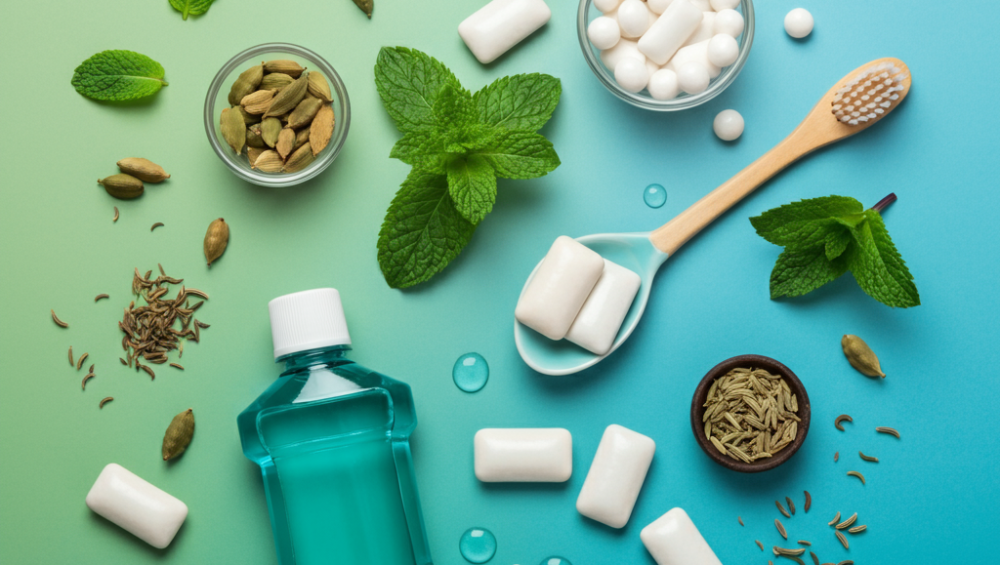
3. Natural Herbs (Cardamom, Clove, Fennel Seeds)

Mahaswaad Fennel Seeds (Saunf) | Whole Natural Fennel Seeds Saunf Indian  Spices. (Fennel Seed (Saunf) 200gm + Clove 100gm + Green Cardamom 50gm 50)  : ...
  • Chewing on these helps freshen breath naturally.
  • Clove also has antibacterial properties.

4. Chewing Gum & Mints

  • Sugar free gum boosts saliva production and freshens breath.
  • Strong mint flavors provide temporary relief.

5. Activated Charcoal Toothpaste

  • Helps remove alcohol residue from the tongue and teeth.
  • Charcoal absorbs odor
  • causing bacteria.

6. Water & Lemon

Water & Lemon After Drink
  • Hydrates the mouth and flushes out toxins.
  • Lemon boosts saliva and leaves a fresh scent.

Tips to Prevent Alcohol Breath

  • Drink Water: Stay hydrated to reduce dry mouth.
  • Eat While Drinking: Slows alcohol absorption and reduces odor.
  • Brush & Floss: Cleans residue from teeth and tongue.
  • Use a Mouth Freshener: A quick fix for instant freshness.

Alcohol breath can be embarrassing, but the right steps can help. Stay fresh and confident with the best after drink mouth fresheners!

Bad Breath: Common Causes, Effective Treatments, and How to Prevent It

Bad breath, also known as halitosis, is more than just an uncomfortable condition—it can affect your self-confidence, social interactions, and even your professional life. Whether it’s a temporary issue after that garlic-loaded lunch or a persistent problem affecting your daily life, bad breath is a concern we’ve all faced at some point.

The good news? Understanding the causes and solutions makes treating it much easier. This guide will take you through everything you need to know about combating bad breath, from identifying its sources to learning how to prevent it for good.


Understanding Bad Breath

What is bad breath?

Bad breath is an unpleasant smell coming from the mouth, often caused by bacteria, food particles, or medical conditions. Many people assume it’s just a sign of poor oral hygiene, but there are plenty of other factors that can play a role.

Common misconceptions:

  • Brushing once a day is enough to prevent it.
  • Chewing gum is a foolproof fix (spoiler alert: it’s not).
  • It only happens if you eat “smelly” foods.

What causes bad breath?

Bad breath happens when harmful bacteria thrive in the mouth, food particles decay, or in some cases, due to health issues in other parts of the body. To tackle it effectively, we need to recognize the causes first.


Common Causes of Bad Breath

1. Poor Oral Hygiene

  • Plaque and food particles build up between teeth and on gums.
  • Bacteria grow on the tongue and in hard-to-reach areas, producing sulfur compounds that cause an unpleasant smell.
  • Forgetting to floss allows trapped particles to linger.

Key takeaway: Good oral hygiene is your first line of defense against bad breath.

2. Dry Mouth (Xerostomia)

  • Saliva is essential for washing away bacteria and food particles.
  • When your mouth is too dry, bacteria reproduce more easily.

What causes dry mouth?

  • Side effects of medications.
  • Breathing through your mouth rather than your nose.
  • Dehydration due to insufficient water intake.

3. Dietary Factors

Beyond obvious foods like garlic or coffee, the quality of fats used in daily cooking can also influence digestion and, indirectly, breath freshness. Highly refined oils and heavily processed foods may be harder on digestion, sometimes contributing to lingering odors.

Many people therefore prefer traditional, minimally processed fats as part of a balanced diet. For example, traditionally prepared cow ghee is often chosen for its simplicity and ease of digestion when used in moderation.

4. Tobacco Use

Smoking or chewing tobacco doesn’t just cause bad odors directly. It also contributes to gum disease and reduced saliva flow, making matters worse.

5. Medical Conditions

Severe or chronic bad breath might indicate an underlying health problem, including:

  • Gum disease, tooth infections, or tonsillitis.
  • Systemic conditions like diabetes, which can cause a fruity or sweet odor.
  • Sinus infections or gastrointestinal disorders.

6. Dehydration

Without enough water, your body cannot produce enough saliva to cleanse your mouth effectively. The stagnation can lead to a build-up of odor-producing bacteria.


Effective Treatments for Bad Breath

Temporary remedies might include mints or mouthwash, but the real solution lies in tackling the root cause.

Short-term fixes

  • Mouthwashes can freshen breath, but they mainly mask odors instead of eliminating the source.
  • Chewing gum (especially sugar-free options with xylitol) increases saliva production for a temporary boost.

Long-term solutions

  1. Implement Better Oral Hygiene
  • Brush at least twice daily with fluoride toothpaste; don’t forget your tongue!
  • Floss daily to remove trapped food particles.
  1. Stay Hydrated
  • Drink plenty of water to maintain saliva production and keep your mouth fresh.
  • Aim for at least eight 8-ounce glasses per day.
  1. Seek Professional Dental Care
  • Regular check-ups help address underlying issues like gum disease or cavities.
  • Professional cleanings eliminate hardened plaque (tartar) that brushing can’t remove.

Preventing Bad Breath

Prevention is key when it comes to halitosis. Here are the habits you should include in your daily routine to keep bad breath at bay.

Build a Daily Oral Care Routine

  • Clean thoroughly with brushing, flossing, and tongue scraping.
  • Replace your toothbrush every 3–4 months.
  • Consider using an electric toothbrush for better results.

Watch What You Eat

  • Limit foods known to cause bad breath (e.g., garlic, onions).
  • Eat a balanced diet, and avoid prolonged low-carb regimens unless necessary for health reasons.
  • Incorporate breath-friendly foods like fresh fruits, vegetables, and herbs (parsley is a great natural breath freshener).

Stay Hydrated

  • Make water your go-to beverage. Limit sugary drinks, coffee, and alcohol.

Avoid Tobacco

  • Besides health benefits like reduced cancer risk, quitting tobacco brings instant improvements to how your breath smells.

When to Seek Professional Help

Sometimes, self-care isn’t enough. Here’s how to know when it’s time to book a dental appointment.

Signs You Need to See a Dentist

  • Persistent bad breath despite brushing and flossing.
  • Bleeding gums, tooth pain, or other unusual oral symptoms.

What to Expect from a Professional Visit

  • Diagnostic tests to determine the source of the bad breath (e.g., for gum disease or infections).
  • Tailored treatment plans, whether it involves deep cleaning, cavity treatments, or specialized referrals for underlying medical conditions.

Take Control of Your Oral Health Today

Bad breath doesn’t have to hold you back. By understanding the causes, adopting effective treatments, and following preventative measures, you can enjoy fresh breath and newfound confidence.

If you’re ready to make your oral health a top priority, share this post with loved ones who might benefit from these tips. A little knowledge can go a long way in ensuring everyone feels (and smells) their best!