
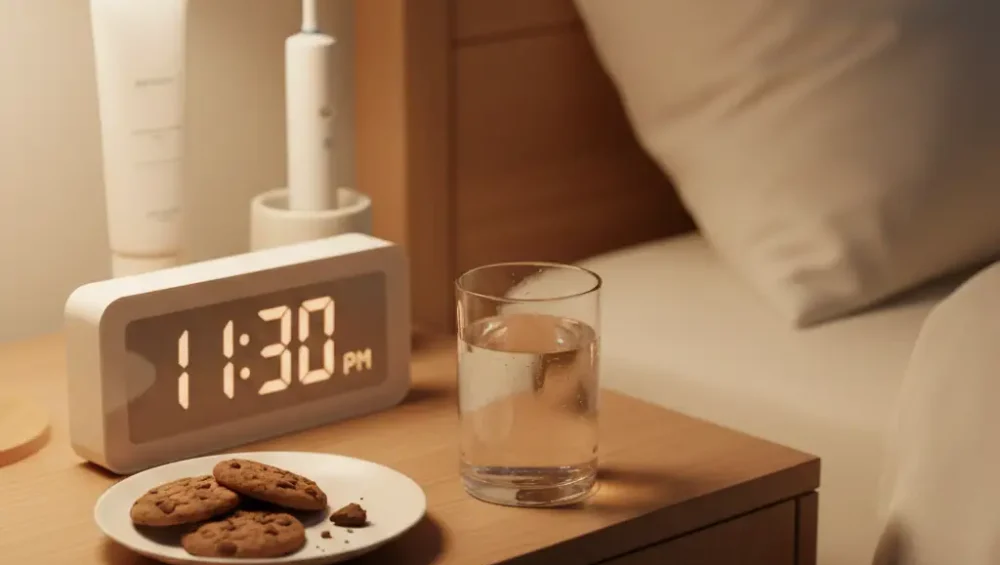
Late night snacking has quietly become part of modern routines. Long work hours, screen time, irregular schedules, and stress often push meals later into the evening. Many people reach for quick bites before bed without considering how this small habit affects overall oral health.
While an occasional snack may seem harmless, repeated nighttime eating can influence breath quality more than daytime meals. The mouth functions differently at night. Saliva production slows down, and the natural cleansing process weakens. When food particles remain in the mouth during this period, bacteria have more time to break them down and release odor-causing compounds.
Understanding this connection is important for anyone focused on maintaining fresh breath. Timing of meals can be just as influential as food choices themselves.
How Nighttime Eating Affects Oral Biology
The oral environment changes significantly as the body prepares for sleep. During the day, saliva continuously washes away food debris and neutralizes acids. At night, saliva flow naturally decreases. This creates a drier environment where bacteria can multiply more easily.
When late night snacks leave behind sugars or starches, oral bacteria begin breaking them down. This process produces volatile sulfur compounds, which are primarily responsible for unpleasant breath odors. Without adequate saliva to dilute or rinse these byproducts, the smell can become more noticeable by morning.
Acid production is another concern. As bacteria digest carbohydrates, acids are released that temporarily lower the pH level in the mouth. With limited saliva to buffer this acidity, enamel may be exposed to longer acid contact. Over time, this contributes not only to tooth sensitivity and decay but also to persistent breath concerns.
The biological shift at night explains why the same snack may have a greater impact before bed than during the day.
Research Insights: Late Night Eating and Oral Health
Studies examining eating patterns and oral hygiene behaviors suggest that frequent nocturnal snacking is linked to higher plaque accumulation and increased risk of cavities. When food intake occurs close to bedtime without brushing afterward, bacteria remain active for extended hours.
Research also indicates that individuals who snack regularly at night are more likely to experience dry mouth symptoms. Reduced saliva combined with lingering food particles creates ideal conditions for odor formation. Over time, this pattern may contribute to gum irritation, enamel erosion, and chronic bad breath.
Although occasional late eating may not cause immediate harm, repeated exposure without proper nighttime oral care increases the likelihood of breath-related issues. Recognizing these research-backed insights allows for better decisions around meal timing and oral hygiene routines.
Why Late Night Snacking Makes Breath Worse Than Daytime Eating
Breath often feels noticeably heavier in the morning compared to after daytime meals. The reason lies in how the mouth behaves during sleep. Saliva production drops significantly at night, reducing the natural cleansing and antibacterial support it normally provides. Without this protective flow, odor-causing bacteria multiply more freely.
When a snack is consumed late and brushing does not follow, food particles remain trapped between teeth and along the tongue’s surface for hours. During the day, speaking, drinking water, and swallowing help clear debris. At night, these activities slow down or stop entirely, giving bacteria uninterrupted time to break down sugars and proteins.
Carbohydrates and sugary foods intensify the problem. They serve as fuel for bacteria, which release acids and sulfur compounds as byproducts. Since there is limited saliva to buffer these acids, the mouth becomes a more favorable environment for both odor and enamel stress. This is why late night snacking often has a stronger and longer-lasting impact on breath compared to daytime eating.
Worst Late Night Snack Choices for Breath and Teeth
Certain snack choices can worsen breath and increase oral health risks when eaten before bed.
Sugary treats and desserts such as chocolates, pastries, and candies provide direct fuel for bacteria. The longer sugar remains on teeth overnight, the more acids are produced.
Sticky foods like caramel, dried fruits, or chewy snacks cling to enamel and are harder to remove without brushing. Their prolonged contact increases both odor and cavity risk.
Refined starches including chips and crackers break down into simple sugars in the mouth. These particles can lodge between teeth and continue feeding bacteria for hours.
Acidic beverages like soft drinks or flavored juices further lower oral pH. Combined with reduced saliva at night, this creates an environment that supports enamel weakening and unpleasant breath.
Limiting these choices late in the evening can significantly reduce overnight odor buildup.
Healthier Alternatives When You Must Snack
Sometimes hunger late at night is unavoidable. Choosing smarter options can reduce the impact on breath health.
Raw vegetables such as cucumber or carrots stimulate saliva and help mechanically clean teeth surfaces. Their low sugar content makes them safer before bedtime.
Cheese or plain yogurt may help neutralize acids due to their calcium and protein content. These foods are less likely to feed odor-producing bacteria compared to sugary snacks.
Unsweetened nuts in small portions are less adhesive than sticky sweets and do not dissolve into sugars as quickly as refined carbohydrates.
Water remains the simplest protective measure. Drinking water after a snack helps rinse away loose food particles and supports saliva function.
Even when healthier choices are made, brushing before bed remains essential. Pairing mindful snack selection with proper nighttime oral hygiene supports fresher breath by morning.
Nighttime Oral Hygiene Practices That Protect Breath
A consistent bedtime routine plays a critical role in controlling breath quality. Brushing thoroughly before sleep removes plaque and food debris that bacteria rely on overnight. Using fluoride toothpaste supports enamel strength while reducing acid-related damage.
Flossing is equally important. Many odor-causing particles settle between teeth where a toothbrush cannot reach. Cleaning these areas prevents bacteria from breaking down trapped food for hours during sleep.
Tongue cleaning often gets overlooked. The tongue’s textured surface can hold a significant amount of odor-producing bacteria. Gently cleaning it before bed reduces the buildup that contributes to morning breath.
If brushing immediately after a late snack is not possible, rinsing with water can offer temporary relief by loosening debris. However, a complete brushing routine before sleep remains the most effective protection.
Tips to Break the Late Night Snacking Habit
Reducing late night eating can significantly improve both breath freshness and overall oral health. Small routine adjustments often create lasting results.
Start by eating balanced meals earlier in the day. Meals rich in fiber, protein, and healthy fats promote satiety and reduce nighttime cravings. Many late snacks are driven by habit rather than genuine hunger.
Staying hydrated throughout the evening can also support better control. Thirst is sometimes mistaken for hunger, and drinking water may eliminate unnecessary snacking urges.
Creating a structured bedtime routine signals that eating time is over. Brushing teeth earlier in the evening can serve as a psychological cue to avoid additional food intake. If occasional freshness support is needed before bed, you can explore sugar-free options in the mouth fresheners collection at https://mountainbreeze.in/shop/ designed for convenient daily use.
Limiting screen time before sleep may further reduce mindless snacking, as distracted eating often leads to unnecessary sugar consumption.
Breaking the pattern gradually, rather than abruptly, makes the habit easier to manage long term. For readers who want to understand the philosophy behind clean, mindful freshness solutions, you can learn more about the brand’s approach on the About Us page at https://mountainbreeze.in/about-us/.
When to Consult a Dental Professional
Occasional morning breath is normal. However, persistent bad breath despite good hygiene and mindful eating may indicate an underlying issue.
Chronic halitosis can be linked to gum disease, untreated cavities, dry mouth conditions, or plaque accumulation beneath the gumline. These concerns require professional evaluation rather than temporary solutions.
If symptoms such as bleeding gums, tooth sensitivity, or consistent unpleasant taste accompany bad breath, scheduling a dental checkup becomes important. Early detection prevents more serious complications and helps restore oral balance.
If you have specific product-related questions or need personalized assistance regarding freshness solutions, you can reach out directly through the contact page at https://mountainbreeze.in/contact-page/. Professional guidance ensures that breath concerns are addressed at their root rather than repeatedly masked.
Frequently Asked Questions About Late Night Snacking and Breath
Does eating close to bedtime always cause bad breath?
Not always, but it increases the likelihood, especially if brushing does not follow and sugary or starchy foods are consumed.
Can drinking water after a late snack prevent breath issues?
Water helps rinse away loose particles and supports saliva function, but it does not replace brushing and flossing.
Is brushing twice at night necessary if snacking late?
Brushing once thoroughly before sleep is essential. If a snack occurs after brushing, cleaning teeth again is recommended.
Are sugar-free snacks safe before bed?
They are generally better than sugary options, yet any food left overnight can still contribute to bacterial growth.
Why is morning breath stronger after late snacking?
Reduced saliva flow during sleep allows bacteria to break down leftover food for extended periods, producing odor-causing compounds.
Better Timing for Better Breath
Late night snacking may seem harmless, yet it can significantly influence breath health due to reduced saliva flow and prolonged bacterial activity during sleep. Choosing smarter foods, maintaining consistent nighttime hygiene, and adjusting eating patterns can dramatically reduce overnight odor buildup. Small timing changes often lead to noticeable improvements in freshness and overall oral comfort.