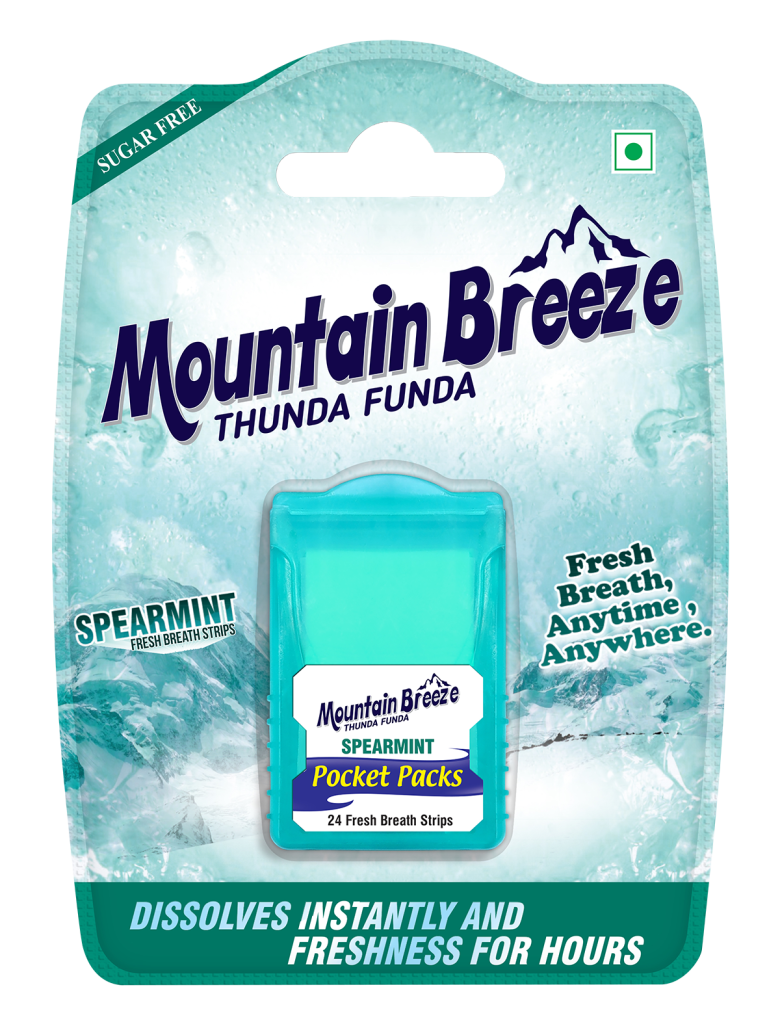

Mountain Breeze breath freshener strips with mint and ice for fresh breath anytime, anywhere

Breath Freshener: Habits, Remedies, and Products for Fresh Breath

Why a Breath Freshener Matters

Fresh breath can make every interaction smoother, whether it is in the workplace, at social events, or even at home. Bad breath can stem from food choices, oral hygiene habits, or health conditions, which is why choosing the right breath freshener and maintaining healthy routines is essential for feeling confident throughout the day.

Common Causes of Bad Breath

Understanding the root causes of bad breath helps in choosing the most effective breath freshener:

  • Food and Beverages – Garlic, onions, coffee, and alcohol can leave long-lasting odors in the mouth and bloodstream.
  • Bacterial Build-Up – Food debris and plaque create an environment where odor-causing bacteria thrive.
  • Dry Mouth – Reduced saliva flow, often caused by dehydration or medication, allows bacteria to multiply.
  • Tonsil Stones – Small white or yellow deposits in the tonsils can produce strong odors.
  • Medical Conditions – GERD, diabetes, sinus infections, and liver disease can all contribute to chronic halitosis.

Everyday Habits That Work Better Than Any Breath Freshener

The most effective way to avoid bad breath is through consistent oral care. These daily habits play a crucial role:

  • Brushing Twice Daily – Clean not just the teeth but also the tongue, where bacteria accumulate.
  • Flossing Once a Day – Removes hidden food particles that brushing misses.
  • Tongue Cleaning – A tongue scraper can eliminate sulfur compounds more effectively than a toothbrush.
  • Drinking Water – Staying hydrated keeps saliva flowing and reduces dryness.
  • Routine Dental Visits – Professional cleaning helps control plaque and prevent long-term odor issues.

Quick Breath Freshener Options That Work Instantly

Sometimes you need a fast fix. These options provide reliable freshness on the go:

  • Sugar-Free Gum – Chewing gum stimulates saliva, which naturally washes away odor-causing particles.
  • Breath Mints and Strips – Compact and quick, perfect after meals or before meetings.
  • Mouthwash
    • Cosmetic mouthwash masks odor temporarily.
    • Therapeutic mouthwash targets bacteria, plaque, and gum issues for longer freshness.
  • Natural Remedies – Herbs and spices like fennel seeds, cloves, and cardamom are traditional and effective breath fresheners.

Comparing Different Types of Breath Fresheners

Each option offers unique benefits depending on your lifestyle:

Type of Breath FreshenerBest Use CaseEffect DurationKey Benefit
Sugar-Free GumWork, travelMediumStimulates saliva flow
Breath Strips or MintsAfter mealsShortInstant and discreet
MouthwashMorning or eveningLongFights bacteria and plaque
Natural Herbs & SeedsDaily useMediumSafe, natural, chemical-free
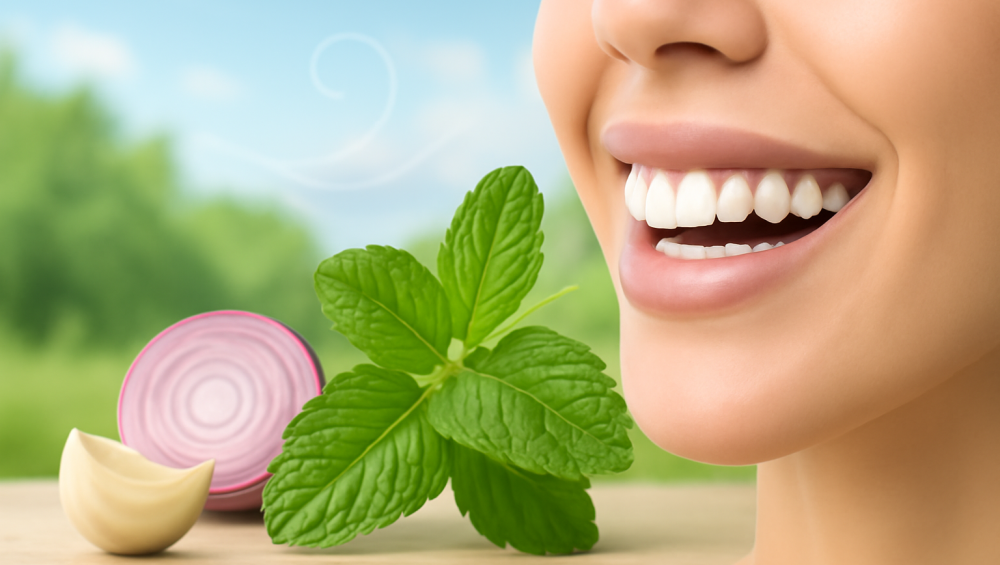
Smiling woman with mint, onion, and garlic beside Mountain Breeze branding, promoting instant mouth freshener benefits

How to Use an Instant Mouth Freshener After Onion or Garlic

Why Onion and Garlic Breath Is So Stubborn

Onion and garlic release sulfur compounds that enter your bloodstream, not just your mouth. Brushing alone doesn’t remove them. These compounds re-emerge through your lungs and skin, which is why a strong garlic meal lingers long after you’ve eaten.

1. Natural Instant Mouth Freshener: Apples, Spinach & Basil

Fresh produce like apples, raw spinach, or basil leaves work as instant mouth fresheners by neutralizing sulfur compounds before they spread. These polyphenol-rich foods are most effective when eaten with or right after the meal.

2. Green Tea and Lemon Water for Midday Freshness

Green tea contains catechins that reduce bacteria responsible for bad breath. Lemon water increases saliva flow and balances pH. Both make excellent instant mouth freshener options you can sip post-meal for a cleaner breath feel.

3. Chew Fennel Seeds or Cardamom

Indian home remedies like fennel seeds and cardamom pods are rich in aromatic oils. They freshen the breath instantly, stimulate digestion, and double as natural after-meal detoxifiers. Carry a small pouch for on-the-go use.

4. Brush, Floss, and Clean Your Tongue

Oral hygiene is key when battling onion and garlic breath. Brushing and flossing remove food particles and odor sources. Scraping your tongue eliminates bacteria and sulfur build-up that cause most persistent smells.

5. Mouthwash with Essential Oils or Chlorine Dioxide

If you’re reaching for an instant mouth freshener in liquid form, choose a rinse with chlorine dioxide or essential oils like peppermint or eucalyptol. These ingredients not only mask smell but chemically break down odor molecules.

6. Stay Hydrated Throughout the Day

Water flushes bacteria and food debris while preventing dry mouth. Sip frequently, especially after meals, to support natural saliva production—the body’s own instant mouth freshener system.

7. Drink Milk With Garlic Meals

Whole milk, especially when paired with garlic-heavy meals, reduces the intensity of sulfur compounds in the mouth and bloodstream. Drinking milk while eating is more effective than after.

8. Sugar-Free Gum and Herbal Lozenges

Chewing gum boosts saliva and scrubs away lingering food bits. Go for sugar-free variants with xylitol or mint oil. Herbal lozenges made with clove, cinnamon, or licorice also act as instant mouth fresheners without artificial chemicals.

9. Avoid Alcohol-Based Rinses

Alcohol dries the mouth, making odors worse over time. Alcohol-free rinses maintain hydration and allow your saliva to work more effectively as a natural odor neutralizer.

10. Focus on Gut-Friendly Foods

Bad breath from garlic and onion isn’t always oral it can be digestive. Include yogurt, kefir, or probiotics in your routine to support gut health and reduce breath issues from within.

Natural Ways to Keep Your Breath Fresh Without a Toothbrush

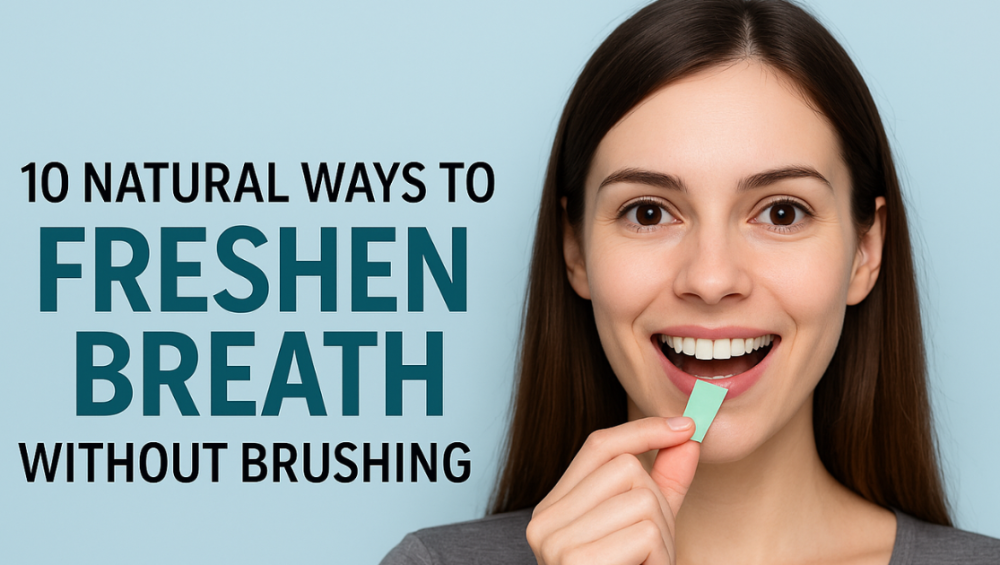
10 Natural Ways to Keep Your Breath Fresh Without a Toothbrush

We’ve all had those moments—you’re rushing to work, heading to a meeting, or traveling, and suddenly realize you forgot your toothbrush. While brushing is ideal, there are still plenty of ways to freshen breath without brushing.

Here are 10 easy and natural ways to freshen your breath anytime, anywhere.

1. Rinse With Water

Rinse With Water

One of the easiest ways to freshen your breath without brushing is to rinse your mouth with water. It helps dislodge food particles and reduces bacteria buildup that causes bad breath. Swish thoroughly after meals to cleanse your mouth and keep it feeling fresh.

2. Use a Paper Towel for a Quick Wipe

Use a Paper Towel for a Quick Wipe

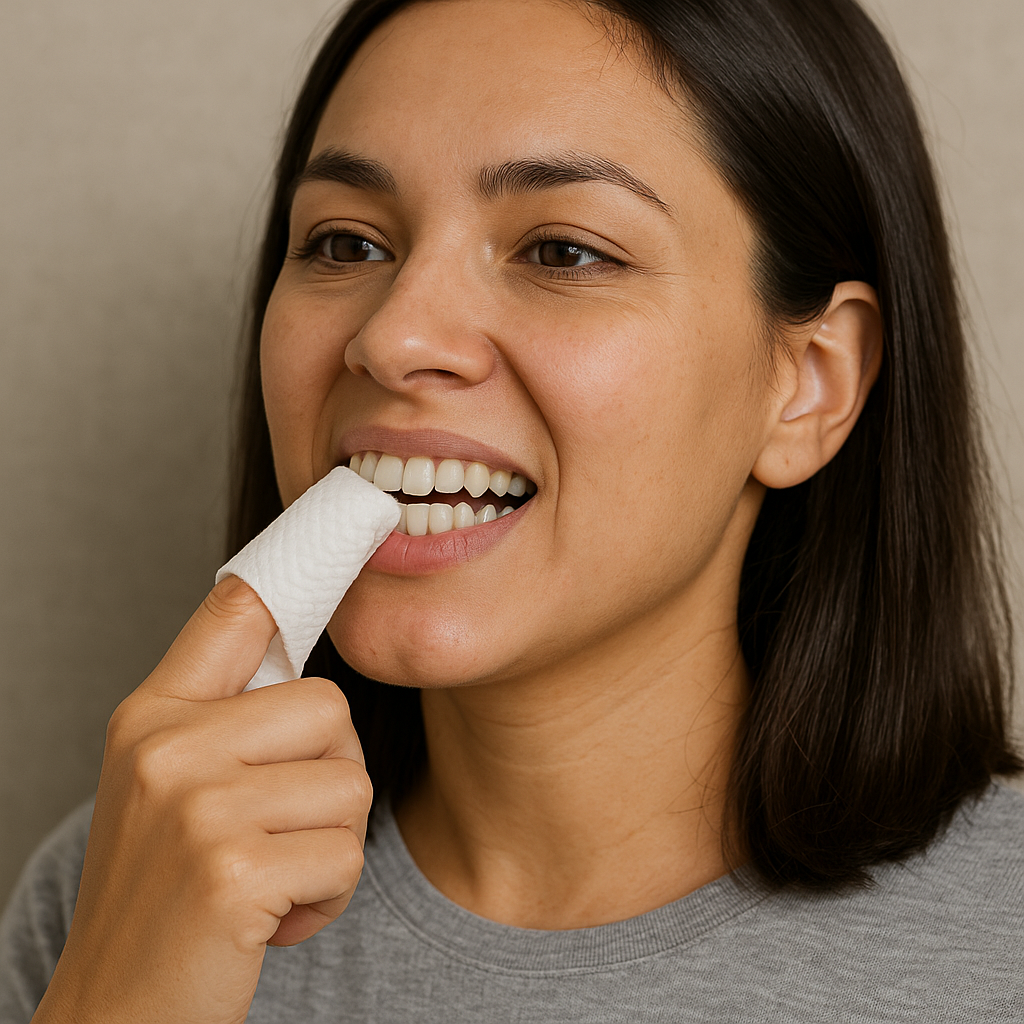
If you’re in a pinch, wrap a clean paper towel around your finger and gently rub your teeth, gums, and tongue. This quick method can help remove surface plaque and offer a cleaner mouthfeel when you can’t brush.

3. Chew Sugar-Free Gum or Mints

Chew Sugar-Free Gum or Mints

Chewing sugar-free gum or sucking on sugar-free mints increases saliva production, which naturally rinses away food and bacteria. Keeping your mouth moist is essential to freshen breath without brushing, especially if dry mouth is an issue.

4. Floss to Remove Hidden Food Particles

Floss to Remove Hidden Food Particles

Flossing isn’t just for bedtime. It’s a powerful way to eliminate trapped food between teeth, one of the main causes of bad breath. Always carry a floss pick or travel-sized floss to freshen your breath discreetly on the go.

5. Avoid Breath-Offending Foods

Avoid Breath-Offending Foods

Foods like garlic, onions, and certain spices contain sulfur compounds that linger in your system and are exhaled through your lungs. If brushing isn’t an option soon after eating, it’s smart to skip these to avoid foul-smelling breath.

6. Snack on Crunchy Fruits and Vegetables

Snack on Crunchy Fruits and Vegetables

Fruits like apples and raw vegetables such as carrots and celery act as natural toothbrushes. Their fibrous textures scrub away food particles and stimulate saliva flow—two important elements when trying to freshen breath without brushing.

Herbs like mint or parsley can also act as natural breath fresheners, thanks to their chlorophyll-rich content and antibacterial properties.

7. Scrape Your Tongue

Scrape Your Tongue

Your tongue harbors a lot of bacteria that contribute to bad breath. Using a tongue scraper helps reduce odor-causing buildup. If you’re without one, the back of a spoon works just as effectively in a pinch.

8. Use Alcohol-Free Mouthwash

Use Alcohol-Free Mouthwash

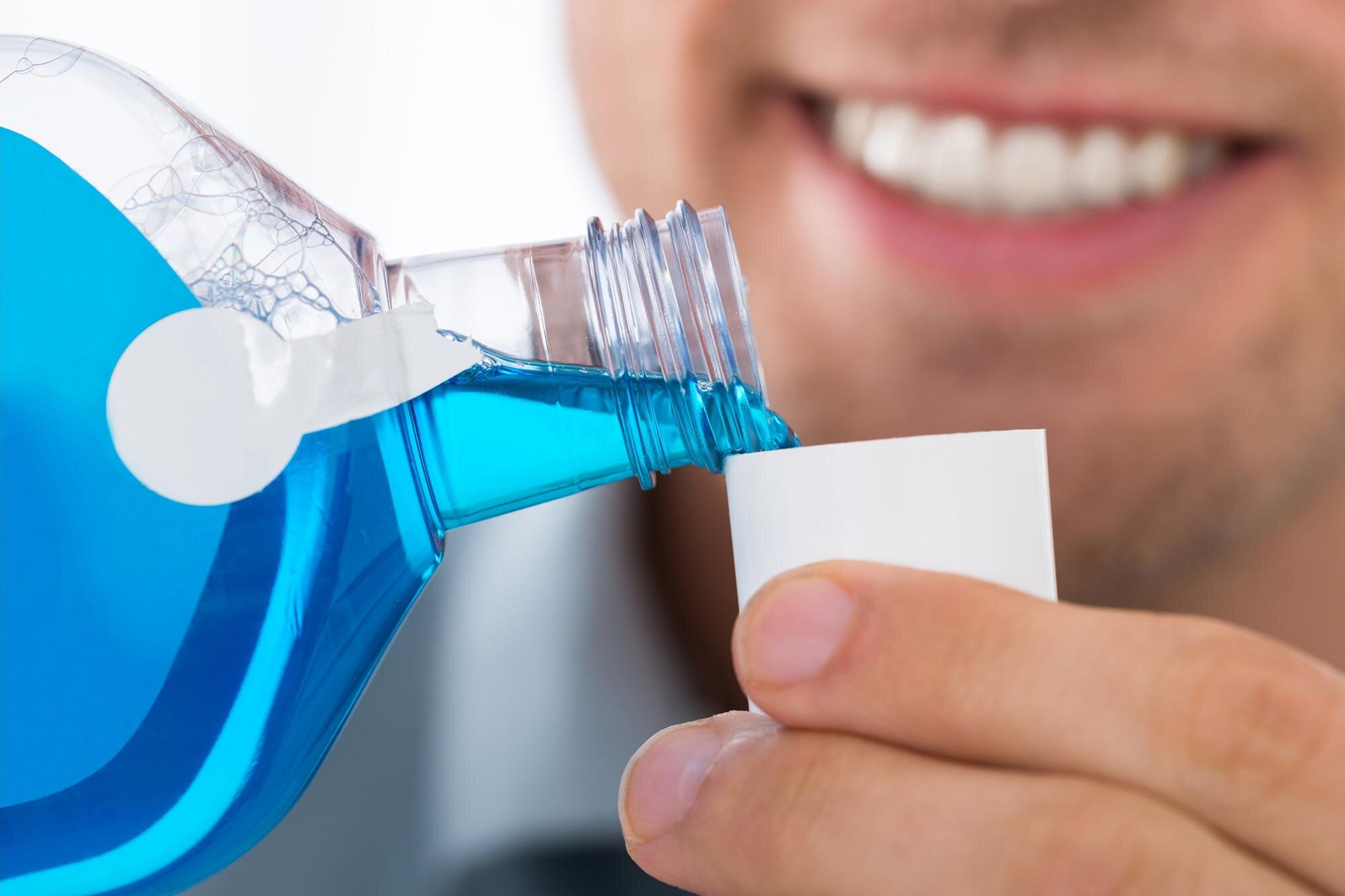
Mouthwash can instantly freshen breath without brushing, especially when brushing isn’t possible. Choose an alcohol-free version to avoid drying out your mouth, and use it after meals or throughout the day as needed.

9. Quit Smoking

Quit Smoking

Smoking not only stains your teeth—it also dries out your mouth and contributes to chronic bad breath. Quitting is a long-term step toward fresher breath and overall improved oral health.

10. Try Mountain Breeze Breath Freshener Strips

Try Mountain Breeze Breath Freshener Strips

For the ultimate portable solution to freshen breath without brushing, try Mountain Breeze breath freshener strips. These sugar-free, minty strips dissolve instantly on your tongue and deliver fresh breath in seconds. Perfect for meetings, dates, or while traveling, they fit easily into your pocket or purse—no water, gum, or toothbrush needed.