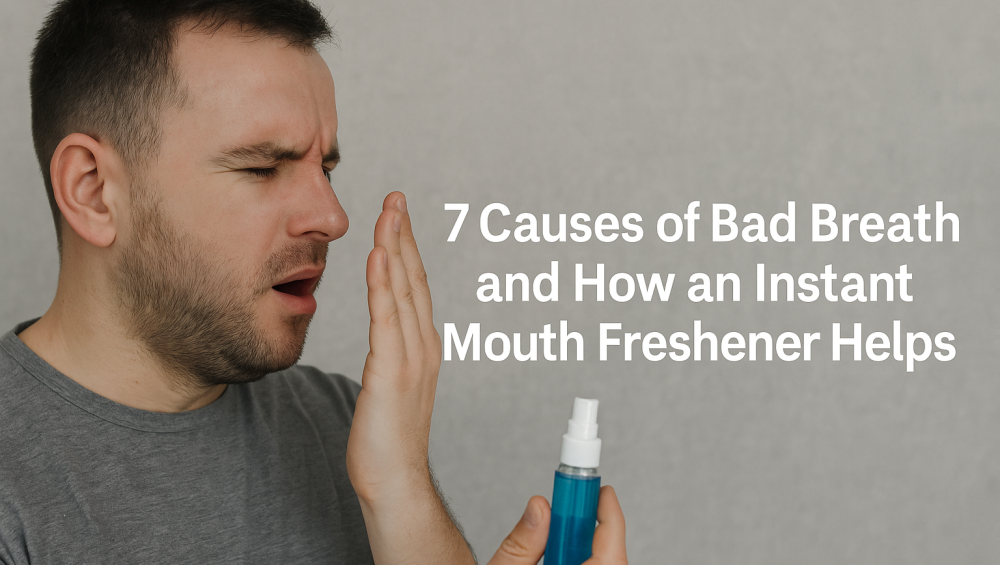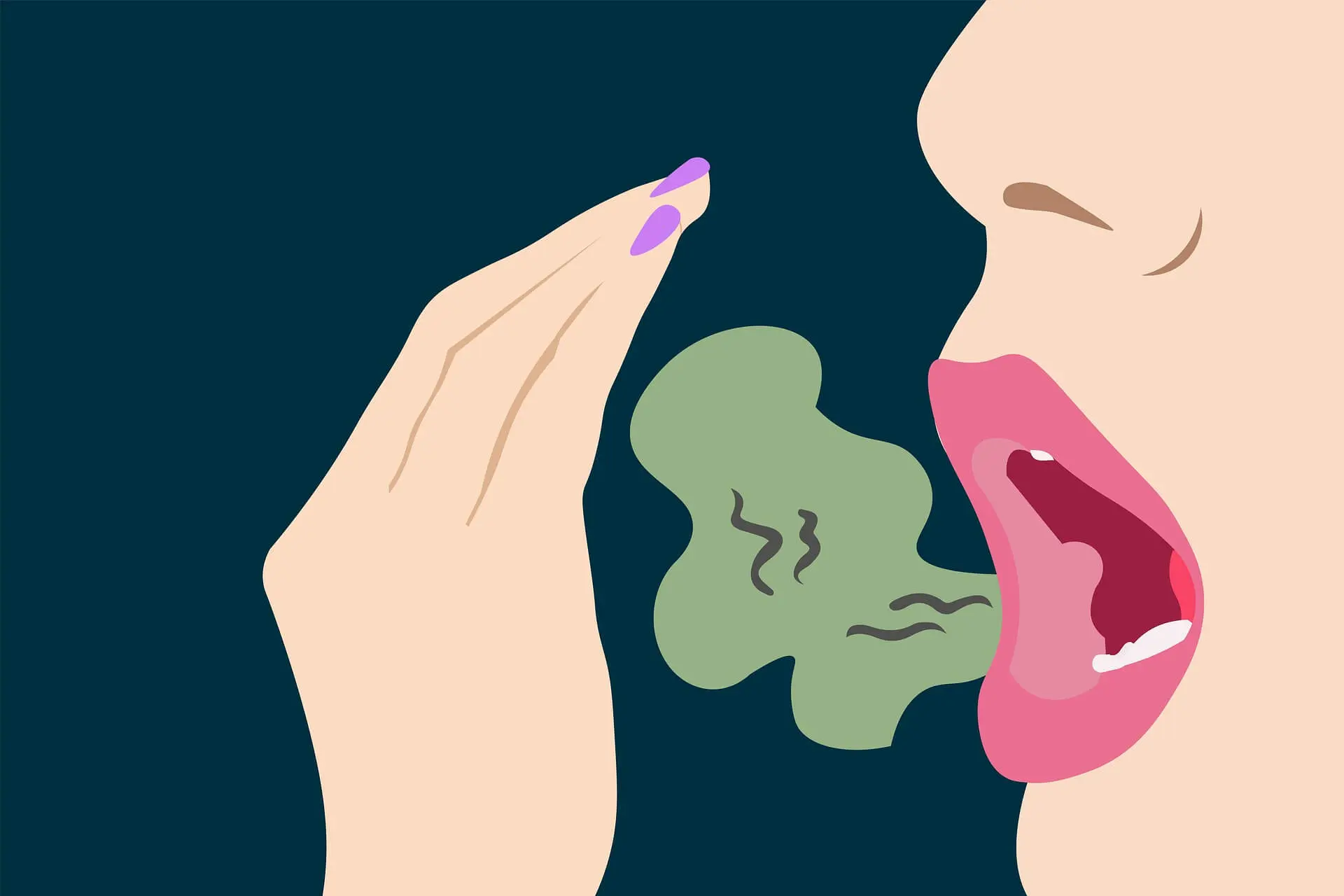

Morning breath is something almost everyone deals with after waking up, yet it is often misunderstood. It develops naturally during sleep when the mouth becomes less active, saliva flow slows, and bacteria begin to break down tiny food particles left behind from the previous day. These combined biological processes release odor molecules that create the familiar stale smell many notice in the morning. Despite the discomfort it causes, morning breath is usually not a reflection of poor hygiene. It is a normal, manageable occurrence, and understanding its causes helps remove the unnecessary stigma or misconceptions surrounding it.
What Causes Morning Breath
Overnight Saliva Drop
Saliva plays a key role in cleansing the mouth throughout the day. It washes away food particles, balances pH levels, and slows bacterial growth. During sleep, however, saliva production drops significantly. With less moisture available, the mouth becomes dry, giving bacteria more freedom to multiply. This dryness accelerates the release of odor causing compounds, making morning breath more noticeable
Bacterial Breakdown During Sleep
Even after brushing at night, some microscopic food particles remain on the tongue, gums, and inner cheeks. As the body rests, bacteria continue to break down these remnants. In the absence of active saliva flow, sulfur based compounds accumulate and create the distinct smell associated with morning breath. This process is natural and happens to everyone regardless of how well they clean their teeth
Mouth Breathing While Sleeping
Sleeping with the mouth open adds an extra layer of dryness to the mouth. Whether due to congestion, snoring, or sleep habits, this constant airflow reduces moisture levels even further. A dry mouth allows bacteria to thrive and produces stronger odors by morning. Individuals who breathe through the mouth at night often notice more intense morning breath as a result
Diet, Hydration, and Lifestyle Factors
What you eat or drink before bed can influence how your breath smells the next morning. Foods like onions, garlic, spices, and dairy leave strong odor molecules that linger on the tongue. Dehydration reduces saliva production, while late night snacking gives bacteria more material to break down during sleep. These factors combine to enhance the intensity of morning breath and make it feel harder to manage
Popular Myths About Morning Breath
Myth 1: Morning Breath Only Happens to People With Poor Oral Hygiene
Even individuals with strong brushing and flossing habits experience morning breath. It is a natural result of the body’s reduced nighttime saliva flow, not an indicator of neglect
Myth 2: Brushing at Night Eliminates Morning Breath Completely
Brushing helps reduce bacteria and food particles, but it cannot stop natural processes from occurring while you sleep. Bacteria continue to break down what remains, which means some odor is inevitable by morning
Myth 3: Mouthwash Before Bed Prevents Morning Odor
Mouthwash can provide short term freshness, but its effects fade within a few hours. As the mouth dries out overnight, bacteria regain activity, and odor begins to form again despite using mouthwash before bed
Myth 4: Morning Breath Means Something Is Wrong With the Teeth
Routine morning breath is common and not typically linked to dental problems. However, persistent or unusually strong odor could indicate gum issues or infection, which would require professional attention
Myth 5: Only Certain People Have Morning Breath
Morning breath is universal because it stems from natural biological functions that occur during sleep. Everyone experiences a drop in saliva flow and increased bacterial activity overnight, making morning odor a shared human experience
Facts Everyone Ought to Know
Morning Breath Is a Natural Process, Not a Mistake
Morning breath forms because the body slows saliva production during sleep. With less moisture available to cleanse the mouth, bacteria become more active and release sulfur based compounds that create odor. This is a normal biological response rather than a sign of something being wrong
Tongue Cleaning Makes a Noticeable Difference
A large portion of odor causing bacteria live on the tongue’s surface, especially toward the back where debris easily settles. Cleaning the tongue helps remove these layers of buildup, reducing the intensity of morning breath and making the mouth feel fresher overall
Hydration Plays a Key Role in Reducing Morning Odor
Saliva acts as the mouth’s natural cleansing system. Staying hydrated supports healthier saliva flow, which helps wash away odor molecules and maintain a more balanced environment. When hydration drops, dryness increases and morning breath becomes stronger
Food Choices at Night Directly Influence Next Morning’s Breath
Certain foods leave behind powerful odor compounds that stay active for hours. Onions, garlic, spices, dairy, alcohol, and sugary items tend to linger on the tongue and soften the mouth’s pH balance. Eating these late at night gives bacteria more material to break down while you sleep, leading to more noticeable morning breath
Using a Mint Mouth Freshener Helps Reset Breath After Waking Up
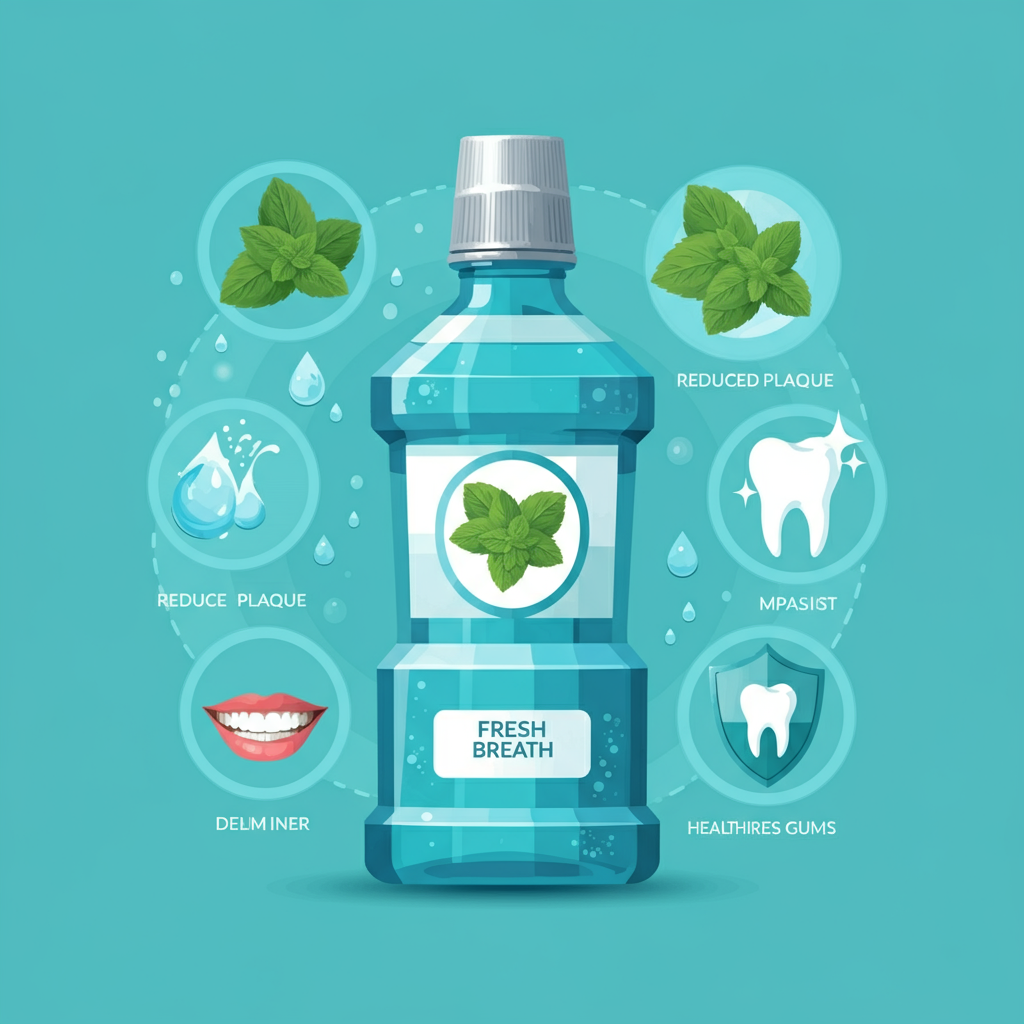
A mint mouth freshener can provide quick relief from morning odor by neutralizing sulfur compounds and refreshing the tongue. Mint based options offer an instant cooling effect that wakes up the mouth and prepares it for brushing. Products from brands like Mountain Breeze at mountainbreeze.in make this step even easier as part of a simple, confidence boosting morning routine
How an Instant Mouth Freshener Supports Morning Freshness
Quick Action Right After Waking Up
An instant mouth freshener dissolves quickly and spreads active ingredients across the mouth, cutting through stale morning odors before you even reach for your toothbrush. This fast activation helps neutralize lingering compounds and offers immediate freshness
Helps Manage Dryness After a Full Night’s Sleep
Sleep naturally reduces saliva flow, leaving the mouth dry by morning. Instant fresheners help stimulate moisture and create a cooling sensation that makes the mouth feel less dry. This boost in moisture also limits bacterial activity during the first hour of the day
Useful for People Who Need Immediate Freshness Early in the Day
Some mornings begin with early meetings, workouts, commutes, or travel plans. In such situations, there’s little time for a full oral care routine right away. An instant mouth freshener helps you feel prepared and comfortable as you step into these early commitments
Complements Brushing, Not a Replacement
While instant fresheners offer quick relief, they do not replace brushing, flossing, or tongue cleaning. Instead, they support a stronger oral hygiene routine by bridging the gap between waking up and completing your morning care. This makes them a helpful add on rather than a standalone solution
When Morning Breath Might Signal a Deeper Issue
Morning breath is usually harmless, but in some cases it can point to underlying concerns that need attention. Understanding when odor goes beyond the normal overnight process helps ensure that oral health issues are not overlooked
Gum Disease or Infection
Persistent morning breath accompanied by bleeding gums, swelling, or discomfort may indicate gum inflammation or infection. These conditions allow bacteria to accumulate beneath the gumline, producing strong odors that do not improve with regular brushing or fresheners
Untreated Cavities
Cavities trap food particles and allow bacteria to grow inside damaged areas of the tooth. This buildup often results in consistent bad breath, especially in the morning. If odor persists despite good hygiene, a dental checkup is important to identify hidden decay
Sinus or Tonsil Issues
Sinus infections, allergies, or post nasal drip can introduce mucus into the throat and mouth, creating a strong, stale odor upon waking. Tonsil stones can also trap bacteria and emit noticeable smell. These issues require medical evaluation rather than oral hygiene adjustments alone
Chronic Dry Mouth Conditions
Some individuals experience prolonged dryness due to medication, dehydration, or reduced salivary gland function. When dry mouth persists through day and night, morning breath tends to become more severe. Chronic dryness should be assessed by a healthcare professional to prevent long term complications
If morning breath remains strong even after improving oral care habits, hydration, and diet, a professional evaluation becomes important. Dental or medical guidance can identify deeper causes and help restore freshness more effectively
Practical Tips to Reduce Morning Breath
Simple adjustments in daily and nighttime habits can noticeably improve morning freshness. These small steps support healthier saliva flow, reduce bacterial buildup, and reset the mouth before sleep
Nighttime brushing and flossing to remove debris before bacteria can break it down overnight
Tongue cleaning to eliminate odor causing bacteria that settle on the tongue’s surface
Hydration before bed to support natural saliva activity while you sleep
Avoiding late night foods that cause odor, especially onions, garlic, dairy, and heavy spices
Keeping water accessible in the morning to jumpstart moisture and wash away stale compounds
Using a mint mouth freshener or an instant mouth freshener for immediate freshness when waking up or before brushing
Final Takeaway
Morning breath is a natural outcome of the body’s overnight processes and happens to everyone. It becomes manageable with simple hygiene habits, proper hydration, mindful nighttime eating, and quick freshness tools like mint or instant fresheners. With the right steps, you can start each morning feeling more comfortable, confident, and prepared for the day ahead.