
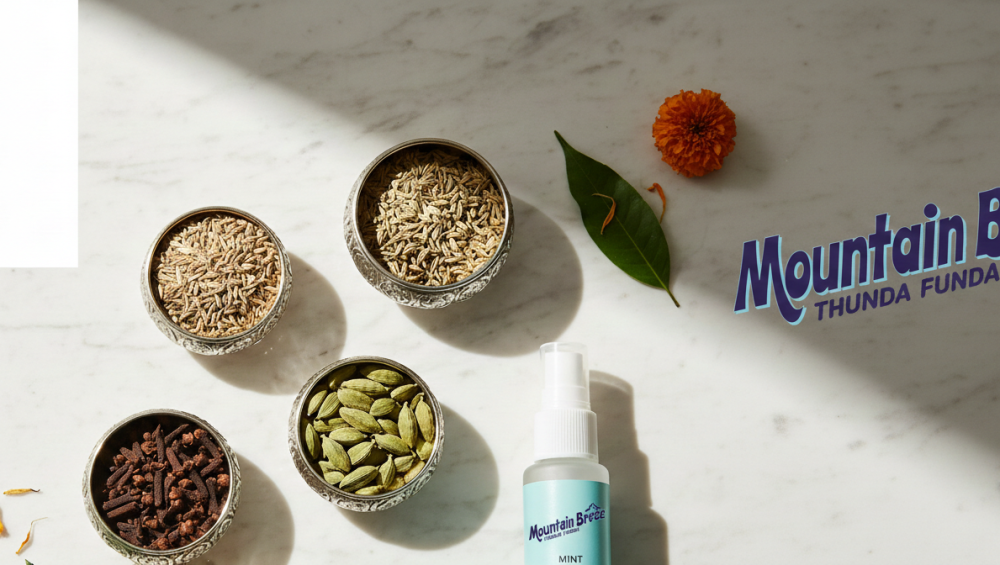
In India, finishing a meal often ends with something aromatic and refreshing. Whether at home, in restaurants, at weddings, or during festive gatherings, offering a mouth freshener after food is a familiar ritual. This tradition is not only about taste but also about comfort, digestion, and social confidence.
Indian meals are rich in spices, onions, garlic, dairy, and strong flavors. While these ingredients create depth and satisfaction, they can also leave behind lingering odors. Tea and coffee consumed after meals further intensify this effect. As a result, many people look for a quick way to reset their breath immediately after eating.
Using a mouth freshener after food in India is not a sign of poor hygiene. It is a practical habit shaped by culinary culture and social interaction. From traditional mukhwas to modern sugar free strips, the goal remains the same: to restore freshness and feel comfortable in conversations that follow.
What Mouth Freshener After Food Means in India
The concept of a mouth freshener after food in India has deep cultural roots. Traditionally, small bowls of mukhwas are placed on dining tables. These mixtures often contain fennel seeds, cardamom, coriander seeds, sesame, coconut flakes, or sugar coated blends. Guests are encouraged to take a small portion after finishing their meal.
Historically, these ingredients were chosen not only for aroma but also for digestive comfort. Fennel and cardamom, for example, are commonly associated with soothing the stomach and reducing heaviness after rich meals. The refreshing taste helps cleanse the palate and remove strong aftertastes.
Over time, this custom evolved beyond homemade blends. Packaged mukhwas, flavored variants, chewing gums, mints, and more recently instant dissolving strips became widely available. Today, the idea of a mouth freshener after food in India includes both traditional and modern formats. The purpose remains consistent, but the delivery has adapted to faster lifestyles and urban routines.
Common Ingredients in Indian After Food Fresheners and How They Work
Indian after food fresheners are built around aromatic seeds and cooling agents. Each ingredient contributes in a specific way.
Fennel seeds, known as saunf, are one of the most common components. Their natural sweetness and mild aroma help neutralize strong food odors. Chewing fennel also stimulates saliva, which naturally cleanses the mouth.
Cardamom, or elaichi, offers a strong fragrance that quickly masks lingering smells from onions or garlic. Its essential oils create a pleasant cooling effect that refreshes the breath.
Coriander seeds and sesame seeds are sometimes included for texture and subtle aroma. Ajwain may be added in certain regional mixes, especially after heavy or oily meals, due to its digestive associations.
Modern fresheners often include mint extracts or menthol. Mint provides an immediate cooling sensation by activating cold receptors in the mouth. This sensory effect makes breath feel cleaner and lighter within seconds.
However, many commercially available mukhwas mixes contain sugar or glazed coatings. While these improve taste, frequent use of sugary options may encourage bacterial activity in the mouth. For this reason, sugar free variants and instant dissolving strips are becoming more popular among health conscious consumers.
Understanding how these ingredients function helps in choosing the right mouth freshener after food based on personal preference, dietary habits, and oral hygiene priorities.
Types of After Food Mouth Fresheners Available in India
The Indian market offers a wide variety of options for those looking for a mouth freshener after food. Each type serves a slightly different purpose depending on convenience, taste preference, and lifestyle.
Traditional mukhwas mixes remain widely used in homes and restaurants. These are usually seed based blends that may be plain or lightly sweetened. They are commonly consumed in small quantities after lunch or dinner and are associated with both freshness and digestive comfort.
Chewing gums and hard mints are also popular, especially in urban settings. They provide gradual flavor release and stimulate saliva through chewing. However, they may not always be discreet in professional environments.
Mouth sprays offer quick application and are easy to carry. They deliver an instant burst of flavor but may fade quickly if dryness or strong food residues remain in the mouth.
Instant dissolving mouth freshener strips have gained attention in recent years. These thin films dissolve directly on the tongue within seconds and spread evenly across the mouth. Their compact size makes them convenient for work, travel, or social situations where chewing gum may not feel appropriate.
With growing awareness around sugar intake, many consumers now look for sugar free variants across all formats. The choice depends largely on how frequently the freshener will be used and in what setting.
Benefits People Expect from a Mouth Freshener After Food
After completing a meal, most people look for three primary benefits from a mouth freshener: freshness, palate cleansing, and comfort.
The first expectation is immediate breath reset. Indian meals often include garlic, onion, spices, and rich gravies that leave a strong aftertaste. A mouth freshener helps neutralize these lingering flavors and restore a cleaner breath profile.
The second benefit is palate cleansing. Strong spices can coat the tongue and inner cheeks. Aromatic seeds or mint based fresheners help refresh the mouth and reduce heaviness in taste. This is particularly useful before returning to work, attending meetings, or engaging in conversations.
The third benefit is digestive comfort. While a mouth freshener is not a medical treatment, certain traditional ingredients like fennel and cardamom are associated with soothing effects after heavy meals. The act of chewing also stimulates saliva, which supports natural oral cleansing.
Beyond physical benefits, there is also a social element. Fresh breath contributes to confidence, especially in close interactions. In India’s social culture where hospitality and conversation are central, this small post meal habit plays a practical role in daily life.
How to Choose the Right Mouth Freshener After Food in India
Selecting the right mouth freshener after food depends on routine and frequency of use. A person who eats out frequently or attends office meetings may prefer fast acting and discreet formats. Instant dissolving strips or sugar free options can fit easily into such routines.
For those who enjoy traditional habits at home, plain fennel or cardamom based mixes may feel more natural. Choosing versions without heavy sugar coatings helps balance taste and oral hygiene.
If meals are often spicy or aromatic, mint based fresheners may provide stronger neutralization. If digestive comfort is the main concern, seed based blends may feel more suitable.
Health awareness also matters. Checking ingredient labels for sugar content and unnecessary additives helps avoid repeated exposure to sweetened coatings. Sugar free options are generally better suited for frequent use throughout the day.
Ultimately, the best mouth freshener after food in India is one that aligns with daily habits, dietary choices, and comfort level. The goal is not to replace brushing but to bridge the gap between meals and routine oral care.
How to Read Labels and Avoid Hidden Sugars
When buying a mouth freshener after food in India, reading the ingredient list is important. Many packaged mukhwas mixes look natural but contain added sugar, glazing agents, artificial colors, or flavor enhancers. These ingredients improve taste and appearance but may not always support long term oral hygiene.
Look for simple ingredient lists. Plain fennel, cardamom, coriander seeds, mint extracts, or essential oils indicate a more straightforward formulation. If sugar appears as one of the first ingredients, it means the product contains a significant amount.
Some products use alternative sweeteners such as sorbitol or xylitol. While these are different from regular sugar, it is still useful to check how frequently the product will be used. Repeated exposure to sweetened coatings may affect oral balance over time.
Checking for proper packaging details and food safety licensing adds an extra layer of assurance. Transparent labeling allows consumers to make choices based on their health preferences rather than marketing claims.
Safety and Oral Health Considerations
While a mouth freshener after food in India is a common and practical habit, certain precautions help maintain oral health.
Frequent use of sugary mukhwas or candies can increase the risk of plaque buildup if proper brushing and flossing are not maintained. Choosing sugar free options or seed based blends without coatings helps reduce this concern.
It is also important to avoid mixes that contain areca nut or tobacco based ingredients. These are sometimes included in paan style fresheners and carry long term health risks. Opting for clean, food grade, non tobacco alternatives supports safer daily use.
If bad breath persists even after using a mouth freshener, it may indicate underlying dental issues such as cavities, gum inflammation, or dryness. In such cases, professional consultation is more effective than repeated masking.
Mouth fresheners are designed to support freshness between brushing cycles, not replace regular oral hygiene. Using them responsibly ensures they remain a helpful addition rather than a substitute.
Buying Tips for Mouth Freshener After Food Online in India
Online shopping has made it easier to explore different types of mouth fresheners. However, comparing products thoughtfully improves the buying experience.
Start by identifying the purpose. If immediate freshness is required after meals at work or during travel, compact dissolving strips may be practical. If the preference leans toward traditional flavors, seed based blends may feel more suitable for home use.
Check product descriptions for sugar free claims, ingredient transparency, and portion size. Smaller portable packs may work better for carrying in bags or pockets. Reading customer reviews can provide insight into flavor strength and freshness duration.
Avoid being influenced solely by packaging design. Focus on ingredient quality, convenience, and how the format fits into daily habits. Selecting a mouth freshener after food should feel like a natural extension of routine rather than an impulse purchase.
Why Modern Formats Are Growing in Popularity
While traditional mukhwas continues to hold cultural value, modern formats are steadily gaining preference in India. Busy schedules, office environments, and travel routines require quicker and more discreet solutions.
Instant dissolving strips and sugar free mint fresheners align well with contemporary lifestyles. They activate quickly, require no chewing, and leave no residue behind. This convenience appeals especially to urban consumers who need freshness without interruption.
The shift does not replace tradition but adds flexibility. Many people now keep seed based fresheners at home while carrying instant formats during the day. This balanced approach reflects how Indian habits evolve while preserving familiar customs.
Final Takeaway
A mouth freshener after food in India is more than a casual habit. It is a blend of tradition, practicality, and social comfort shaped by rich culinary culture. From fennel and cardamom mixes to modern sugar free strips, each format serves a specific purpose.
Choosing the right option depends on daily routine, eating habits, and health preferences. By understanding ingredients, checking labels, and aligning freshness solutions with lifestyle needs, it becomes easier to maintain comfort and confidence after every meal.
When used thoughtfully alongside regular brushing and flossing, a mouth freshener after food remains a simple yet effective way to feel refreshed throughout the day.