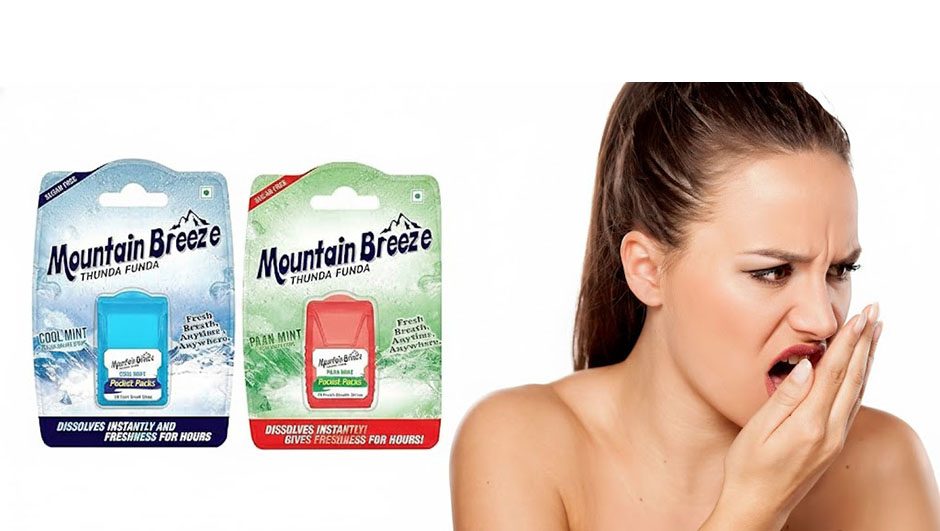

mint mouth freshener

How Breath Strips Support Better Oral Hygiene Between Brush Cycles

Most people experience a noticeable drop in freshness between brushing sessions because daily routines rarely leave room for perfect oral care. Busy schedules, long commutes, back to back office hours, late night meals, and social gatherings stretch the gap between two brushing cycles far more than intended. During this time, bacteria naturally begin to rebuild inside the mouth, feeding on leftover particles and releasing compounds that cause unpleasant odor. This gradual buildup affects both breath quality and overall oral hygiene. Breath strips step in as a quick, portable solution that helps maintain freshness on the move, offering support during those long hours when brushing is not an option.

Why Oral Hygiene Drops Between Brushing Sessions

Natural Bacterial Regrowth

Bacteria inside the mouth begin multiplying within hours after brushing. Warmth, moisture, and microscopic food residues create an ideal environment for this growth. As these bacteria feed and break down organic matter, they release sulfur based compounds that contribute to bad breath. Even with consistent brushing, this regrowth is a natural biological cycle, which means freshness tends to decline as the day progresses.

Impact of Food Particles and pH Changes

Throughout the day, every meal or beverage introduces new particles that linger on the tongue, gums, and tooth surfaces. Foods like onions, garlic, spices, dairy, and coffee release strong odor molecules that stay active long after eating. At the same time, acidic or sugary foods shift the mouth’s pH, creating conditions that encourage bacterial activity. This combination of lingering flavors and changing acidity speeds up odor formation between brushing cycles.

Saliva Reduction During the Day

Saliva plays a key role in maintaining oral hygiene because it naturally cleanses the mouth and neutralizes acids. Yet saliva flow drops when talking continuously, experiencing stress, working long hours, or simply not drinking enough water. Dehydration makes the mouth dry, giving odor causing bacteria a greater chance to thrive. This decline in moisture is one of the biggest reasons freshness fades during the day, especially for people who spend hours in air conditioned environments or forget to hydrate regularly.

What Breath Strips Do Differently From Other Fresheners

Breath strips offer a distinct approach to freshness compared to mints, sprays, or chewing gum. Their design allows them to work quickly, distribute active ingredients evenly, and deliver freshness without sugar or added calories. These qualities make them a practical choice for people who want reliable breath support throughout the day without relying on bulky or slow dissolving alternatives.

Instant Dissolving Technology

Breath strips are made from ultra thin polymer films that dissolve the moment they touch the tongue. As they melt, they release concentrated mint molecules that spread across the entire mouth within seconds. This rapid action helps neutralize odor at the source instead of masking it. The even distribution of ingredients ensures consistent freshness and a smoother experience compared to mints that sit on one spot or gums that take time to activate.

Concentrated Mint Oils and Menthol Benefits

Mint oils and menthol are known for their cooling intensity and natural cleansing effects. When released through a dissolving strip, menthol stimulates sensory receptors, creating an instant cool sensation that refreshes the mouth. This cooling action also helps reduce the presence of odor causing bacteria for a short duration by creating an inhospitable environment for their activity. Concentrated mint reaches the tongue, gums, and inner cheeks quickly, making the freshness feel stronger and more effective than light flavoured alternatives.

Portable and Sugar Free Format

Breath strips come in compact, lightweight packs that fit easily into pockets, wallets, travel kits, or work bags. Their sugar free format is especially important because sugar based fresheners can unintentionally feed bacteria and contribute to plaque or acidity. By eliminating sugar and unnecessary additives, breath strips offer clean freshness without calories, making them suitable for frequent daily use.

How Breath Strips Support Hygiene Between Brush Cycles

Breath strips fill the crucial gap between brushing sessions by reducing odor compounds, supporting saliva flow, and refreshing the mouth after meals or beverages. While they do not replace a proper oral care routine, they enhance daily hygiene by addressing the factors that commonly cause decline in freshness during long hours of work, travel, or social activity.

Reducing Odor Causing Compounds

Odor mainly comes from volatile sulfur compounds released by bacteria as they break down food particles. Breath strips help neutralize these compounds by dispersing mint oils that bind to and reduce their intensity. This creates a cleaner, more neutral breath profile even when brushing is not immediately possible.

Temporary Bacterial Management

Certain components found in mint and menthol have mild antibacterial effects. When delivered through fast dissolving strips, these ingredients can discourage short term bacterial activity and slow the development of odor. While this does not replace brushing or flossing, it provides meaningful freshness support during long periods where bacteria naturally regrow.

Moisture Activation for Improved Saliva Flow

The cooling sensation triggered by menthol helps stimulate saliva glands, an essential factor for maintaining oral cleanliness. More saliva means better natural cleansing, improved pH balance, and reduced dryness. Because dry mouth accelerates odor formation, even a slight boost in moisture helps maintain a cleaner feeling between brush cycles.

Clearing Residual Taste After Meals

Food based odors linger on the tongue and soft tissues, especially after meals containing onion, garlic, spices, dairy, or coffee. Breath strips are effective at cutting through these strong flavors because concentrated mint spreads rapidly inside the mouth and overrides lingering tastes. This helps reset breath quickly and restores freshness before meetings, conversations, or travel.

Support for Dry Mouth Situations

Dry mouth reduces saliva flow and creates ideal conditions for bacteria to thrive. Breath strips offer short term relief by providing moisture through dissolving films and stimulating saliva production through menthol’s cooling effect. This makes them especially useful for people who talk continuously, sit in air conditioned spaces, or do not hydrate enough during the day.

Situations Where Breath Strips Become Especially Effective

Breath strips prove most useful in moments when brushing is not possible but freshness is still essential. Their instant action, portability, and ability to reduce odor compounds make them a reliable companion throughout different parts of the day.

Long Gaps Between Meals or Brushing

Long office hours, field work, travel schedules, or social plans often extend the gap between brushing cycles far longer than intended. During these hours, bacteria naturally multiply, saliva levels drop, and leftover food particles begin to release odor. Breath strips provide a quick reset in such situations by freshening the mouth and reducing odor buildup until brushing becomes possible.

After Coffee, Tea, Smoking, or Strong Foods

Coffee and tea leave behind tannins that cling to the tongue and create a distinct aftertaste. Smoking produces strong compounds that settle on the breath and linger throughout the day. Foods like onions, garlic, and spices release sulfur molecules that remain active long after eating. Breath strips help counter these effects by neutralizing odor molecules and replacing them with a clean mint profile that feels fresh immediately.

During Work Events or Client Meetings

Speaking for long hours, presenting to a room, or participating in meetings makes breath freshness important for confidence and comfort. Since brushing onsite is impractical, breath strips offer a discreet way to maintain clean breath. Their quick dissolving format allows individuals to refresh quietly before conversations, ensuring clearer communication and avoiding self consciousness during professional interactions.

After Workouts or Outdoor Activities

Physical exertion reduces saliva flow due to mouth breathing and dehydration. As moisture levels drop, bacteria thrive, causing breath to become stale quickly. Sweat and heavy breathing also contribute to dryness, amplifying odor production. Breath strips provide relief by stimulating saliva and refreshing the mouth, making them helpful after gym sessions, running, or extended outdoor activities.

Benefits Beyond Fresh Breath

Breath strips offer more than just odor control. Their formulation, portability, and sugar free composition support overall oral hygiene and general well being, making them a smart addition to everyday habits.

Boosting Confidence in Social Interactions

Fresh breath plays an important role in comfortable communication. Whether during presentations, conversations, dates, or group activities, clean breath helps people feel more at ease while speaking. A simple strip can remove the worry of lingering odor, allowing individuals to focus on the interaction rather than the discomfort of unclear breath.

Supporting Daily Oral Care Habits

While breath strips are not a substitute for brushing, flossing, or tongue cleaning, they strengthen the daily hygiene routine by covering the long intervals where oral care is usually neglected. They help maintain a fresher environment inside the mouth, making oral hygiene feel more consistent throughout the day rather than limited to morning and night routines.

Sugar Free Breath Strips and Tooth Health

Sugar based mints or candies may offer short lived freshness but can also feed bacteria, increase acidity, and raise the risk of plaque formation. Sugar free breath strips avoid these issues entirely. By eliminating sugar, they reduce the chances of encouraging bacterial growth or harming enamel, making them a safer everyday choice for those who want freshness without compromising dental health.

How to Use Breath Strips for Maximum Hygiene Support

Breath strips work best when used thoughtfully throughout the day to complement a strong oral care routine. Their quick dissolving format allows them to refresh the mouth instantly, but pairing them with simple daily habits can extend their effectiveness and help maintain better hygiene between brushing cycles.

Use After Meals or Drinks

Using a breath strip right after eating or drinking helps reset the mouth by neutralizing lingering flavors and odor molecules. Meals containing garlic, onion, dairy, coffee, or spices often leave strong tastes on the tongue. A strip works immediately by spreading mint oils across the mouth, reducing odor and refreshing breath before you move on with the day

Combine With Hydration

Drinking enough water is essential for proper saliva flow, and saliva plays a major role in keeping the mouth clean. Pairing breath strips with regular hydration enhances their impact. Sip water, then use a strip to support freshness and moisture, especially during long work hours or travel when dehydration becomes more common.

Follow Consistent Brushing and Flossing

Breath strips function as an add on, not a replacement. Daily brushing, flossing, and tongue cleaning handle the deeper aspects of oral hygiene by removing plaque, food particles, and bacteria. Breath strips extend that clean feeling between brushing cycles, helping maintain freshness but not addressing the root causes of long term oral issues.

Carry Packs for Travel or Work

Keeping a small pack of breath strips in your pocket, office drawer, bag, or car makes it easy to stay fresh whenever needed. They occupy minimal space and work silently in seconds, making them ideal for meetings, commutes, social outings, and moments when brushing is not practical.

When Breath Strips Are Not Enough

Breath strips offer quick freshness, but certain situations require more than surface level odor control. Highlighting these limitations provides clarity and builds trust by guiding readers toward appropriate care when necessary.

Persistent Bad Breath

If bad breath continues despite using breath strips, brushing regularly, and maintaining proper hydration, it may signal underlying dental concerns such as gum inflammation, cavities, or buildup on the tongue. A dental consultation becomes important because professional care can identify issues that breath strips alone cannot address.

Dry Mouth Disorders

Some individuals experience chronic dry mouth caused by medical conditions, medications, or gland function issues. In these cases, saliva production remains low regardless of hydration or fresheners. Breath strips may offer temporary comfort, but persistent dryness requires evaluation and treatment to protect dental health and prevent long term discomfort.

Incomplete Oral Hygiene Routine

Fresh breath depends on a complete oral care routine. Breath strips help with odor control, but they do not remove plaque, clean between teeth, or eliminate deeper bacterial layers. Without brushing, flossing, and tongue cleaning, odor will continue to return quickly. Breath strips work best as an added layer of freshness within a proper hygiene routine.

Why Mountain Breeze Breath Strips Fit Into Daily Oral Care

Mountain Breeze breath strips are designed to align with real daily routines by offering fast, effective freshness in moments when brushing is not possible. Their clean formulation, ease of use, and strong mint profile make them a natural addition to everyday oral hygiene without feeling promotional or forced.

Fast Acting Mint Formula

Mountain Breeze breath strips dissolve instantly and release a concentrated mint burst that helps tackle odor during long gaps between brushes. The quick activation ensures that freshness sets in within seconds, making them reliable for meetings, commutes, social plans, or any situation where immediate breath support is needed.

Lightweight Pocket Friendly Design

The compact design of Mountain Breeze packs makes them practical for individuals who move through busy schedules. Whether tucked into a pocket, wallet, work bag, or travel pouch, the strips stay accessible throughout the day. Their lightweight format ensures convenience without adding bulk, allowing freshness at any moment without effort.

Sugar Free and Clean Ingredient Approach

Choosing a sugar free formula helps maintain oral hygiene by avoiding unnecessary sweetness that could encourage bacterial growth. Mountain Breeze breath strips rely on clean, purposeful ingredients that provide freshness without compromising dental health. This makes them suitable for frequent daily use as part of a broader oral care routine.

Final Takeaway Section

Breath strips play a valuable role in maintaining oral hygiene between brushing cycles by reducing odor compounds, refreshing the mouth, and supporting better moisture levels throughout the day. As busy schedules extend the time between brushing sessions, options like Mountain Breeze breath strips from mountainbreeze.in offer a simple way to stay fresh, confident, and comfortable. With quick action, portable design, and clean ingredients, they help bridge the gap between morning and evening routines, making daily oral care feel more complete and consistent.

Breath Fresheners for Coffee and Tea Lovers

Why Breath Fresheners Matter for Coffee and Tea Lovers

Coffee and tea lovers often notice lingering mouth odors shortly after enjoying their favorite cup. These beverages contain natural compounds that influence how the breath smells, especially when consumed multiple times throughout the day. Tannins, acidity, and residual pigments from coffee or tea interact with the tongue and inner cheeks, creating a stale or bitter smell that remains long after the last sip. This effect has little to do with poor hygiene and everything to do with how these drinks naturally behave inside the mouth. Breath fresheners step in as a fast acting, convenient companion for daily drinkers by helping neutralize these odors and refresh the palate between cups.

How Coffee and Tea Impact Breath

Tannins and Their Aftertaste

Tannins are plant based compounds found in both coffee and tea. They cling easily to the tongue and soft tissues, leaving behind a long lasting aftertaste that often feels bitter or slightly sour. Once tannins settle on the mouth’s surfaces, they continue releasing a stale smell that contributes to what many recognize as classic coffee or tea breath. Because these molecules bind tightly, the odor they create does not fade quickly on its own.

Acidity and pH Imbalance

Coffee and many types of tea are naturally acidic. When consumed, they temporarily lower the mouth’s pH level. A more acidic environment supports faster bacterial activity, which leads to the release of volatile compounds responsible for unpleasant breath. This pH shift becomes stronger for people who drink several cups throughout the day, making the odor more persistent.

Dehydration and Reduced Saliva Flow

Both coffee and tea act as mild diuretics, meaning they contribute to dehydration when consumed in excess. They also slow down saliva production, which is essential for keeping the mouth naturally clean. Less saliva means fewer cleansing cycles, more bacterial buildup, and a greater chance of noticeable odor. This dryness is one of the main reasons breath feels heavier or stale after a morning cup or an afternoon caffeine break.

Staining Compounds and Residue Build Up

Coffee and tea contain dark pigments that can cling to the tongue, teeth, and the lining of the mouth. This residue traps odor particles and gives bacteria more material to break down, intensifying the smell. These staining compounds also make the mouth feel coated, contributing to the lingering aftertaste that accompanies frequent coffee or tea consumption.

Why Regular Brushing Is Not Always Enough

Practical Limitations During Work or Travel

Coffee and tea are often part of a daily routine, from morning brews to mid day refills. Most people enjoy several cups throughout the day while working, commuting, or traveling, but do not have the opportunity to brush after every serving. Because odors form almost immediately after drinking these beverages, relying on brushing alone becomes unrealistic. This gap between consumption and oral care is what allows lingering coffee or tea breath to develop and stay noticeable.

Temporary Masking vs Actual Odor Neutralization

Gum, candies, or basic mints may give a short burst of sweetness or flavor, but they often mask odors rather than neutralize them. Since coffee and tea odors come from tannins, acidity, and bacterial interactions, masking agents do little to address the underlying compounds. As the flavor fades, the original odor returns quickly. Without targeting volatile sulfur compounds and bitter residues, these surface level solutions fall short.

Coffee Breath vs General Bad Breath

Coffee breath has a distinctive profile that sets it apart from regular morning or daytime bad breath. It often carries a bitter, dry, slightly metallic note caused by tannins and acidic compounds interacting with bacteria. This combination creates a sulfur like smell that tends to linger more stubbornly. Because the odor arises from multiple sources at once, it requires targeted freshness rather than general deodorizing.

How Breath Fresheners Help Coffee and Tea Lovers

Neutralizing Odor Causing Molecules

Breath fresheners with mint oils, menthol, or essential extracts help reduce volatile sulfur compounds, which are the primary contributors to strong odors. These active ingredients work by coating the tongue and dissolving odor molecules, creating a cleaner and more balanced breath profile.

Refreshing the Palate After Bitter or Strong Flavors

Coffee and tea leave behind a harsh, bitter aftertaste that clings to the palate. Breath fresheners cut through these lingering notes, replacing them with a clean, cool freshness. This reset is especially useful for people moving from one cup to another or transitioning into meetings after a strong brew.

Supporting Saliva Activity

Mint based fresheners naturally stimulate saliva flow, which helps the mouth cleanse itself more effectively. Increased moisture dilutes odor causing compounds and washes away remnants of coffee or tea residue. This natural support makes breath feel lighter and fresher between cups.

Offering Quick Freshness Between Meetings or Breaks

Breath fresheners deliver instant freshness, making them convenient for office hours, video calls, client interactions, and short breaks. They work discreetly and quickly, ideal for people who rely on coffee or tea to stay energized but want to avoid carrying that odor into conversations.

Sugar Free Fresheners for Daily Use

Frequent coffee or tea drinkers already face acidity and potential dryness, meaning sugary options are not ideal. Sugar free breath fresheners help maintain oral health without feeding bacteria or increasing acidity. They offer clean, reliable freshness suitable for multiple uses throughout the day.

Which Breath Fresheners Work Best for Coffee and Tea Drinkers

Mint Mouth Freshener

Mint based fresheners are one of the most effective choices for coffee and tea drinkers because mint naturally cuts through bitterness and neutralizes strong odors. Its cooling effect helps mask the lingering aftertaste caused by tannins and acidic residues. Mint also stimulates saliva flow, which supports the mouth’s natural cleansing process. This makes a mint mouth freshener a reliable option for quick, powerful freshness and an ideal link destination for your root domain.

Instant Mouth Freshener Strips

Instant mouth freshener strips dissolve rapidly on the tongue, making them perfect for people who drink coffee or tea throughout busy workdays. Their ultra fast activation tackles odor at the source and replaces it with a clean, refreshed feeling in seconds. Because they are lightweight, pocket friendly, and discreet, they fit easily into daily routines and are especially convenient for travel, office use, or quick breaks between meetings. These strips directly address the freshness challenges faced by daily beverage consumers.

Natural Ingredient Based Fresheners

Some coffee and tea drinkers prefer natural alternatives. Ingredients like cardamom, clove, fennel, or cinnamon offer mild antibacterial properties and help neutralize lingering flavors. These natural options provide gentle freshness and pair well with herbal tea drinkers or those who prefer a subtle, spice based aroma rather than a sharp mint profile.

Situations Where Fresheners Become Especially Helpful

Breath fresheners play an essential role throughout the day, especially for those who consume coffee or tea regularly. They offer immediate support in moments where brushing is not possible but freshness is important.

Before or after client meetings when confidence and clear communication matter

During long work hours with repeated coffee breaks that leave behind bitterness and dryness

While commuting or traveling where brushing isn’t practical yet freshness is needed

Before social interactions, ensuring the lingering smell of coffee or strong tea doesn’t interfere with comfort

After consuming strong brews like espresso, cold brew, or masala chai, which tend to leave deeper, more persistent odors

Additional Tips to Reduce Coffee and Tea Breath

Small, consistent adjustments can noticeably reduce the lingering odor caused by coffee and tea. These habits help balance oral pH, support saliva activity, and keep the mouth feeling fresh throughout the day.

Drink water between sips to balance pH and wash away tannins that cling to the tongue

Clean the tongue daily since most odor causing compounds collect on its surface

Avoid sugary additives like flavored syrups or sweetened creamers because they feed bacteria and intensify odor

Space out cups to give the mouth time to rehydrate and recover from acidity

Use fresheners after each cup to regain confidence, especially during work hours or social interactions

Why Mountain Breeze Fresheners Fit Perfectly Into This Routine

Mountain Breeze fresheners naturally complement the daily routine of coffee and tea drinkers by offering clean, fast freshness without disrupting oral hygiene. Their lightweight, convenient format makes them easy to use anytime strong flavors linger.

Fast acting mint formula that cuts through bitterness and instantly refreshes the palate

Portable pack ideal for office hours, travel plans, and café visits

Sugar free approach that supports oral health and avoids feeding odor causing bacteria

Helps neutralize stubborn aftertastes from espresso, masala chai, cold brew, and other strong beverages

Final Takeaway

Coffee and tea create persistent odors because of tannins, acidity, residue build up, and reduced saliva flow. Breath fresheners play a key role in countering these effects by neutralizing odor molecules, refreshing the palate, and restoring confidence throughout the day. With consistent use, they make daily coffee or tea enjoyment more comfortable, helping you stay fresh whether at work, in meetings, or on the move.

morning breath

Morning Breath Myths and Facts Everyone Ought to Know

Morning breath is something almost everyone deals with after waking up, yet it is often misunderstood. It develops naturally during sleep when the mouth becomes less active, saliva flow slows, and bacteria begin to break down tiny food particles left behind from the previous day. These combined biological processes release odor molecules that create the familiar stale smell many notice in the morning. Despite the discomfort it causes, morning breath is usually not a reflection of poor hygiene. It is a normal, manageable occurrence, and understanding its causes helps remove the unnecessary stigma or misconceptions surrounding it.

What Causes Morning Breath

Overnight Saliva Drop

Saliva plays a key role in cleansing the mouth throughout the day. It washes away food particles, balances pH levels, and slows bacterial growth. During sleep, however, saliva production drops significantly. With less moisture available, the mouth becomes dry, giving bacteria more freedom to multiply. This dryness accelerates the release of odor causing compounds, making morning breath more noticeable

Bacterial Breakdown During Sleep

Even after brushing at night, some microscopic food particles remain on the tongue, gums, and inner cheeks. As the body rests, bacteria continue to break down these remnants. In the absence of active saliva flow, sulfur based compounds accumulate and create the distinct smell associated with morning breath. This process is natural and happens to everyone regardless of how well they clean their teeth

Mouth Breathing While Sleeping

Sleeping with the mouth open adds an extra layer of dryness to the mouth. Whether due to congestion, snoring, or sleep habits, this constant airflow reduces moisture levels even further. A dry mouth allows bacteria to thrive and produces stronger odors by morning. Individuals who breathe through the mouth at night often notice more intense morning breath as a result

Diet, Hydration, and Lifestyle Factors

What you eat or drink before bed can influence how your breath smells the next morning. Foods like onions, garlic, spices, and dairy leave strong odor molecules that linger on the tongue. Dehydration reduces saliva production, while late night snacking gives bacteria more material to break down during sleep. These factors combine to enhance the intensity of morning breath and make it feel harder to manage

Popular Myths About Morning Breath

Myth 1: Morning Breath Only Happens to People With Poor Oral Hygiene

Even individuals with strong brushing and flossing habits experience morning breath. It is a natural result of the body’s reduced nighttime saliva flow, not an indicator of neglect

Myth 2: Brushing at Night Eliminates Morning Breath Completely

Brushing helps reduce bacteria and food particles, but it cannot stop natural processes from occurring while you sleep. Bacteria continue to break down what remains, which means some odor is inevitable by morning

Myth 3: Mouthwash Before Bed Prevents Morning Odor

Mouthwash can provide short term freshness, but its effects fade within a few hours. As the mouth dries out overnight, bacteria regain activity, and odor begins to form again despite using mouthwash before bed

Myth 4: Morning Breath Means Something Is Wrong With the Teeth

Routine morning breath is common and not typically linked to dental problems. However, persistent or unusually strong odor could indicate gum issues or infection, which would require professional attention

Myth 5: Only Certain People Have Morning Breath

Morning breath is universal because it stems from natural biological functions that occur during sleep. Everyone experiences a drop in saliva flow and increased bacterial activity overnight, making morning odor a shared human experience

Facts Everyone Ought to Know

Morning Breath Is a Natural Process, Not a Mistake

Morning breath forms because the body slows saliva production during sleep. With less moisture available to cleanse the mouth, bacteria become more active and release sulfur based compounds that create odor. This is a normal biological response rather than a sign of something being wrong

Tongue Cleaning Makes a Noticeable Difference

A large portion of odor causing bacteria live on the tongue’s surface, especially toward the back where debris easily settles. Cleaning the tongue helps remove these layers of buildup, reducing the intensity of morning breath and making the mouth feel fresher overall

Hydration Plays a Key Role in Reducing Morning Odor

Saliva acts as the mouth’s natural cleansing system. Staying hydrated supports healthier saliva flow, which helps wash away odor molecules and maintain a more balanced environment. When hydration drops, dryness increases and morning breath becomes stronger

Food Choices at Night Directly Influence Next Morning’s Breath

Certain foods leave behind powerful odor compounds that stay active for hours. Onions, garlic, spices, dairy, alcohol, and sugary items tend to linger on the tongue and soften the mouth’s pH balance. Eating these late at night gives bacteria more material to break down while you sleep, leading to more noticeable morning breath

Using a Mint Mouth Freshener Helps Reset Breath After Waking Up

A mint mouth freshener can provide quick relief from morning odor by neutralizing sulfur compounds and refreshing the tongue. Mint based options offer an instant cooling effect that wakes up the mouth and prepares it for brushing. Products from brands like Mountain Breeze at mountainbreeze.in make this step even easier as part of a simple, confidence boosting morning routine

How an Instant Mouth Freshener Supports Morning Freshness

Quick Action Right After Waking Up

An instant mouth freshener dissolves quickly and spreads active ingredients across the mouth, cutting through stale morning odors before you even reach for your toothbrush. This fast activation helps neutralize lingering compounds and offers immediate freshness

Helps Manage Dryness After a Full Night’s Sleep

Sleep naturally reduces saliva flow, leaving the mouth dry by morning. Instant fresheners help stimulate moisture and create a cooling sensation that makes the mouth feel less dry. This boost in moisture also limits bacterial activity during the first hour of the day

Useful for People Who Need Immediate Freshness Early in the Day

Some mornings begin with early meetings, workouts, commutes, or travel plans. In such situations, there’s little time for a full oral care routine right away. An instant mouth freshener helps you feel prepared and comfortable as you step into these early commitments

Complements Brushing, Not a Replacement

While instant fresheners offer quick relief, they do not replace brushing, flossing, or tongue cleaning. Instead, they support a stronger oral hygiene routine by bridging the gap between waking up and completing your morning care. This makes them a helpful add on rather than a standalone solution

When Morning Breath Might Signal a Deeper Issue

Morning breath is usually harmless, but in some cases it can point to underlying concerns that need attention. Understanding when odor goes beyond the normal overnight process helps ensure that oral health issues are not overlooked

Gum Disease or Infection

Persistent morning breath accompanied by bleeding gums, swelling, or discomfort may indicate gum inflammation or infection. These conditions allow bacteria to accumulate beneath the gumline, producing strong odors that do not improve with regular brushing or fresheners

Untreated Cavities

Cavities trap food particles and allow bacteria to grow inside damaged areas of the tooth. This buildup often results in consistent bad breath, especially in the morning. If odor persists despite good hygiene, a dental checkup is important to identify hidden decay

Sinus or Tonsil Issues

Sinus infections, allergies, or post nasal drip can introduce mucus into the throat and mouth, creating a strong, stale odor upon waking. Tonsil stones can also trap bacteria and emit noticeable smell. These issues require medical evaluation rather than oral hygiene adjustments alone

Chronic Dry Mouth Conditions

Some individuals experience prolonged dryness due to medication, dehydration, or reduced salivary gland function. When dry mouth persists through day and night, morning breath tends to become more severe. Chronic dryness should be assessed by a healthcare professional to prevent long term complications

If morning breath remains strong even after improving oral care habits, hydration, and diet, a professional evaluation becomes important. Dental or medical guidance can identify deeper causes and help restore freshness more effectively

Practical Tips to Reduce Morning Breath

Simple adjustments in daily and nighttime habits can noticeably improve morning freshness. These small steps support healthier saliva flow, reduce bacterial buildup, and reset the mouth before sleep

Nighttime brushing and flossing to remove debris before bacteria can break it down overnight

Tongue cleaning to eliminate odor causing bacteria that settle on the tongue’s surface

Hydration before bed to support natural saliva activity while you sleep

Avoiding late night foods that cause odor, especially onions, garlic, dairy, and heavy spices

Keeping water accessible in the morning to jumpstart moisture and wash away stale compounds

Using a mint mouth freshener or an instant mouth freshener for immediate freshness when waking up or before brushing

Final Takeaway

Morning breath is a natural outcome of the body’s overnight processes and happens to everyone. It becomes manageable with simple hygiene habits, proper hydration, mindful nighttime eating, and quick freshness tools like mint or instant fresheners. With the right steps, you can start each morning feeling more comfortable, confident, and prepared for the day ahead.